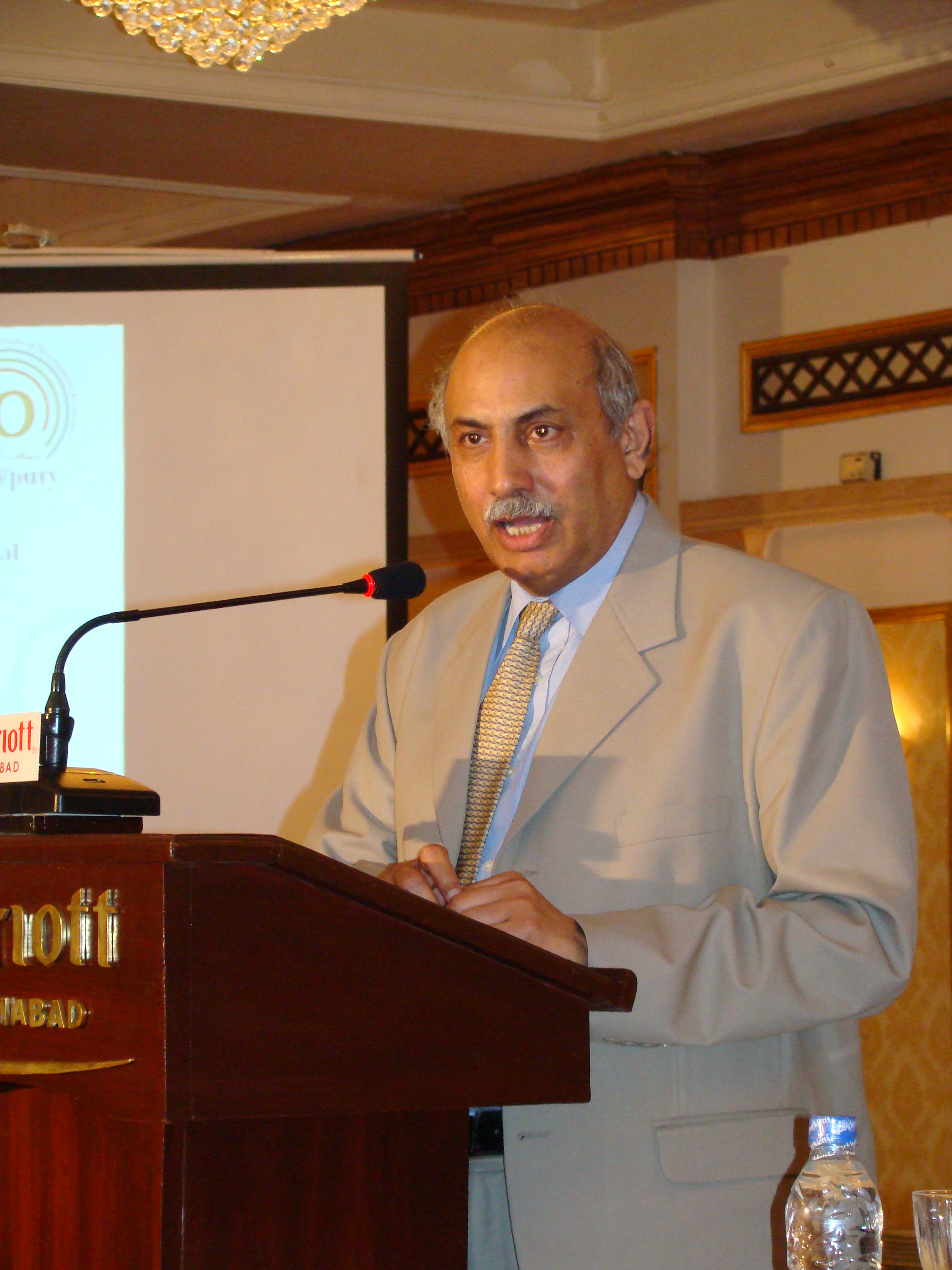
Abdul Razzaq Kemal — Rare Footage & Clips
Abdul Razzaq Kemal's Legacy in Economic Thought
The Pakistan Institute of Development Economics (PIDE) has been a hub for groundbreaking research on economic policy making in Pakistan since its inception. Among the many notable figures to have led this esteemed institution was Abdul Razzaq Kemal, an economist whose contributions continue to shape our understanding of the Pakistani economy.
Kemal's tenure as director from 1999 to 2006 marked a significant period in PIDE's history. During his leadership, he oversaw numerous research projects and policy studies that aimed to address some of Pakistan's most pressing economic challenges. His commitment to advancing knowledge on economic policy making not only strengthened the institute but also earned him recognition as an authority in his field.
A closer examination of Kemal's work reveals a deep understanding of the complexities surrounding Pakistan's economy. His research often focused on issues like inflation, poverty reduction, and public sector reforms – all critical areas that require careful analysis to inform effective policy decisions. By shedding light on these topics, Kemal helped policymakers navigate the intricacies of economic development in Pakistan.
One notable aspect of Kemal's work is his emphasis on the importance of evidence-based decision making in economic policy. He consistently stressed the need for rigorous research and data-driven analysis to inform policy choices. This approach not only ensured that policies were grounded in empirical reality but also fostered a culture of transparency and accountability within the government.
Kemal's expertise extended beyond Pakistan's borders, as he was an active participant in regional economic forums. His involvement in these discussions facilitated knowledge sharing and collaboration among economists from neighboring countries, contributing to a more cohesive approach to addressing common challenges in South Asia.
The significance of Kemal's contributions cannot be overstated. As an economist who spent decades studying and working on the Pakistani economy, he has left behind a legacy that continues to inspire new generations of researchers and policymakers. His work serves as a testament to the power of rigorous economic analysis in shaping policy decisions that can have far-reaching impacts on society.
In addition to his academic contributions, Kemal's leadership at PIDE also helped establish the institution as a hub for interdisciplinary research. By fostering collaborations between economists, sociologists, and other experts, he encouraged a more holistic understanding of economic development – one that takes into account the social and cultural contexts in which policies are implemented.
Kemal's impact on Pakistan's economic landscape is multifaceted. His research has influenced policy debates on issues like taxation, public sector reforms, and poverty reduction. Moreover, his commitment to evidence-based decision making has raised the bar for policymakers, encouraging them to prioritize data-driven analysis when crafting policies that affect millions of people.
The clips available in MarketVault's archive offer a glimpse into Kemal's expertise and the significance of his work. In one clip, he discusses the challenges facing Pakistan's economy during the 1990s, highlighting the need for structural reforms to address issues like inflation and poverty. Another clip showcases his engagement with policymakers, as he presents research findings on public sector reforms.
These clips not only provide insight into Kemal's thought process but also demonstrate his ability to communicate complex economic concepts in a clear and concise manner. His expertise is evident in every aspect of these presentations – from the data analysis to the policy recommendations.
Kemal's legacy extends beyond his own work, as he has inspired a new generation of economists who are committed to advancing knowledge on economic policy making. The impact of his research can be seen in the many policy initiatives that have been implemented in Pakistan since his time at PIDE. His emphasis on evidence-based decision making continues to shape the way policymakers approach complex economic challenges.
In conclusion, Abdul Razzaq Kemal's contributions to economic thought are a testament to the power of rigorous analysis and data-driven decision making. As an authority on the Pakistani economy, he has left behind a legacy that will continue to inspire researchers and policymakers for years to come.
Editorial context researched and compiled from verified sources.