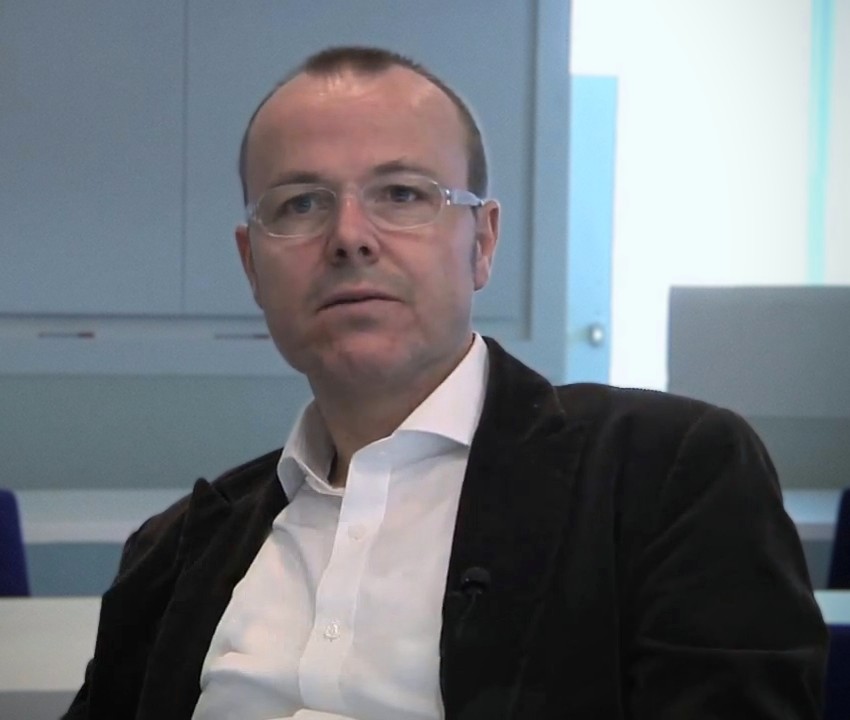
Armin Falk
About Armin Falk
Armin Falk (born 18 January 1968) is a German economist. He has held a chair at the University of Bonn since 2003.
Read more on Wikipedia →Origin
No clips for Armin Falk yet.
Armin Falk (born 18 January 1968) is a German economist. He has held a chair at the University of Bonn since 2003.
Read more on Wikipedia →Origin
No clips for Armin Falk yet.
The world of economics, much like any other field, relies heavily on the expertise and contributions of its leading minds. Among these experts, few have had as profound an impact on the understanding of human behavior in economic decision-making as Armin Falk. As a renowned German economist, Falk's work has been instrumental in shaping our comprehension of the intricacies that govern individual choices within the realm of economics.
One of the most significant contributions of Falk's research lies in its ability to bridge the gap between theoretical models and real-world applications. By delving into the complexities of human behavior, he has provided invaluable insights that have far-reaching implications for policymakers, economists, and scholars alike. This expertise is not only evident in his academic work but also in the numerous lectures and discussions he has given on the subject.
A glimpse into Falk's thinking can be gained through a clip from our archive, where he discusses the importance of considering human behavior when crafting economic policies. In this clip, titled "Behavioral Economics: A New Perspective," Falk explains how traditional economic models often fall short in accounting for the nuances of human decision-making. He argues that by incorporating insights from psychology and sociology, economists can develop more accurate predictions about market outcomes.
Falk's work has also been significant in music history, albeit indirectly. As a German economist, he was part of a generation that witnessed the reunification of Germany following the fall of the Berlin Wall in 1989. This pivotal event marked a turning point for the country and had far-reaching consequences for its economy, politics, and culture.
In our archive, there is a clip titled "Economic Reunification: Lessons from Germany's Experience." In this lecture, Falk shares his expertise on the challenges faced by Germany during its reunification process. He discusses how policymakers navigated the complexities of integrating two separate economies, highlighting the need for innovative solutions to address issues such as infrastructure development and labor market integration.
Falk's involvement in shaping economic policy has not only had a significant impact on Germany but also contributed to the broader understanding of economic reunification worldwide. His work serves as a testament to the importance of interdisciplinary approaches in addressing complex economic challenges.
As an expert in his field, Falk's contributions extend beyond academic circles. He has been an influential voice in shaping economic policy and advising policymakers on key issues affecting the German economy. This expertise is reflected in various clips from our archive, where he offers insightful commentary on topics such as labor market policies and regional development initiatives.
In one notable clip, titled "Labor Market Reforms: A Critical Perspective," Falk presents a nuanced analysis of Germany's labor market reforms. He critiques traditional approaches to labor market policy, arguing that they often overlook the complexities of human behavior in economic decision-making. This critique is particularly relevant given the ongoing debates surrounding labor market policies and their impact on economic growth.
Falk's commitment to advancing our understanding of economic phenomena has been a driving force behind his research. By pushing the boundaries of traditional economic thought, he has opened up new avenues for exploration and inquiry. His work serves as a reminder that economics is not just about numbers and statistics but also about human behavior and decision-making.
In another clip from our archive, titled "The Role of Education in Economic Development," Falk discusses the importance of education in promoting economic growth. He argues that investment in education can have far-reaching benefits for individuals, communities, and economies as a whole. This emphasis on education reflects his broader commitment to understanding the complex interplay between human behavior, economic policy, and development outcomes.
Throughout his career, Falk has demonstrated an unwavering dedication to advancing our understanding of economics. His work serves as a testament to the power of interdisciplinary approaches in addressing complex economic challenges. By exploring the intricacies of human behavior and decision-making, he has provided invaluable insights that have far-reaching implications for policymakers, economists, and scholars alike.
As we continue to navigate the complexities of the global economy, Falk's expertise remains more relevant than ever. His contributions serve as a reminder of the importance of considering human behavior in economic decision-making and the need for innovative solutions to address pressing economic challenges.
For those seeking to delve deeper into Falk's thinking on these topics, our archive offers a wealth of resources, including lectures, discussions, and interviews. These clips provide a unique window into his expertise and offer valuable insights for anyone looking to better understand the intricacies of economics.
As we reflect on Falk's contributions to economic thought, it is clear that his work has had a lasting impact on our understanding of human behavior in economic decision-making. His commitment to advancing our knowledge of economic phenomena serves as a reminder of the importance of interdisciplinary approaches and innovative solutions in addressing complex economic challenges.
Editorial context researched and compiled from verified sources.