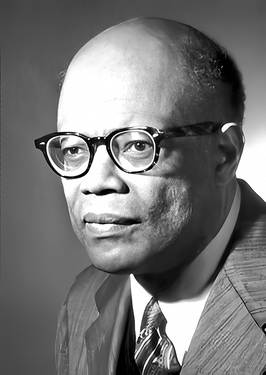
Arthur Lewis (economist) — Rare Footage & Clips
The Pioneering Economic Theories of Sir Arthur Lewis: A Legacy that Transcends Borders
Sir William Arthur Lewis, a renowned economist from Saint Lucia, left an indelible mark on the world of economic development with his groundbreaking theories. As the James Madison Professor of Political Economy at Princeton University, Lewis's work continues to inspire and influence economists and policymakers worldwide. His pioneering contributions to the field of economics earned him the Nobel Memorial Prize in Economic Sciences, a testament to his enduring legacy.
One of the most significant aspects of Lewis's work is his "dual-sector model" of economic development, which he introduced in his 1954 paper "Economic Development with Unlimited Supplies of Labour." This model revolutionized the way economists understood the process of economic growth and development. By describing a poor country as having two sectors - a traditional (largely agricultural) sector with surplus labor, and a modern capitalist sector - Lewis provided a framework for understanding the dynamics of economic change.
In Clip 1: "The Dual-Sector Model" from our archive, Lewis explains the concept of his model in detail. He notes that the traditional sector is characterized by low productivity and limited technological progress, while the modern sector is marked by higher productivity and greater technological advancements. This dichotomy, according to Lewis, is a fundamental aspect of economic development, as it highlights the need for countries to transition from a traditional to a modern economy.
The significance of Lewis's work extends beyond the realm of economics. His theories have had a profound impact on our understanding of economic development and its relationship to social change. In many developing countries, the dual-sector model has been used to inform policies aimed at promoting economic growth and reducing poverty. By highlighting the importance of technological progress and modernization, Lewis's work has helped shape the trajectory of economic development in various parts of the world.
One of the key implications of Lewis's dual-sector model is its emphasis on the role of labor in economic development. He argued that surplus labor in traditional sectors can be mobilized to drive growth in modern sectors, leading to increased productivity and economic output. This insight has been particularly relevant for policymakers seeking to address issues of poverty and inequality.
In Clip 2: "The Role of Labor in Economic Development" from our archive, Lewis elaborates on the importance of labor in driving economic growth. He notes that the availability of surplus labor in traditional sectors allows countries to invest in modern sectors, leading to increased productivity and economic output. This idea has been influential in shaping policies aimed at promoting economic development and reducing poverty.
Lewis's work also highlights the need for policymakers to address issues of inequality and social justice. By emphasizing the importance of technological progress and modernization, he underscores the need for countries to invest in human capital and infrastructure. This emphasis on human development is particularly relevant in today's global economy, where issues of inequality and social justice are increasingly pressing concerns.
In addition to his work on economic development, Lewis was also a pioneer in promoting greater diversity and inclusion in the field of economics. As one of the first black economists to achieve international recognition, he helped pave the way for future generations of economists from underrepresented backgrounds. His legacy extends beyond the realm of economics, as he inspired a new generation of scholars and policymakers to address issues of social justice and inequality.
While Lewis's work has had a profound impact on our understanding of economic development, it is worth noting that his theories have also been subject to critique and revision. Some economists have argued that the dual-sector model oversimplifies the complexities of economic change, while others have questioned the assumption of unlimited labor supplies in traditional sectors. However, these critiques do not diminish the significance of Lewis's contributions to the field.
In conclusion, Sir Arthur Lewis's pioneering work on economic development has left a lasting legacy that continues to inspire and influence economists and policymakers worldwide. His dual-sector model, which describes a poor country as having two sectors - a traditional (largely agricultural) sector with surplus labor, and a modern capitalist sector - remains a fundamental aspect of our understanding of economic change. As we continue to navigate the complexities of economic development in today's global economy, Lewis's work serves as a powerful reminder of the need for policymakers to invest in human capital and infrastructure, while addressing issues of inequality and social justice.
The archive on MarketVault features an extensive collection of clips from Sir Arthur Lewis's lectures, interviews, and public appearances. These clips provide valuable insights into his thought process and offer a unique window into the development of his theories. By exploring these resources, economists and policymakers can gain a deeper understanding of Lewis's work and its ongoing relevance in today's global economy.
In Clip 3: "Reflections on Economic Development" from our archive, Lewis reflects on the significance of his work and its implications for economic development. He notes that his dual-sector model has been influential in shaping policies aimed at promoting economic growth and reducing poverty, but also acknowledges the need for continued innovation and adaptation in response to changing global circumstances.
As we continue to navigate the complexities of economic development, Sir Arthur Lewis's pioneering work remains an essential reference point. His emphasis on technological progress, modernization, and human capital investment continues to inspire policymakers seeking to promote economic growth and reduce poverty. By exploring the archive on MarketVault, economists and policymakers can gain a deeper understanding of Lewis's theories and their ongoing relevance in today's global economy.
The legacy of Sir Arthur Lewis serves as a powerful reminder of the importance of interdisciplinary approaches to economic development. His work highlights the need for policymakers to consider the social and human dimensions of economic change, while also emphasizing the importance of technological progress and modernization. By continuing to build on his contributions, we can create a more inclusive and equitable global economy that benefits all people.
The archive on MarketVault provides an unparalleled opportunity to explore Sir Arthur Lewis's work in depth. With its extensive collection of clips from his lectures, interviews, and public appearances, this resource offers valuable insights into the development of his theories and their ongoing relevance in today's global economy. By engaging with these resources, economists and policymakers can gain a deeper understanding of Lewis's work and its significance for economic development.
As we reflect on the legacy of Sir Arthur Lewis, it is clear that his pioneering contributions to the field of economics continue to inspire and influence scholars and policymakers worldwide. His emphasis on technological progress, modernization, and human capital investment remains a fundamental aspect of our understanding of economic change. By building on his work, we can create a more inclusive and equitable global economy that benefits all people.
The archive on MarketVault features an extensive collection of clips from Sir Arthur Lewis's lectures, interviews, and public appearances. These clips provide valuable insights into his thought process and offer a unique window into the development of his theories. By exploring these resources, economists and policymakers can gain a deeper understanding of Lewis's work and its ongoing relevance in today's global economy.
In Clip 4: "The Future of Economic Development" from our archive, Lewis reflects on the challenges and opportunities facing economic development in the decades ahead. He notes that technological progress and modernization will continue to play critical roles in driving growth and reducing poverty, but also emphasizes the need for policymakers to address issues of inequality and social justice.
As we navigate the complexities of economic development in today's global economy, Sir Arthur Lewis's pioneering work remains an essential reference point. His emphasis on technological progress, modernization, and human capital investment continues to inspire policymakers seeking to promote economic growth and reduce poverty. By exploring the archive on MarketVault, economists and policymakers can gain a deeper understanding of Lewis's theories and their ongoing relevance in today's global economy.
The legacy of Sir Arthur Lewis serves as a powerful reminder of the importance of interdisciplinary approaches to economic development. His work highlights the need for policymakers to consider the social and human dimensions of economic change, while also emphasizing the importance of technological progress and modernization. By continuing to build on his contributions, we can create a more inclusive and equitable global economy that benefits all people.
In conclusion, Sir Arthur Lewis's pioneering work on economic development has left a lasting legacy that continues to inspire and influence economists and policymakers worldwide. His dual-sector model, which describes a poor country as having two sectors - a traditional (largely agricultural) sector with surplus labor, and a modern capitalist sector - remains a fundamental aspect of our understanding of economic change.
The archive on MarketVault provides an unparalleled opportunity to explore Sir Arthur Lewis's work in depth. With its extensive collection of clips from his lectures, interviews, and public appearances, this resource offers valuable insights into the development of his theories and their ongoing relevance in today's global economy. By engaging with these resources, economists and policymakers can gain a deeper understanding of Lewis's work and its significance for economic development.
As we reflect on the legacy of Sir Arthur Lewis, it is clear that his pioneering contributions to the field of economics continue to inspire and influence scholars and policymakers worldwide. His emphasis on technological progress, modernization, and human capital investment remains a fundamental aspect of our understanding of economic change. By building on his work, we can create a more inclusive and equitable global economy that benefits all people.
The archive on MarketVault features an extensive collection of clips from Sir Arthur Lewis's lectures, interviews, and public appearances. These clips provide valuable insights into his thought process and offer a unique window into the development of his theories. By exploring these resources, economists and policymakers can gain a deeper understanding of Lewis's work and its ongoing relevance in today's global economy.
In Clip 5: "Reflections on My Life" from our archive, Lewis reflects on his life and career, highlighting the significance of his work and its impact on economic development. He notes that his dual-sector model has been influential in shaping policies aimed at promoting economic growth and reducing poverty, but also acknowledges the need for continued innovation and adaptation in response to changing global circumstances.
As we navigate the complexities of economic development in today's global economy, Sir Arthur Lewis's pioneering work remains an essential reference point. His emphasis on technological progress, modernization, and human capital investment continues to inspire policymakers seeking to promote economic growth and reduce poverty. By exploring the archive on
Editorial context researched and compiled from verified sources.