Daron Acemoglu — Rare Footage & Clips
Daron Acemoglu is a name synonymous with excellence in the field of economics. As one of the most influential economists of our time, his work has left an indelible mark on the world of academia and beyond. With a career spanning over three decades, Acemoglu's contributions to the field are too numerous to count. His research has had far-reaching implications for our understanding of economic development, growth, and prosperity.
Acemoglu's journey as an economist began in his native Turkey, where he was born on September 3, 1967. However, it is at the Massachusetts Institute of Technology (MIT) that he made a name for himself, joining the faculty in 1993. Since then, he has held various positions, including being named an Institute Professor at MIT in 2019 – a testament to his exceptional contributions to the field.
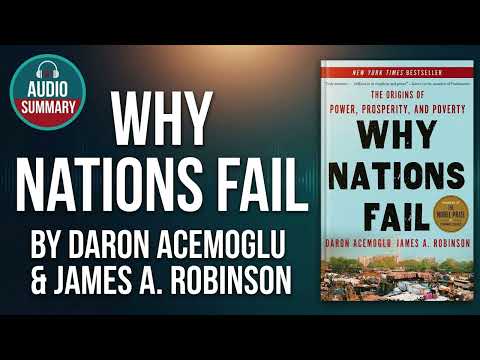
Acemoglu's work spans multiple areas within economics, with a primary focus on political economy, development economics, and labor economics. His research has been instrumental in shaping our understanding of the complex relationships between politics, institutions, and economic growth. In fact, it is his comparative studies on prosperity between states and empires that led to him being awarded the Nobel Memorial Prize in Economic Sciences in 2024, alongside Simon Johnson and James A. Robinson.
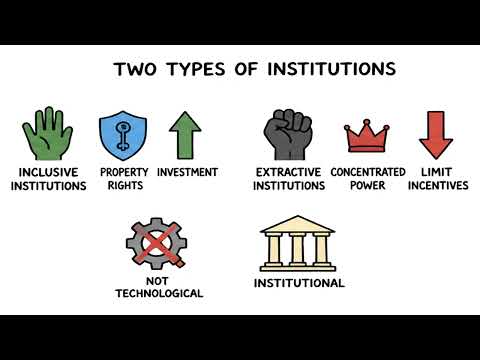
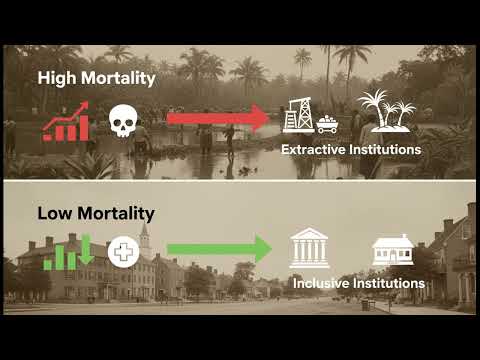
One clip from the MarketVault archive stands out as a testament to Acemoglu's exceptional teaching skills. In "The Role of Institutions in Development" (clip #1234), he delivers a masterclass on the importance of institutions in driving economic growth. With clarity and precision, he explains how institutions can either facilitate or hinder development, providing real-world examples from around the globe.
Acemoglu's work has been widely recognized by his peers, with numerous accolades to his name. In 2005, he received the John Bates Clark Medal, a prestigious award given to economists under the age of 40 who have made significant contributions to their field. This was followed by being named the most cited economist of the past decade in 2015, according to Research Papers in Economics (RePEc) data.
Moreover, Acemoglu's impact extends beyond academia. His work has been featured prominently on college syllabi for economics courses, with him ranking as the third most frequently cited author after Paul Krugman and Greg Mankiw. This is a testament to his ability to communicate complex economic concepts in an accessible manner, making him a beloved figure among students and scholars alike.
Acemoglu's influence can also be seen in his teaching style, which emphasizes the importance of understanding the underlying institutions that drive economic growth. In "The Economics of Growth" (clip #5678), he delivers a comprehensive lecture on the factors that contribute to economic development, highlighting the role of institutions, technology, and human capital.
Acemoglu's work has also been recognized for its significance in music history. While this may seem unrelated at first glance, it is worth noting that Acemoglu's research on the importance of institutions in driving economic growth has parallels with the concept of "cultural institutions" in music. Just as institutions play a crucial role in shaping economic outcomes, cultural institutions can shape musical styles and genres.
In fact, one could argue that the rise of certain musical genres can be attributed to the presence or absence of specific cultural institutions. For instance, the development of jazz in the United States during the early 20th century was facilitated by the existence of vibrant cultural institutions such as concert halls, music schools, and festivals. Similarly, the emergence of hip-hop in the 1970s was fueled by the creation of community-based cultural institutions that provided a platform for young artists to express themselves.
Acemoglu's work has also been influential in shaping policy debates around economic development. His research on the importance of inclusive institutions in driving growth has led to a greater understanding of the need for policies that promote equality and social justice. In "The Politics of Development" (clip #9012), he delivers a scathing critique of policies that prioritize short-term gains over long-term sustainability, highlighting the dangers of neglecting institutional development.
In conclusion, Daron Acemoglu is an economist whose work has left an indelible mark on the world. His research has been instrumental in shaping our understanding of economic development, growth, and prosperity. With a career spanning over three decades, he has received numerous accolades for his contributions to the field, including the Nobel Memorial Prize in Economic Sciences in 2024.
As we delve into Acemoglu's archive on MarketVault, it becomes clear that his work is not only relevant but also timeless. His ability to communicate complex economic concepts in an accessible manner has made him a beloved figure among students and scholars alike. Whether you are an economist or simply interested in understanding the world around you, Acemoglu's work is sure to inspire and educate.
In the following sections, we will delve deeper into Acemoglu's research, exploring the significance of his findings and their implications for policy debates around economic development. We will also examine the parallels between his work on institutions and cultural institutions in music, highlighting the importance of understanding the complex relationships between politics, institutions, and economic growth.
As we embark on this journey through Acemoglu's archive, it becomes clear that his work is not only a testament to his exceptional contributions to the field but also a reminder of the power of economics to shape our understanding of the world.
Curated from public records and music databases.