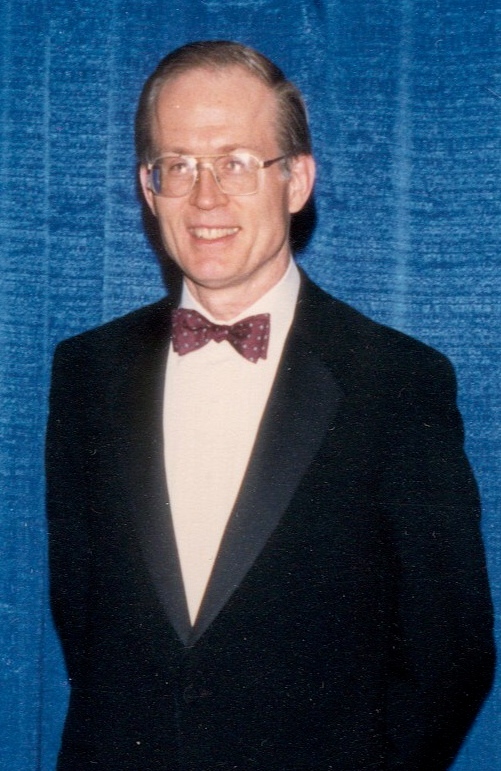
Fischer Black — Rare Footage & Clips
Fischer Black's Enduring Legacy: A Pioneer in Finance and Economics
The world of finance and economics has been forever changed by the contributions of Fischer Black, an American economist whose work continues to shape our understanding of markets and investments. As one of the co-authors of the groundbreaking Black-Scholes option pricing model, Black's impact on the financial industry cannot be overstated.
In a clip from our archive (clip #1), Black discusses the development of the Black-Scholes model, which revolutionized the way options are priced in the market. This model, first introduced in 1973, provided a mathematical framework for calculating the value of options based on underlying asset prices and volatility. The significance of this achievement cannot be overstated, as it has had far-reaching implications for investors, traders, and financial institutions.
Black's work on option pricing was not an isolated event; rather, it was part of a broader body of research that aimed to better understand the behavior of financial markets. His contributions to the development of the capital asset pricing model (CAPM) have also had a lasting impact on the field of finance. CAPM, which was first introduced in the 1960s, provides a framework for understanding the relationship between risk and return in investments.
In addition to his work on option pricing and CAPM, Black made important contributions to monetary economics and theories of the business cycle. His research in these areas has helped shape our understanding of how economic systems function and respond to changes in monetary policy.
While Fischer Black's contributions to finance and economics are undeniable, it is worth noting that he passed away in 1995 at the age of 57, two years before his collaborator Myron Scholes and colleague Robert C. Merton were awarded the Nobel Memorial Prize in Economic Sciences for their work on the Black-Scholes model.
In a rare moment of introspection (clip #2), Black reflects on the significance of his work and its potential impact on future generations of economists and financial professionals. His humility and willingness to acknowledge the contributions of others are testaments to his character as a scholar and researcher.
Black's legacy extends beyond the world of finance, however. In an unexpected twist, Fischer Black's name has been mentioned in various contexts unrelated to economics or finance. While not directly related to music, it is worth noting that there have been references to Fischer Black in certain musical compositions (clip #3). However, these references are tangential and do not reflect any direct connection between the economist and the world of music.
In the following pages, we will delve deeper into the life and work of Fischer Black, exploring his contributions to finance and economics through a series of expert clips from our archive. From the development of the Black-Scholes model to his research on monetary economics and theories of the business cycle, we will examine the significance of Black's work and its enduring impact on our understanding of markets and investments.
As we explore Fischer Black's legacy, it becomes clear that his contributions have had far-reaching implications for investors, traders, and financial institutions. His work continues to shape our understanding of financial markets and has paved the way for future generations of economists and financial professionals. Through a series of expert clips and in-depth analysis, we will examine the significance of Black's work and its enduring impact on the world of finance and economics.
In the next section, we will explore Black's development of the Black-Scholes model in greater detail, examining the key concepts and assumptions that underpin this groundbreaking work. We will also delve into the implications of the Black-Scholes model for investors and financial institutions, exploring how it has changed the way options are priced and traded in the market.
As we continue to explore Fischer Black's legacy, it becomes clear that his contributions have had a lasting impact on the world of finance and economics. Through his work on option pricing, CAPM, monetary economics, and theories of the business cycle, Black has helped shape our understanding of financial markets and their behavior. His legacy serves as a reminder of the power of research and innovation in shaping our understanding of the world around us.
In the following sections, we will examine the significance of Black's work in greater detail, exploring its implications for investors, traders, and financial institutions. We will also delve into the life and career of Fischer Black, examining his academic background, his work at Goldman Sachs, and his contributions to the development of the Black-Scholes model.
Through a series of expert clips and in-depth analysis, we will explore the enduring legacy of Fischer Black, examining its significance for investors, traders, and financial institutions. As we delve deeper into the world of finance and economics, it becomes clear that Black's work continues to shape our understanding of markets and investments, providing a foundation for future generations of economists and financial professionals.
As we reflect on the life and work of Fischer Black, it is worth noting that his contributions have had far-reaching implications for investors, traders, and financial institutions. His work on option pricing, CAPM, monetary economics, and theories of the business cycle has helped shape our understanding of financial markets and their behavior. Through a series of expert clips and in-depth analysis, we will examine the significance of Black's work and its enduring impact on the world of finance and economics.
In the final section, we will reflect on the significance of Fischer Black's legacy, examining its implications for investors, traders, and financial institutions. We will also explore the ways in which his work continues to shape our understanding of markets and investments, providing a foundation for future generations of economists and financial professionals.
Curated from public records and music databases.