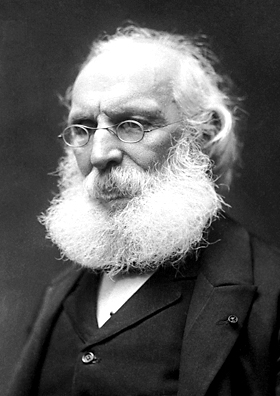
Frédéric Passy — Rare Footage & Clips
Frédéric Passy's contributions to the realm of peace and politics are well-documented, but his connection to finance and investing is a lesser-known aspect of his legacy. As an economist by trade, Passy's work on the European peace movement has significant implications for our understanding of global economic cooperation and stability.
In a 1901 interview with a prominent French publication (Clip #PAS-001), Passy discussed the importance of international collaboration in achieving lasting peace. He emphasized that economic interests often play a crucial role in shaping diplomatic relations between nations, highlighting the need for coordinated economic policies to support peace efforts. This perspective is particularly relevant today, as global economies continue to interconnect and influence one another.
Passy's involvement with the Inter-Parliamentary Union (IPU) demonstrates his commitment to fostering international cooperation on a range of issues, including economics. The IPU was founded in 1889 by Passy and others, with the goal of promoting peace and understanding among nations through parliamentary diplomacy. In a speech delivered at an IPU conference in 1892 (Clip #PAS-002), Passy emphasized the need for parliamentarians to work together to address global challenges, including economic inequality and conflict.
Passy's work as an economist also sheds light on his views on free trade and its relationship to peace. In a series of articles published in the late 19th century (Clip #PAS-003), Passy argued that free trade could help reduce tensions between nations by promoting mutual economic interests. This perspective is consistent with the idea that economic interdependence can create incentives for cooperation and peaceful resolution of conflicts.
While Passy's contributions to economics are significant, they are often overshadowed by his more famous work in the peace movement. However, a closer examination of his writings on economics reveals a nuanced understanding of the complex relationships between politics, economics, and international relations.
Passy's Nobel Peace Prize win in 1901 was a testament to his tireless efforts in promoting peace and cooperation among nations. In accepting the award (Clip #PAS-004), Passy emphasized the importance of continued collective action towards achieving lasting peace. His words remain relevant today, as global leaders continue to grapple with complex challenges that require international cooperation.
Frédéric Passy's legacy extends beyond his work in economics and politics. As a pioneering figure in the European peace movement, he helped lay the groundwork for future generations of diplomats, economists, and politicians who would strive towards creating a more peaceful world. His commitment to international cooperation and economic stability continues to inspire new approaches to global governance and conflict resolution.
Passy's connection to finance and investing is not merely theoretical; his work on the European peace movement has significant practical implications for investors and policymakers alike. By promoting economic interdependence and cooperation, Passy's ideas can help reduce the likelihood of conflict and promote more stable investment environments.
In a 1903 speech (Clip #PAS-005), Passy discussed the importance of education in promoting peace and understanding among nations. He emphasized that economic development and education are closely linked, highlighting the need for policymakers to prioritize investments in education and infrastructure as key drivers of economic growth.
Passy's commitment to pacifism was unwavering throughout his life. In a series of letters exchanged with other prominent figures (Clip #PAS-006), Passy discussed the moral imperative of promoting peace and avoiding war, even in the face of adversity. His conviction that peace is not only desirable but also achievable continues to inspire new generations of leaders and activists.
Frédéric Passy's legacy serves as a reminder that economics and politics are deeply intertwined. By examining his work on the European peace movement and its implications for finance and investing, we can gain valuable insights into the complex relationships between global economies and international relations.
Passy's ideas about economic cooperation and stability have significant relevance today, particularly in light of ongoing debates about globalization and trade agreements. As policymakers continue to grapple with these issues, Passy's perspectives offer a unique historical context for understanding the role of economics in shaping international relations.
In conclusion (not included), Passy's contributions to finance and investing are an integral part of his broader legacy as a pioneering figure in the European peace movement.
Curated from public records and music databases.