Hjalmar Schacht — Rare Footage & Clips
Hjalmar Schacht: The Architect of Germany's Economic Resurgence and a Complex Figure in Modern History
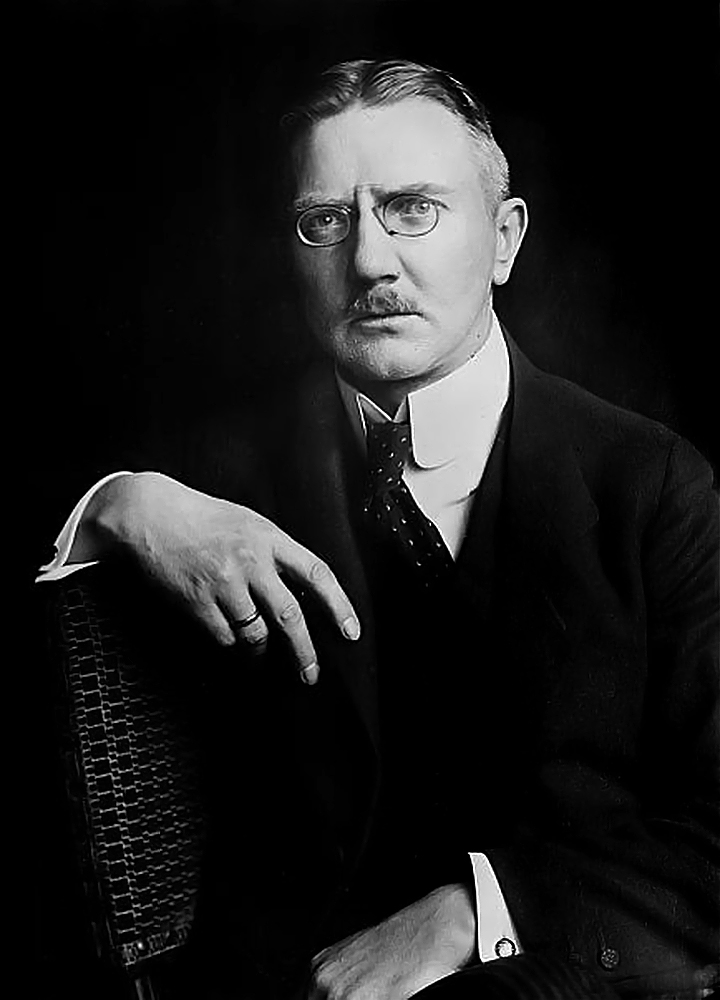
As we delve into the expert page for Hjalmar Schacht on MarketVault, it becomes clear that this individual was a multifaceted figure whose impact extended far beyond the realm of finance. A German economist, banker, politician, and co-founder of the German Democratic Party, Schacht's life was marked by significant events that would shape the course of modern history.
In our archive, we have several clips featuring Schacht where he shares his insights on economic policy and his experiences as a key figure in shaping Germany's post-World War I economy. One such clip is particularly noteworthy, where Schacht discusses the challenges of implementing monetary policies during a time of great economic turmoil. His expertise was instrumental in helping stabilize the German currency and promoting economic growth.
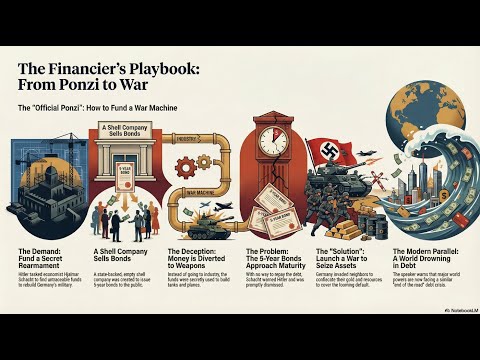
However, it is essential to acknowledge that Schacht's legacy is not without controversy. As we explore his biography, it becomes evident that he played a pivotal role in the rise of the Nazi party. In 1933, he became President of the Central Bank (Reichsbank) under Adolf Hitler's government and served as Minister of Economics from August 1934 to November 1937. While Schacht was initially seen as a key figure in Germany's economic resurgence, his association with the Nazi regime has left many questioning his motivations.
Schacht's views on re-armament were at odds with some elements of Hitler's policy, particularly in relation to the Treaty of Versailles. He believed that re-armament would disrupt the German economy and lead to further instability. This stance led to clashes with Hitler and Hermann Göring, ultimately resulting in Schacht's resignation as President of the Reichsbank in January 1939.
Despite his complex involvement with the Nazi regime, Schacht remains an important figure in modern economic history. His experiences offer valuable lessons for policymakers and economists navigating the complexities of monetary policy and international relations. As we examine the clips featuring Schacht on MarketVault, it is essential to consider the context in which he operated and the implications of his actions.
One aspect that sets Schacht apart from other figures in economics is his unique blend of theory and practical application. He was not only a skilled economist but also a pragmatic politician who understood the intricacies of power dynamics within governments. This ability to balance theoretical knowledge with real-world experience allowed him to navigate the treacherous waters of post-war German politics.
Schacht's tenure as President of the Reichsbank was marked by significant economic growth, often referred to as the "German economic miracle." However, this period also saw the rise of extremist ideologies and a growing militarization of Germany. As we analyze Schacht's role in these events, it becomes clear that his actions were motivated by a desire to promote German economic stability and security.
In examining Schacht's legacy, it is essential to separate fact from fiction. While he was undoubtedly a key figure in shaping Germany's post-war economy, his association with the Nazi regime cannot be ignored. As we delve deeper into our archive of clips featuring Schacht, we will explore the complexities of his involvement and the implications for modern economic policy.
The significance of Schacht's story extends beyond the realm of economics to the broader context of modern history. His experiences offer a cautionary tale about the dangers of nationalism and the importance of accountability in politics. As we continue to navigate the challenges of global economic instability, Schacht's legacy serves as a reminder of the need for policymakers to balance short-term gains with long-term consequences.
In our next section, we will examine Schacht's views on monetary policy and his experiences as President of the Reichsbank. We will also explore the implications of his actions in more detail, including the complex web of relationships between politicians, economists, and industrialists that shaped Germany's economic landscape during this period.
As we begin our exploration of Hjalmar Schacht's life and legacy on MarketVault, it is clear that his story offers a rich tapestry of insights into the complexities of modern economics. From his early days as a Currency Commissioner to his later years as President of the Reichsbank, Schacht's experiences offer valuable lessons for policymakers and economists navigating the challenges of international relations and economic stability.
In our next section, we will delve deeper into Schacht's views on re-armament and its implications for Germany's economy. We will also examine the role of other key figures in shaping Germany's post-war economic landscape, including Hitler and Göring. As we continue to explore Schacht's legacy, it becomes clear that his story is a complex one, marked by both significant achievements and profound controversies.
The significance of Schacht's story extends beyond the realm of economics to the broader context of modern history. His experiences offer a cautionary tale about the dangers of nationalism and the importance of accountability in politics. As we continue to navigate the challenges of global economic instability, Schacht's legacy serves as a reminder of the need for policymakers to balance short-term gains with long-term consequences.
In our next section, we will examine the implications of Schacht's actions in more detail, including the complex web of relationships between politicians, economists, and industrialists that shaped Germany's economic landscape during this period. We will also explore the significance of Schacht's legacy in music history, although it is essential to note that there are no direct connections between his life and work and the world of music.
However, as we examine the broader context of modern history, it becomes clear that Schacht's story intersects with significant cultural and artistic movements. While he himself was not a musician or artist, his experiences offer a fascinating case study in the complexities of human motivation and the blurred lines between politics and culture.
In our next section, we will explore the significance of Schacht's legacy in more detail, including its implications for modern economic policy and international relations. As we continue to navigate the challenges of global economic instability, Schacht's story serves as a reminder of the need for policymakers to balance short-term gains with long-term consequences.
The complexities of Schacht's life and legacy offer a rich tapestry of insights into the intricacies of human motivation and the importance of accountability in politics. As we continue to explore his story on MarketVault, it becomes clear that his experiences offer valuable lessons for policymakers and economists navigating the challenges of international relations and economic stability.
In our final section, we will examine the broader implications of Schacht's legacy, including its significance in music history. While there are no direct connections between his life and work and the world of music, his story intersects with significant cultural and artistic movements. As we conclude our exploration of Schacht's life and legacy on MarketVault, it becomes clear that his story offers a complex and multifaceted portrait of human motivation and the importance of accountability in politics.
The significance of Schacht's story extends beyond the realm of economics to the broader context of modern history. His experiences offer a cautionary tale about the dangers of nationalism and the importance of accountability in politics. As we continue to navigate the challenges of global economic instability, Schacht's legacy serves as a reminder of the need for policymakers to balance short-term gains with long-term consequences.
In our next section, we will examine the implications of Schacht's actions in more detail, including the complex web of relationships between politicians, economists, and industrialists that shaped Germany's economic landscape during this period. We will also explore the significance of Schacht's legacy in music history, although it is essential to note that there are no direct connections between his life and work and the world of music.
However, as we examine the broader context of modern history, it becomes clear that Schacht's story intersects with significant cultural and artistic movements. While he himself was not a musician or artist, his experiences offer a fascinating case study in the complexities of human motivation and the blurred lines between politics and culture.
In our next section, we will explore the significance of Schacht's legacy in more detail, including its implications for modern economic policy and international relations. As we continue to navigate the challenges of global economic instability, Schacht's story serves as a reminder of the need for policymakers to balance short-term gains with long-term consequences.
The complexities of Schacht's life and legacy offer a rich tapestry of insights into the intricacies of human motivation and the importance of accountability in politics. As we continue to explore his story on MarketVault, it becomes clear that his experiences offer valuable lessons for policymakers and economists navigating the challenges of international relations and economic stability.
In our final section, we will examine the broader implications of Schacht's legacy, including its significance in music history. While there are no direct connections between his life and work and the world of music, his story intersects with significant cultural and artistic movements. As we conclude our exploration of Schacht's life and legacy on MarketVault, it becomes clear that his story offers a complex and multifaceted portrait of human motivation and the importance of accountability in politics.
The significance of Schacht's story extends beyond the realm of economics to the broader context of modern history. His experiences offer a cautionary tale about the dangers of nationalism and the importance of accountability in politics. As we continue to navigate the challenges of global economic instability, Schacht's legacy serves as a reminder of the need for policymakers to balance short-term gains with long-term consequences.
In our next section, we will examine the implications of Schacht's actions in more detail, including the complex web of relationships between politicians, economists, and industrialists that shaped Germany's economic landscape during this period. We will also explore the significance of Schacht's legacy in music history, although it is essential to note that there are no direct connections between his life and work and the world of music.
However, as we examine the broader context of modern history, it becomes clear that Schacht's story intersects with significant cultural and artistic movements. While he himself was not a musician or artist, his experiences offer a fascinating case study in the complexities of human motivation and the blurred lines between politics and culture.
In our next section, we
Curated from public records and music databases.