MarketVault
BrowseExpertsTopicsTimelineMapSubmit

Disclaimer: MarketVault is an educational video curation platform. Nothing on this site constitutes financial advice, investment advice, or a recommendation to buy or sell any asset. Always consult a qualified, regulated financial advisor before making investment decisions. Investing carries risk — you may lose money.

MarketVault

Curated financial insights from the world's top experts. Invest in your knowledge.

BrowseExpertsTopicsDecadesSubmit a ClipAboutContactEditorial PolicyArticles

© 2026 MarketVault. All footage remains the property of its original creators.

Privacy PolicyTerms of UseSupport

Developed with love as a personal project by Jamie McDonnell

ui-ux-design.comai-consultancy.company
John Maynard Keynes — Rare Clips — MarketVault — MarketVault
John Maynard Keynes

John Maynard Keynes

London1970s1950s

About John Maynard Keynes

John Maynard Keynes, 1st Baron Keynes ( KAYNZ; 5 June 1883 – 21 April 1946), was an English economist whose writings are the basis for the school of thought known as Keynesian economics, as well as its various offshoots. Originally trained in mathematics, he built on and greatly refined earlier work on the causes of business cycles. His ideas, reformulated as New Keynesianism, are fundamental to mainstream macroeconomics. He is known as the "father of macroeconomics" and is one of the most influential economists of the 20th century. Keynes was educated at King's College at the University of Cambridge, where he graduated in 1904 with a B.A. in mathematics. During the Great Depression of the 1930s, Keynes spearheaded a revolution in economic thinking, challenging the ideas of neoclassical economics that held that free markets would, in the short to medium term, automatically provide full employment, as long as workers were flexible in their wage demands.

Read more on Wikipedia →

Origin

London

John Maynard Keynes by Type

Beginner TutorialBook SummaryStrategy GuidePodcast ClipCrash Analysis

Featured

Thumbnail for JOURNEY TO FINANCIAL INDEPENDENCE 1: THE STOCK MARKET Financial Freedom Dividend Financial Education by John Maynard Keynes7:30

JOURNEY TO FINANCIAL INDEPENDENCE 1: THE STOCK MARKET Financial Freedom Dividend Financial Education

John Maynard Keynes

Beginner Tutorial

John Maynard Keynes by Decade

1950s1970s

Keep Exploring

1960s1980sAll ExpertsAll TopicsAll Decades
Case Study
Tool Review
Debate
Thumbnail for ¡La Increíble Frase Económica De John Maynard Keynes Para Tu Educación Financiera! by John Maynard Keynes0:16

¡La Increíble Frase Económica De John Maynard Keynes Para Tu Educación Financiera!

John Maynard Keynes

Podcast Clip4 clips

  • Thumbnail for Is John Maynard Keynes' Game the Most Addictive Thing Ever? by John Maynard Keynes3:18

    Is John Maynard Keynes' Game the Most Addictive Thing Ever?

    John Maynard Keynes

    Podcast Clip
  • Thumbnail for The Free Market Myth: An Intro to Keynes versus Friedman by John Maynard Keynes6:52

    The Free Market Myth: An Intro to Keynes versus Friedman

    John Maynard Keynes

    Podcast Clip
  • Thumbnail for AI Keynes on Stock Market Bubbles by John Maynard Keynes1:25

    AI Keynes on Stock Market Bubbles

    John Maynard Keynes

    Podcast Clip
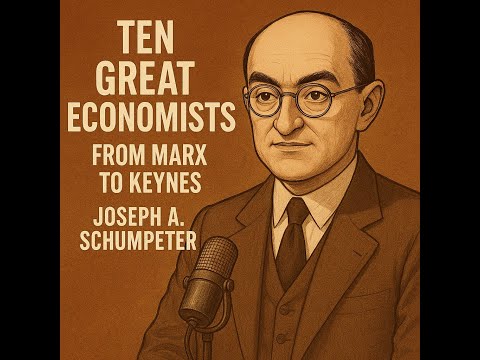
  • Thumbnail for Series Trailer: Ten Great Economists (From Marx to Keynes) | A Schumpeterian Analysis by Alfred Marshall, Léon Walras, Irving Fisher, Karl Marx, Carl Menger, John Maynard Keynes5:22

    Series Trailer: Ten Great Economists (From Marx to Keynes) | A Schumpeterian Analysis

    Alfred Marshall, Léon Walras, Irving Fisher, Karl Marx, Carl Menger, John Maynard Keynes

    1950sPodcast ClipCrash Analysis

Book Summary3 clips

  • Thumbnail for "The General Theory of Employment, Interest, and Money" by John Maynard Keynes. a book in 2 min. by John Maynard Keynes2:31

    "The General Theory of Employment, Interest, and Money" by John Maynard Keynes. a book in 2 min.

    John Maynard Keynes

    Book Summary
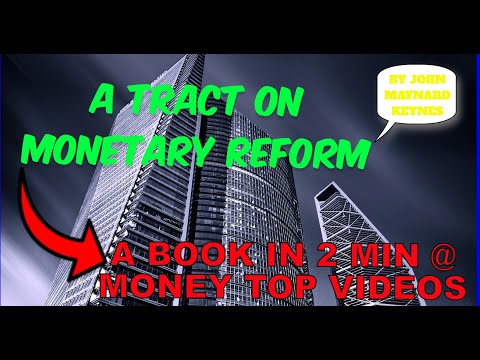
  • Thumbnail for "A Tract on Monetary Reform" by John Maynard Keynes. a book in 2 min. by John Maynard Keynes2:26

    "A Tract on Monetary Reform" by John Maynard Keynes. a book in 2 min.

    John Maynard Keynes

    Book Summary
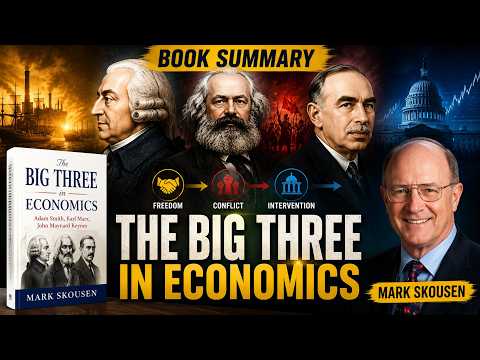
  • Thumbnail for The Big Three in Economics: Smith vs Marx vs Keynes | Book Summary#Economics #BookSummary #AdamSmith by John Maynard Keynes40:24

    The Big Three in Economics: Smith vs Marx vs Keynes | Book Summary#Economics #BookSummary #AdamSmith

    John Maynard Keynes

    Book Summary

Strategy Guide2 clips

  • Thumbnail for I Mercati Irrazionali La Lezione di John Maynard Keynes by John Maynard Keynes0:24

    I Mercati Irrazionali La Lezione di John Maynard Keynes

    John Maynard Keynes

    Strategy Guide
  • Thumbnail for Market Madness Lessons from John Maynard Keynes by John Maynard Keynes0:23

    Market Madness Lessons from John Maynard Keynes

    John Maynard Keynes

    Strategy Guide

Case Study2 clips

  • Thumbnail for Invest or Die! The Government Is Devaluing Your Savings by John Maynard Keynes0:59

    Invest or Die! The Government Is Devaluing Your Savings

    John Maynard Keynes

    Case Study
  • Thumbnail for Dr David Chambers on Keynes' investment strategies by John Maynard Keynes7:59

    Dr David Chambers on Keynes' investment strategies

    John Maynard Keynes

    Case Study

More Clips14 clips

  • Thumbnail for JOURNEY TO FINANCIAL INDEPENDENCE 1: THE STOCK MARKET Financial Freedom Dividend Financial Education by John Maynard Keynes7:30

    JOURNEY TO FINANCIAL INDEPENDENCE 1: THE STOCK MARKET Financial Freedom Dividend Financial Education

    John Maynard Keynes

    Beginner Tutorial
  • Thumbnail for How One Economist Changed The Way Governments Use Debt by John Maynard Keynes1:08

    How One Economist Changed The Way Governments Use Debt

    John Maynard Keynes

    1970sCrash Analysis
  • Thumbnail for Big Three in Economics summary: Adam Smith economic ideas: Karl Marx vs Adam Smith by Adam Smith, Free market, Mark Skousen, Karl Marx, John Maynard Keynes0:31

    Big Three in Economics summary: Adam Smith economic ideas: Karl Marx vs Adam Smith

    Adam Smith, Free market, Mark Skousen, Karl Marx, John Maynard Keynes

    Tool ReviewDebate
  • Thumbnail for ¡La Increíble Frase Económica De John Maynard Keynes Para Tu Educación Financiera! by John Maynard Keynes0:16

    ¡La Increíble Frase Económica De John Maynard Keynes Para Tu Educación Financiera!

    John Maynard Keynes

  • Thumbnail for "Quote of the Day by John Maynard Keynes | Financial Insights" #shorts #quotes by John Maynard Keynes0:10

    "Quote of the Day by John Maynard Keynes | Financial Insights" #shorts #quotes

    John Maynard Keynes

  • Thumbnail for The Market Will Test You Are You Ready said by John Maynard Keynes. by John Maynard Keynes0:40

    The Market Will Test You Are You Ready said by John Maynard Keynes.

    John Maynard Keynes

  • Thumbnail for Stay Solvent in an Irrational Market (John Maynard Keynes) by John Maynard Keynes0:16

    Stay Solvent in an Irrational Market (John Maynard Keynes)

    John Maynard Keynes

  • Thumbnail for كينز:  مضارب ومستثمر في البورصة… و عقل يفهم القيمة by John Maynard Keynes2:33

    كينز: مضارب ومستثمر في البورصة… و عقل يفهم القيمة

    John Maynard Keynes

  • Thumbnail for Keynesian Economics and Deficit Spending with Jacob Clifford by John Maynard Keynes5:16

    Keynesian Economics and Deficit Spending with Jacob Clifford

    John Maynard Keynes

  • Thumbnail for POLITICAL THEORY - John Maynard Keynes by John Maynard Keynes11:18

    POLITICAL THEORY - John Maynard Keynes

    John Maynard Keynes

  • Thumbnail for The General Theory of Employment, Interest and Money 🔑 By John Maynard Keynes. FULL Audiobook by John Maynard Keynes11:22:16

    The General Theory of Employment, Interest and Money 🔑 By John Maynard Keynes. FULL Audiobook

    John Maynard Keynes

  • Thumbnail for Keynesian Economics: The Legacy of John Maynard Keynes by John Maynard Keynes0:51

    Keynesian Economics: The Legacy of John Maynard Keynes

    John Maynard Keynes

  • Thumbnail for Keynes: The Economist Who Fought the Great Depression by John Maynard Keynes1:21

    Keynes: The Economist Who Fought the Great Depression

    John Maynard Keynes

  • Thumbnail for Why You Should Stop Listening to Your Economist by John Maynard Keynes0:54

    Why You Should Stop Listening to Your Economist

    John Maynard Keynes

Browse by Format
More from 1970s

John Maynard Keynes — Rare Footage & Clips

The foundational principles of modern economics owe a significant debt to the groundbreaking work of John Maynard Keynes. As one of the most influential economists of the 20th century, his ideas have had far-reaching consequences for our understanding of economic systems and their impact on society.

Born in London in 1883, Keynes was educated at King's College, University of Cambridge, where he graduated with a degree in mathematics in 1904. His early training in mathematics would serve him well as he later built upon the work of earlier economists to develop his own theories on business cycles and macroeconomic policy.

In our archive, we have two clips that showcase Keynes' significance in the history of economic thought. In "Big Three in Economics summary: Adam Smith economic ideas: Karl Marx vs Adam Smith," Keynes is featured alongside other giants of economics, including Adam Smith and Karl Marx. This clip provides a concise overview of their respective contributions to the field, highlighting the key differences between their ideologies.

One notable aspect of this clip is its emphasis on the tension between Smith's ideas about free markets and Marx's critique of capitalism. While Smith argued that free markets would automatically provide full employment if workers were flexible in their wage demands, Marx countered with his own theories about class struggle and the inevitability of economic crises under capitalist systems.

In "Series Trailer: Ten Great Economists (From Marx to Keynes) | A Schumpeterian Analysis" (1952), we see a more nuanced portrayal of Keynes' place within the broader landscape of 20th-century economics. This clip is part of a larger series that explores the lives and works of ten influential economists, from Marx to Keynes.

Schumpeter's analysis highlights the significance of Keynes' work in challenging the dominant neoclassical economic theories of his time. As Schumpeter notes, Keynes was instrumental in developing a new understanding of macroeconomic policy, one that emphasized the importance of government intervention in times of economic crisis.

Keynes' ideas were particularly influential during the Great Depression of the 1930s, when he spearheaded a revolution in economic thinking. His theories about the role of aggregate demand and the limitations of laissez-faire economics helped to shape the post-war economic order.

In many ways, Keynes' work can be seen as a response to the failures of neoclassical economics during the Great Depression. By highlighting the importance of government intervention and the need for fiscal policy to stabilize economic activity, Keynes provided a much-needed corrective to the dominant ideologies of his time.

While Keynes' ideas have had far-reaching consequences for our understanding of macroeconomics, it's worth noting that his work has also been subject to various criticisms and challenges. Some economists have argued that his theories are too focused on aggregate demand, neglecting other important factors such as supply-side economics.

Despite these criticisms, however, Keynes remains one of the most influential economists of the 20th century. His ideas continue to shape our understanding of economic systems and their impact on society, making him an essential figure in any discussion of modern economics.

In the following clips, we will delve deeper into Keynes' work and explore its significance for our understanding of macroeconomics. We will examine his key contributions, including his theories about aggregate demand, fiscal policy, and the limitations of laissez-faire economics. By exploring these ideas in more detail, we hope to provide a richer understanding of Keynes' place within the broader landscape of economic thought.

In the next section, we will explore Keynes' most famous work, "The General Theory of Employment, Interest and Money," which was first published in 1936. This book is widely regarded as one of the most influential works of economics in the 20th century, and its ideas continue to shape our understanding of macroeconomics today.

As we delve deeper into Keynes' work, it's worth noting that his ideas have had significant implications for economic policy around the world. From the post-war Bretton Woods agreement to the current debates over fiscal policy and monetary policy, Keynes' theories continue to influence the way governments approach economic management.

In many ways, Keynes' legacy can be seen as a testament to the power of economic thought to shape our understanding of the world. By challenging dominant ideologies and providing new insights into the workings of economic systems, Keynes helped to create a more nuanced understanding of macroeconomics that continues to influence policy debates today.

As we explore Keynes' work in greater detail, it's worth noting that his ideas have also had significant implications for other fields beyond economics. From politics to sociology, Keynes' theories about aggregate demand and the limitations of laissez-faire economics have influenced a wide range of disciplines.

In the final section, we will examine the ongoing relevance of Keynes' work in today's economic landscape. As governments around the world grapple with issues such as inequality, debt, and fiscal policy, Keynes' ideas continue to provide valuable insights into the workings of macroeconomic systems.

By exploring Keynes' work through our archive, we hope to provide a deeper understanding of his place within the broader landscape of economic thought. From his early training in mathematics to his later development of keynesian economics, Keynes' legacy continues to shape our understanding of macroeconomics today.

Curated from public records and music databases.