Origin of Heckscher-Ohlin Theory l Economics with AI I
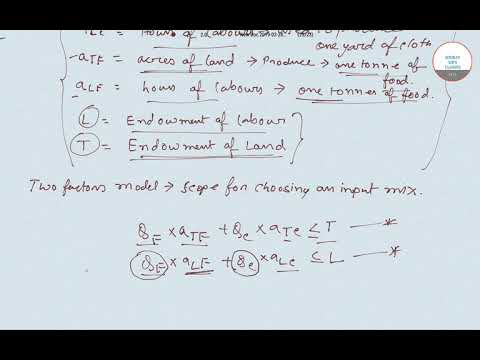
Welcome to Economics with AI! 🎓🌍 Explore the origin of the Heckscher-Ohlin Theory, a groundbreaking approach to international trade that goes beyond traditional cost-based theories. Developed by Swedish economist Eli Heckscher in 1919 and later expanded by his student Bertil Ohlin in 1933, this theory revolutionized how we understand trade patterns. Unlike Classical Trade Theories, which focus solely on cost advantages, the Heckscher-Ohlin Theory explains that a country's factor endowments—the availability of labour and capital—determine its trade specialization. Countries export goods that intensively use their abundant resources and import goods that require scarce resources. 🔹 What you'll learn: ✅ The historical background of the Heckscher-Ohlin Theory ✅ How factor endowments shape global trade ✅ The role of labour and capital in trade specialization ✅ Differences between Classical Trade Theories and Modern Trade Theories Join Economics with AI for clear, insightful, and AI-powered explanations of global trade economics! Subscribe now and start exploring the Heckscher-Ohlin Theory in depth! 🚀📈 Visit Channel for full video..... Economics, International Trade, Heckscher-Ohlin, Trade Theories, Factor Endowment, Comparative Advantage
About
Know someone who'd love this clip?
Share it with friends and fellow fans.