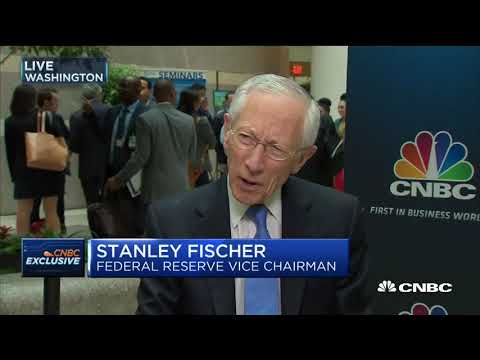
All About Stanley Fischer - Vice Chair Of The U.S. Federal Reserve
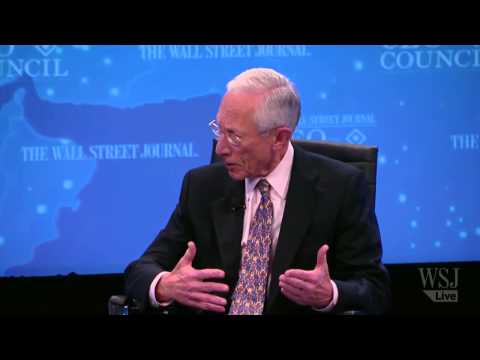
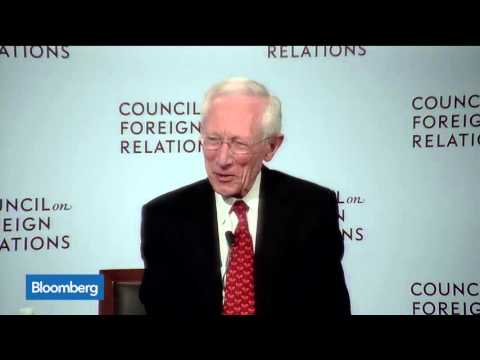
Welcome to the Investors Trading Academy event of the week. Each week our staff of educators tries to introduce you to a person of interest in the financial world. This could be a person in government or banking or an important investors or trader, on just someone making the financial headlines in recent days. With the Federal Reserve dominating global headlines the newest member of the Fed has been receiving his share of press coverage. Stanley Fischer took office as a member of the Board of Governors of the Federal Reserve System on May 28, 2014, to fill an unexpired term ending January 31, 2020. He was sworn in as Vice Chairman of the Board of Governors on June 16, 2014. His term as Vice Chairman expires on June 12, 2018. Prior to his appointment to the Board, Dr. Fischer was governor of the Bank of Israel from 2005 through 2013. From February 2002 to April 2005, Dr. Fischer was vice chairman of Citigroup. Dr. Fischer served as the first deputy managing director of the International Monetary Fund from September 1994 through August 2001. From January 1988 to August 1990, he was the chief economist of the World Bank. Federal Reserve Vice Chairman Stanley Fischer said policy makers will consider global growth as they begin to raise interest rates, and that they could increase borrowing costs more gradually should the world economy falter. “If foreign growth is weaker than anticipated, the consequences for the U.S. economy could lead the Fed to remove accommodation more slowly than otherwise,” Fischer said in a speech Tuesday at Tel Aviv University. His prepared comments were similar to remarks he delivered in October. The Fed will weigh how raising rates will affect other nations, said Fischer, a former governor of the Bank of Israel. While tightening will probably will cause spillovers, the Fed is working to communicate policy changes clearly to smooth the transition, and emerging market economies are in better shape to endure the shift than in recent years, he said. Fed policy makers preparing to raise rates that they’ve held near zero since December 2008 are working to engineer a smooth tightening and avoid the volatility spurred by the so-called “taper tantrum” that roiled global markets in 2013. Fischer, 71, joined the Fed a year ago. He was the International Monetary Fund’s No. 2 official from 1994 to 2001 and the World Bank’s chief economist from 1988 to 1990. While the Fed’s mandate from Congress charges it with fostering full employment and stable prices in the U.S., Fischer said avoiding global market gyrations will be a big part of the job, because such disruptions can feed back into the domestic economy and undermine the central bank’s policy goals. By Barry Norman, Investors Trading Academy
Know someone who'd love this clip?
Share it with friends and fellow fans.