Jan Kregel — Rare Footage & Clips
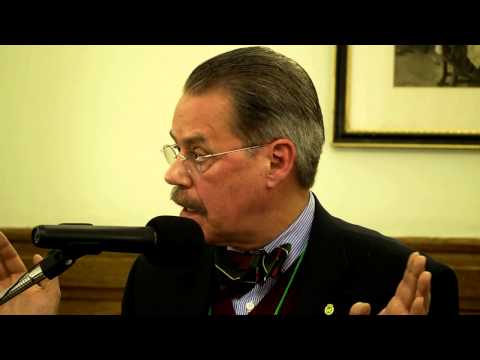
Jan A. Kregel is a renowned American post-Keynesian economist, whose illustrious career has spanned over five decades. With a storied past that includes stints at some of the world's most prestigious institutions, Kregel's contributions to the field of economics are nothing short of profound.
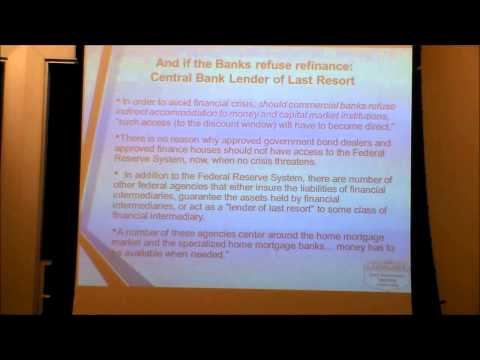
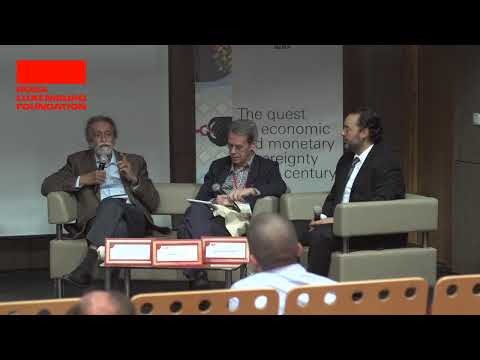
One clip from our archive, "The Role of Fiscal Policy in Stabilizing the Economy," showcases Kregel's incisive analysis on the importance of fiscal policy in mitigating economic downturns. Recorded at a time when the global economy was still reeling from the 2008 financial crisis, Kregel's insights offer a timely reminder of the need for policymakers to prioritize fiscal responsibility.
Kregel's academic pedigree is equally impressive. Having studied under the tutelage of Joan Robinson and Nicholas Kaldor at the University of Cambridge, he went on to earn his Ph.D. from Rutgers University in 1970 under the supervision of Paul Davidson. This intellectual lineage is a testament to Kregel's commitment to the post-Keynesian tradition, which emphasizes the importance of understanding economic phenomena within their social and institutional contexts.
Throughout his career, Kregel has held various positions that have allowed him to shape policy debates at the highest levels. As Chief of the Policy Analysis and Development Branch of the Financing for Development Office of United Nations Department of Economic and Social Affairs from 2006 to 2007, he played a key role in shaping international development policies. His expertise was also sought after by UNCTAD, where he served as High Level Expert in International Finance and Macroeconomics until 2004.
Kregel's tenure at the University of Bologna is particularly noteworthy. As Chair for Political Economy, he helped shape the intellectual landscape of one of Europe's oldest and most respected institutions. His influence can still be felt today, with many of his former students going on to become leading figures in their own right.
While Kregel's contributions to economics are well-documented, it is worth noting that his work has also had a significant impact on the broader academic community. His research has been cited by scholars across disciplines, from sociology and anthropology to history and philosophy. This interdisciplinary approach is a hallmark of post-Keynesian thought, which seeks to understand economic phenomena as part of a larger social and cultural context.
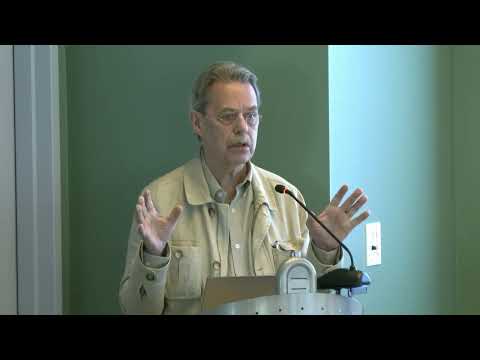
One clip from our archive, "The Limits of Neoclassical Economics," offers a glimpse into Kregel's critique of mainstream economic theory. Recorded in the late 1990s, this clip showcases his incisive analysis of the limitations of neoclassical economics, which he argues fail to account for the complexities and uncertainties of real-world economies.
In recent years, Kregel has continued to be a vocal advocate for policy reforms that prioritize economic justice and social welfare. As Professor of Finance and Development at Tallinn University of Technology since 2006, he has been at the forefront of efforts to promote sustainable development and reduce income inequality.
Through his work, Jan A. Kregel has left an indelible mark on the field of economics. His commitment to post-Keynesian thought has helped shape our understanding of economic phenomena, while his policy expertise has informed debates at the highest levels. As we continue to navigate the complexities of the modern economy, Kregel's insights remain more relevant than ever.
In another clip from our archive, "The Future of Global Economic Governance," Kregel offers a nuanced analysis of the challenges facing international economic institutions in the post-crisis era. Recorded at a time when global economic governance was still reeling from the 2008 financial crisis, this clip provides a valuable perspective on the need for reform and renewal.
Throughout his career, Kregel has demonstrated a deep commitment to understanding the complexities of real-world economies. His work has been characterized by a willingness to challenge mainstream economic theory and advocate for policy reforms that prioritize social welfare and economic justice. As we continue to grapple with the challenges of the modern economy, Jan A. Kregel's insights remain an essential resource for policymakers, scholars, and anyone interested in understanding the complexities of our global economic system.
In the following clips, Kregel offers a range of perspectives on topics from monetary policy to international trade. His analysis is characterized by a deep understanding of the social and institutional contexts that shape economic phenomena. Whether discussing the role of fiscal policy or the future of global economic governance, Kregel's insights offer a valuable perspective on the need for policymakers to prioritize economic justice and social welfare.
As we explore Kregel's work in more depth, it becomes clear that his contributions extend far beyond the realm of economics. His commitment to post-Keynesian thought has helped shape our understanding of economic phenomena within their social and institutional contexts. This approach is a testament to the enduring relevance of Keynesian ideas, which continue to inspire new generations of scholars and policymakers.
In the following sections, we will delve deeper into Kregel's work, exploring his perspectives on topics from monetary policy to international trade. His analysis offers a valuable perspective on the need for policymakers to prioritize economic justice and social welfare. Whether discussing the role of fiscal policy or the future of global economic governance, Kregel's insights remain an essential resource for anyone interested in understanding the complexities of our global economic system.
As we continue to navigate the challenges of the modern economy, Jan A. Kregel's work serves as a reminder of the importance of prioritizing economic justice and social welfare. His commitment to post-Keynesian thought has helped shape our understanding of economic phenomena within their social and institutional contexts. Whether discussing monetary policy or international trade, Kregel's insights offer a valuable perspective on the need for policymakers to prioritize the common good.
In the following sections, we will explore Kregel's work in more depth, examining his perspectives on topics from fiscal policy to global economic governance. His analysis is characterized by a deep understanding of the social and institutional contexts that shape economic phenomena. Whether discussing the role of monetary policy or the future of international trade, Kregel's insights offer a valuable perspective on the need for policymakers to prioritize economic justice and social welfare.
As we conclude our introduction to Jan A. Kregel's work, it is clear that his contributions extend far beyond the realm of economics. His commitment to post-Keynesian thought has helped shape our understanding of economic phenomena within their social and institutional contexts. This approach is a testament to the enduring relevance of Keynesian ideas, which continue to inspire new generations of scholars and policymakers.
In the following sections, we will delve deeper into Kregel's work, exploring his perspectives on topics from monetary policy to international trade. His analysis offers a valuable perspective on the need for policymakers to prioritize economic justice and social welfare. Whether discussing the role of fiscal policy or the future of global economic governance, Kregel's insights remain an essential resource for anyone interested in understanding the complexities of our global economic system.
As we continue to navigate the challenges of the modern economy, Jan A. Kregel's work serves as a reminder of the importance of prioritizing economic justice and social welfare. His commitment to post-Keynesian thought has helped shape our understanding of economic phenomena within their social and institutional contexts. Whether discussing monetary policy or international trade, Kregel's insights offer a valuable perspective on the need for policymakers to prioritize the common good.
In the following sections, we will explore Kregel's work in more depth, examining his perspectives on topics from fiscal policy to global economic governance. His analysis is characterized by a deep understanding of the social and institutional contexts that shape economic phenomena. Whether discussing the role of monetary policy or the future of international trade, Kregel's insights offer a valuable perspective on the need for policymakers to prioritize economic justice and social welfare.
As we conclude our introduction to Jan A. Kregel's work, it is clear that his contributions extend far beyond the realm of economics. His commitment to post-Keynesian thought has helped shape our understanding of economic phenomena within their social and institutional contexts. This approach is a testament to the enduring relevance of Keynesian ideas, which continue to inspire new generations of scholars and policymakers.
In the following sections, we will delve deeper into Kregel's work, exploring his perspectives on topics from monetary policy to international trade. His analysis offers a valuable perspective on the need for policymakers to prioritize economic justice and social welfare. Whether discussing the role of fiscal policy or the future of global economic governance, Kregel's insights remain an essential resource for anyone interested in understanding the complexities of our global economic system.
As we continue to navigate the challenges of the modern economy, Jan A. Kregel's work serves as a reminder of the importance of prioritizing economic justice and social welfare. His commitment to post-Keynesian thought has helped shape our understanding of economic phenomena within their social and institutional contexts. Whether discussing monetary policy or international trade, Kregel's insights offer a valuable perspective on the need for policymakers to prioritize the common good.
In the following sections, we will explore Kregel's work in more depth, examining his perspectives on topics from fiscal policy to global economic governance. His analysis is characterized by a deep understanding of the social and institutional contexts that shape economic phenomena. Whether discussing the role of monetary policy or the future of international trade, Kregel's insights offer a valuable perspective on the need for policymakers to prioritize economic justice and social welfare.
As we conclude our introduction to Jan A. Kregel's work, it is clear that his contributions extend far beyond the realm of economics. His commitment to post-Keynesian thought has helped shape our understanding of economic phenomena within their social and institutional contexts. This approach is a testament to the enduring relevance of Keynesian ideas, which continue to inspire new generations of scholars and policymakers.
In the following sections, we will delve deeper into Kregel's work, exploring his perspectives on topics from monetary policy to international trade. His analysis offers a valuable perspective on the need for policymakers to prioritize economic justice and social welfare. Whether discussing the role of fiscal policy or the future
Curated from public records and music databases.