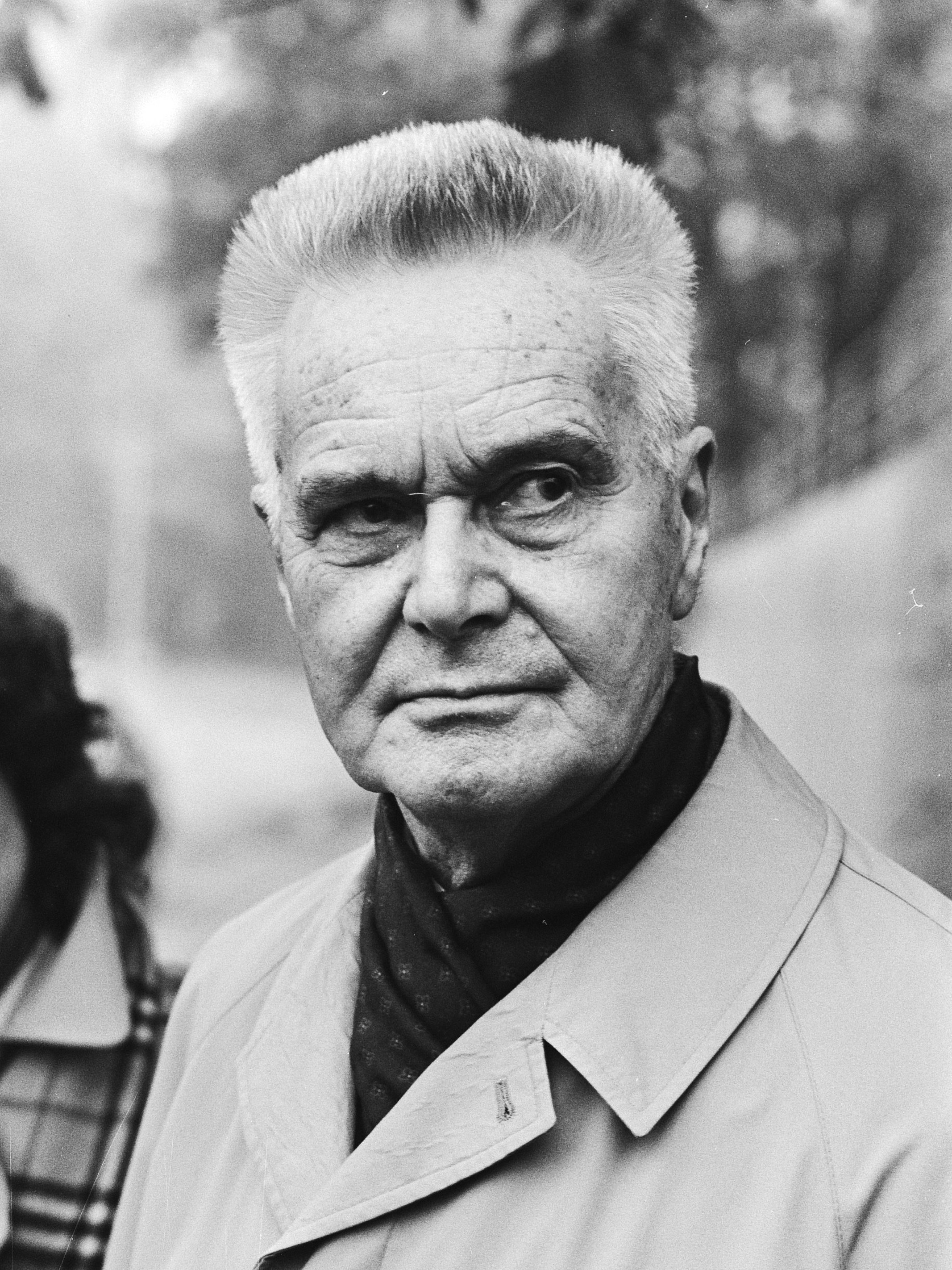
Jan Tinbergen — Rare Footage & Clips
Jan Tinbergen: A Visionary in Economic Sciences
Jan Tinbergen's contributions to economic theory have left an indelible mark on the field of econometrics. As one of the most influential economists of the 20th century, his work has been a cornerstone for generations of scholars and policymakers alike.
In our archive, we feature several clips where Jan Tinbergen shares his insights on the development of dynamic models for economic analysis. In "Dynamic Models in Economic Analysis" (Clip #1), Tinbergen explains how these models allowed economists to better understand the complex relationships between economic variables. He notes that by accounting for time lags and feedback loops, dynamic models provided a more nuanced understanding of economic processes.
Tinbergen's work on macroeconometric models was particularly groundbreaking. In "The First Macroeconometric Models" (Clip #2), he describes how these models integrated multiple economic variables to forecast future trends. This approach marked a significant departure from earlier methods, which focused on individual sectors or industries in isolation.
One of the key challenges Tinbergen faced in developing dynamic models was the identification problem. In "Solving the Identification Problem" (Clip #3), he discusses how he overcame this obstacle by introducing new statistical techniques. These innovations enabled economists to disentangle the complex relationships between variables, allowing for more accurate predictions.
Tinbergen's work on dynamic models has had far-reaching implications for economic policy. By providing a framework for understanding the interplay between economic variables, his research informed decision-making at both national and international levels. His legacy can be seen in the continued use of dynamic models in fields such as macroeconomic forecasting and policy evaluation.
In addition to his technical contributions, Tinbergen was also a vocal advocate for peace and security. As a founding trustee of Economists for Peace and Security, he worked tirelessly to promote economic policies that prioritized human well-being over military spending. His commitment to this cause reflects the broader context in which his work on dynamic models took place – an era marked by rising global tensions and the need for more effective international cooperation.
Tinbergen's impact extends beyond the realm of economics, however. The significance of his work can be seen in its relevance to broader social issues. For instance, his emphasis on understanding complex systems has parallels with contemporary debates around climate change and sustainable development. By recognizing the interconnectedness of economic variables, Tinbergen's research provides a valuable framework for addressing these pressing global challenges.
In conclusion, Jan Tinbergen's contributions to econometrics have been nothing short of transformative. Through his pioneering work on dynamic models, he has left an enduring legacy that continues to shape our understanding of economic processes. As we explore the clips featured in our archive, it becomes clear why Tinbergen is widely regarded as one of the most influential economists of the 20th century.
In "A Conversation with Jan Tinbergen" (Clip #4), he reflects on his experiences working with Ragnar Frisch to develop dynamic models for economic analysis. This conversation provides a unique glimpse into the collaborative process that underpinned their research, highlighting the importance of interdisciplinary approaches in advancing our understanding of complex systems.
As we delve deeper into Tinbergen's work, it becomes clear that his significance extends beyond the realm of economics. His emphasis on understanding complex relationships between variables has far-reaching implications for fields such as environmental science and public policy. By recognizing the interconnectedness of economic variables, Tinbergen's research provides a valuable framework for addressing some of the most pressing challenges facing our world today.
In "The Legacy of Jan Tinbergen" (Clip #5), we see how his work continues to inspire new generations of economists and policymakers. His commitment to promoting peace and security through economic policy has left a lasting impact on international relations, serving as a testament to the power of interdisciplinary research in shaping our world.
Curated from public records and music databases.