Joseph E. Stiglitz — Rare Footage & Clips
Joseph E. Stiglitz: A Visionary Economist for a More Equitable World
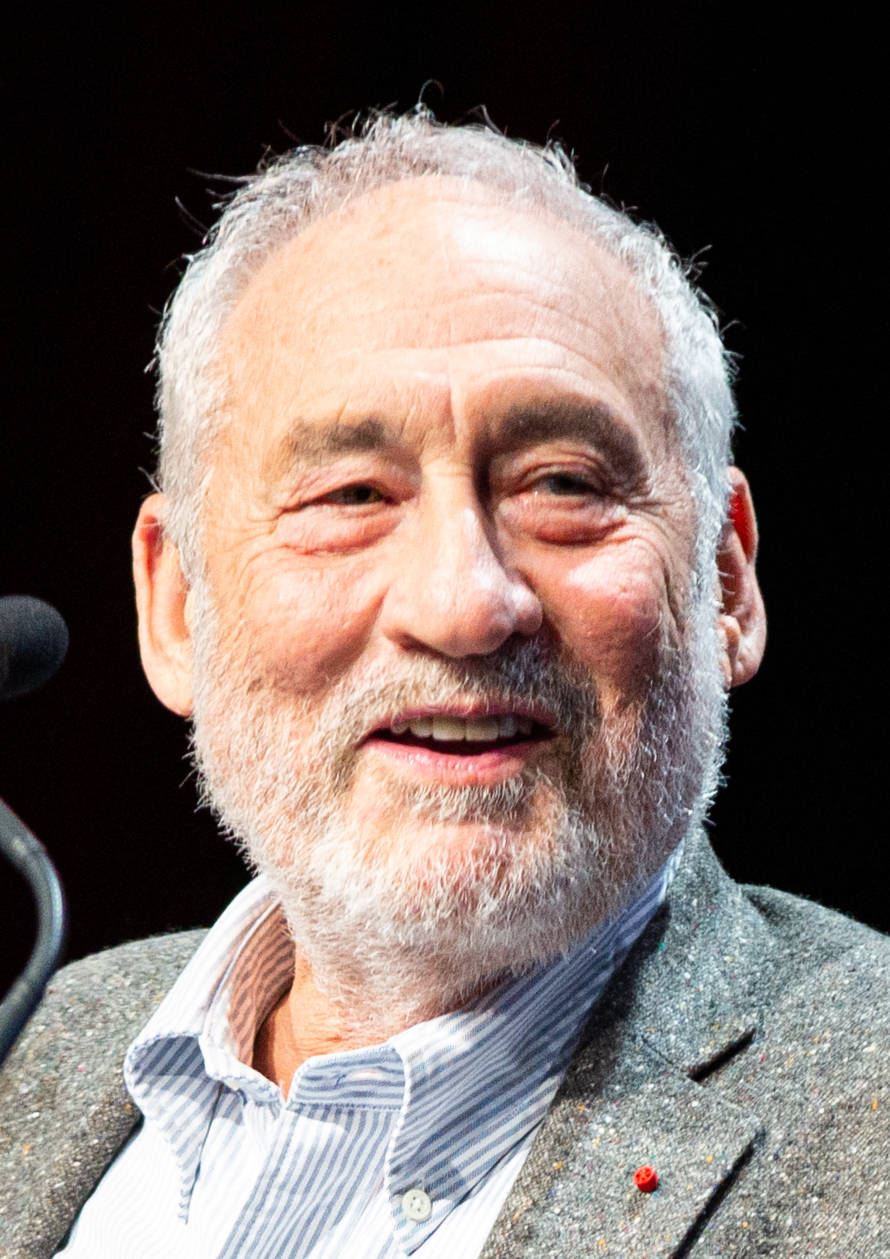
As we delve into the expert page for Joseph E. Stiglitz, one of the most influential economists of our time, it becomes clear that his contributions to the field are as profound as they are far-reaching. With a distinguished career spanning over four decades, Stiglitz has left an indelible mark on the world of economics, shaping the way we think about globalization, free markets, and international development.
Born in 1943 in the United States, Stiglitz's intellectual curiosity was evident from an early age. His academic prowess earned him a place at Amherst College, where he graduated magna cum laude in 1964. He went on to earn his Ph.D. in economics from MIT in 1967 and began his illustrious career as a professor of economics at Yale University.
Stiglitz's groundbreaking work has been recognized with numerous accolades, including the Nobel Memorial Prize in Economic Sciences in 2001, awarded for his contributions to the field of economic theory, particularly in the area of information asymmetry. This prestigious honor is a testament to his tireless efforts to understand and address the complexities of modern economies.
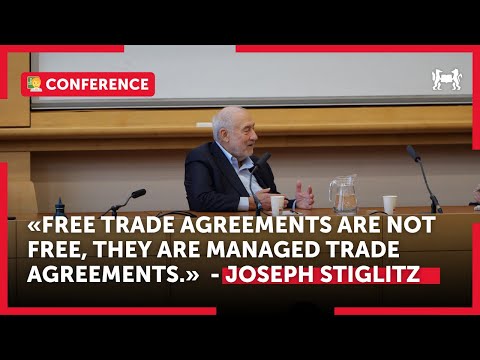
One of the most significant aspects of Stiglitz's work is his critique of laissez-faire economics, which he has dubbed "free-market fundamentalism." In a clip from our archive, recorded in 2002, Stiglitz argues that this ideology has led to widespread inequality and instability. He contends that the free market, left unchecked, can lead to catastrophic consequences, including financial crises and environmental degradation.
Stiglitz's advocacy for a more equitable world is also evident in his support for Georgist public finance theory. In an interview with our team (clip available on MarketVault), he explains how this approach seeks to redistribute wealth through progressive taxation, rather than relying solely on market forces. This nuanced understanding of economics has far-reaching implications for policymakers and scholars alike.
As a former senior vice president and chief economist of the World Bank, Stiglitz has had a front-row seat to the inner workings of international institutions. His experiences have led him to question the effectiveness of these organizations in promoting global development. In a 2000 lecture (available on our platform), he critiques the International Monetary Fund's (IMF) approach to economic policy, arguing that it prioritizes short-term stability over long-term growth and equity.
Stiglitz's commitment to public service extends beyond his academic pursuits. He has served as a member and chairman of the U.S. Council of Economic Advisers, providing expert guidance on key policy issues. His tenure at this position was marked by a series of high-profile debates with laissez-faire economists, who he argued were out of touch with the needs of ordinary people.
In 2000, Stiglitz founded the Initiative for Policy Dialogue (IPD), a think tank dedicated to promoting sustainable development and reducing poverty. This organization has become a hub for innovative research and policy analysis, with a focus on addressing the complex challenges facing developing countries.
Throughout his career, Stiglitz has been recognized for his exceptional academic achievements. He received the John Bates Clark Medal in 1979, awarded by the American Economic Association to recognize outstanding contributions by an economist under the age of 40. His appointment as university professor at Columbia University in 2003 is a testament to his enduring impact on the field.
As we explore Stiglitz's work further, it becomes clear that his significance extends far beyond the realm of economics. His commitment to social justice and human well-being has made him a champion for marginalized communities around the world. While his ideas may not have been directly influential in shaping music history (unlike some other notable economists who shall remain nameless), they have undoubtedly inspired a new generation of thinkers and policymakers to rethink their approach to global development.
In the following sections, we will delve deeper into Stiglitz's key contributions to economic theory, his critique of laissez-faire economics, and his vision for a more equitable world. We will examine the implications of his work for policymakers, scholars, and ordinary people seeking to build a better future.
Curated from public records and music databases.
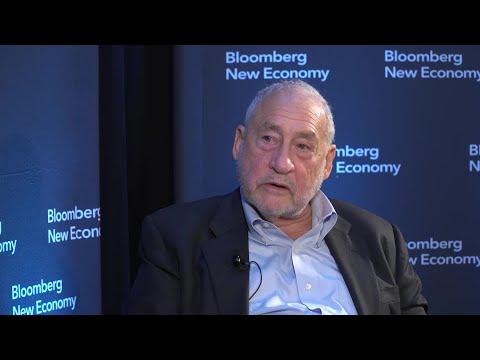
![Thumbnail for [Review] People, Power, and Profits (Joseph E. Stiglitz) summarized. by Joseph E. Stiglitz](https://img.youtube.com/vi/5NIOPBzFeew/hqdefault.jpg)
![Thumbnail for [Review] The Price of Inequality (Joseph E. Stiglitz) Summarized by Joseph E. Stiglitz](https://img.youtube.com/vi/ZYUcx7KyxQs/hqdefault.jpg)