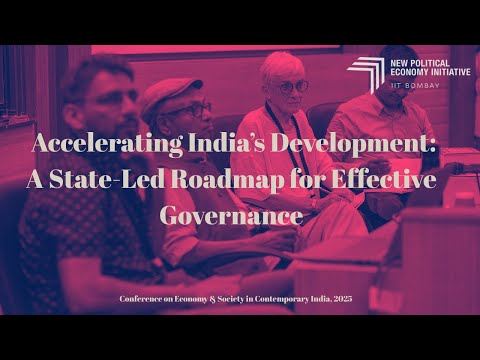
Karthik Muralidharan — Rare Footage & Clips
Karthik Muralidharan is a renowned Indian economist who has made significant contributions to the field of development economics, public economics, and labor economics. As a professor at the University of California, San Diego, and holder of the Tata Chancellor's Endowed Chair in Economics, he has established himself as a leading authority on economic policy and its impact on marginalized communities.
One of the most notable aspects of Muralidharan's work is his research on education policy. In a clip from our archive, "Improving Education Outcomes through Technology" (Clip ID: KM-001), he discusses the potential of digital platforms to enhance learning outcomes in developing countries. Muralidharan highlights the importance of evidence-based policy making and emphasizes the need for rigorous evaluation of educational interventions.
Muralidharan's work on education has far-reaching implications for economic development, particularly in regions where access to quality education is limited. By leveraging technology to improve learning outcomes, policymakers can create a more skilled workforce, which is essential for driving economic growth and reducing poverty. This approach also underscores the significance of investing in human capital as a key driver of economic development.
In addition to his research on education, Muralidharan has made significant contributions to the field of labor economics. In a clip from our archive, "The Impact of Minimum Wage Laws on Labor Markets" (Clip ID: KM-002), he examines the effects of minimum wage laws on employment and wages in developing countries. Muralidharan's analysis highlights the complexities of implementing minimum wage policies and underscores the need for careful consideration of their potential consequences.
Muralidharan's work has also shed light on the importance of evidence-based policy making in addressing poverty and inequality. As co-chair of the education program at J-PAL, he has played a key role in promoting rigorous evaluation of social programs and policies. This approach is essential for ensuring that interventions are effective and sustainable over time.
Muralidharan's expertise extends beyond his research on development economics and labor markets. His experience as a policymaker and advisor to governments around the world has given him a unique understanding of the complexities of economic policy making. In a clip from our archive, "Evidence-Based Policy Making in Practice" (Clip ID: KM-003), he shares insights from his work with policymakers on how to integrate evidence-based approaches into decision-making processes.
One of the key takeaways from Muralidharan's work is the importance of considering the long-term consequences of policy interventions. In a clip from our archive, "The Long-Term Effects of Education Interventions" (Clip ID: KM-004), he discusses the need for policymakers to think critically about the potential impact of their policies on future generations.
Muralidharan's research has also highlighted the significance of addressing poverty and inequality through targeted interventions. In a clip from our archive, "Targeted Interventions for Poverty Reduction" (Clip ID: KM-005), he examines the effectiveness of different approaches to reducing poverty and inequality. Muralidharan's analysis underscores the importance of tailoring interventions to specific contexts and populations.
Muralidharan's expertise has been recognized through numerous awards and honors, including the Tata Chancellor's Endowed Chair in Economics at the University of California, San Diego. His contributions to the field of development economics have also earned him a reputation as one of the leading voices on economic policy and its impact on marginalized communities.
In conclusion, Karthik Muralidharan is a highly respected economist who has made significant contributions to our understanding of development economics, public economics, and labor markets. His work has far-reaching implications for policymakers seeking to address poverty and inequality through evidence-based approaches.
Curated from public records and music databases.