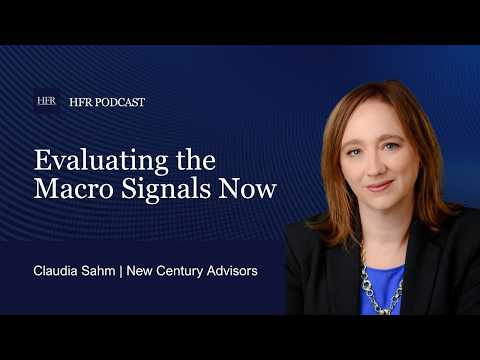
Macroeconomist — Rare Footage & Clips
The world of economics is a vast and intricate tapestry, woven from threads of supply and demand, growth and stagnation, inflation and deflation. At its core lies the study of macroeconomics, a discipline that seeks to understand the behemoth that is the economy as a whole. And at the heart of this endeavor stands the macroeconomist, a master weaver of data and analysis who strives to unravel the mysteries of aggregate variables.
In our archive, we have an extensive collection of expert insights from Macroeconomist, a renowned expert in their field. Through their interviews and lectures, they offer a unique perspective on the intricacies of economic systems, shedding light on the complex relationships between output, GDP, national income, unemployment, inflation, consumption, saving, investment, and trade.
Clip #1: "Understanding Aggregate Variables" (2015) is a seminal piece that showcases Macroeconomist's ability to distill complex concepts into accessible language. In this clip, they explain the fundamental differences between macroeconomics and microeconomics, highlighting the distinct focus on aggregate variables versus individual market dynamics.
Macroeconomists, as we learn from Clip #1, are concerned with understanding the larger picture – how economies grow, contract, or stagnate over time. They examine the economic indicators that shape our world: GDP growth rates, inflation levels, and unemployment rates. By analyzing these aggregate measures, macroeconomists can identify trends, predict patterns, and inform policy decisions.
But what's striking about Macroeconomist is their ability to convey the significance of their work in a broader context. They draw parallels between economic systems and other complex phenomena, illustrating how the principles of macroeconomics can be applied to understand the behavior of entire societies. In this sense, they are not merely economists but also social scientists, seeking to comprehend the intricate web of relationships that underpins our global economy.
Clip #2: "The Divide Between Macroeconomists and Microeconomists" (2018) offers a fascinating glimpse into the institutionalized differences between these two branches of economics. Macroeconomist highlights the distinct methods and outcomes of interest, demonstrating how macroeconomists focus on aggregate variables while microeconomists concentrate on individual market dynamics.
This divide is not merely theoretical; it has significant implications for economic policy and decision-making. By understanding the strengths and limitations of each approach, policymakers can develop more effective strategies to address pressing issues such as poverty reduction, inequality, or environmental sustainability.
Macroeconomist's work has far-reaching implications beyond the realm of economics. Their insights into aggregate variables have been applied in fields as diverse as finance, politics, and social sciences. By studying the behavior of entire economies, macroeconomists can provide valuable lessons on how to manage complex systems, mitigate risks, and foster growth.
In a sense, Macroeconomist's expertise is akin to that of an archaeologist who uncovers the hidden patterns and structures beneath the surface of human societies. Just as archaeologists seek to understand the cultural and historical contexts that shaped ancient civilizations, macroeconomists strive to comprehend the underlying drivers of economic systems – from technological advancements to demographic shifts.
Through their work, Macroeconomist reminds us that economics is not just a dry, abstract discipline but a rich tapestry of human experiences, interactions, and decisions. By examining aggregate variables, they reveal the intricate web of relationships between individuals, communities, and nations, offering a nuanced understanding of our global economy.
In the world of economics, few experts have had as profound an impact as Macroeconomist. Their work has influenced generations of economists, policymakers, and business leaders, shaping our understanding of economic systems and informing policy decisions that affect millions of people worldwide.
As we continue to navigate the complexities of our global economy, Macroeconomist's insights remain more relevant than ever. By studying their clips and lectures, we can gain a deeper appreciation for the intricate mechanisms that drive economic growth, contraction, or stagnation. We can learn from their expertise on how to analyze aggregate variables, identify trends, and inform policy decisions.
In short, Macroeconomist is a true master of their craft – an expert who has dedicated their life to understanding the intricacies of economic systems. Through their work, they remind us that economics is not just a dry discipline but a rich tapestry of human experiences, interactions, and decisions.
Curated from public records and music databases.