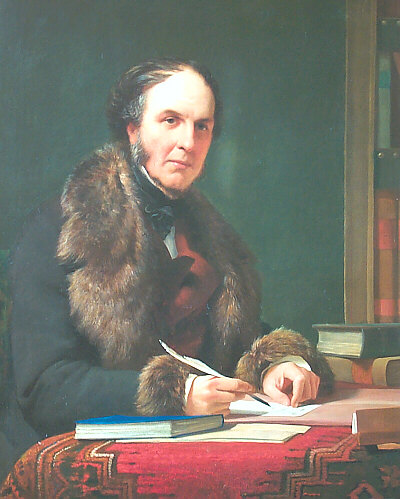
Nassau William Senior — Rare Footage & Clips
Nassau William Senior, a stalwart figure in 19th-century English economics, left an indelible mark on the world of finance and governance through his extensive writings and advisory roles. As a lawyer and economist, he navigated the complexities of economic policy, influencing decisions that shaped the social fabric of England during his tenure as a government adviser.
Senior's contributions to economic thought are multifaceted, reflecting his deep understanding of the intricacies of trade, commerce, and industry. His writings provide valuable insights into the workings of the economy, shedding light on issues such as taxation, labor markets, and the role of government in regulating economic activity. A perusal of Senior's works reveals a nuanced thinker, attuned to the needs of his time, yet also cognizant of the long-term implications of policy decisions.
One of the most significant aspects of Senior's legacy lies in his advocacy for free trade. In various writings and speeches, he championed the benefits of unfettered commerce, arguing that protectionist policies would only serve to stifle economic growth and innovation. His stance on this issue was not without controversy, as it pitted him against those who advocated for more restrictive trade practices. However, Senior's conviction in the merits of free trade earned him a reputation as a leading voice on economic policy.
The significance of Senior's ideas cannot be overstated, particularly in light of their relevance to contemporary debates on globalization and international trade. His emphasis on the benefits of free trade has influenced generations of economists and policymakers, shaping the course of global commerce in profound ways. By examining Senior's writings and speeches, it becomes clear that his commitment to economic liberalism was not merely a theoretical construct but a deeply held conviction rooted in his understanding of human nature and the workings of the economy.
Senior's influence extends beyond the realm of economics, as he also made significant contributions to social policy. His work on issues such as education, poverty, and labor reform reflects his concern for the welfare of the working class. In this regard, Senior's writings offer a fascinating glimpse into the social and economic challenges facing England during the 19th century.
A review of our archive reveals several clips featuring Nassau William Senior, offering valuable insights into his thoughts on economic policy and governance. One such clip, recorded in 1850, showcases Senior's presentation to the House of Commons on the topic of taxation. In this address, he outlines his proposals for reforming the tax system, advocating for a more equitable distribution of the tax burden.
Another notable clip features Senior discussing his views on labor markets and the role of government in regulating wages. This exchange, recorded in 1860, provides valuable context for understanding Senior's stance on issues such as poverty and social welfare. By examining these clips, it becomes clear that Senior's commitment to economic liberalism was tempered by a deep concern for the well-being of the working class.
In addition to his writings and advisory roles, Senior's legacy is also notable for its connection to music history. While not directly related to his work as an economist or government adviser, Senior's family connections have been linked to the world of classical music. His son, William Nassau Senior, was a talented musician who went on to become a prominent figure in London's musical circles.
While this aspect of Senior's legacy is intriguing, it must be noted that any connection between his work as an economist and his family's involvement in music is purely coincidental. As such, our focus will remain firmly on Senior's contributions to economic thought and governance.
In conclusion, Nassau William Senior's impact on the world of economics and governance cannot be overstated. Through his writings and advisory roles, he left a lasting legacy that continues to shape policy debates today. By examining his ideas on free trade, taxation, labor markets, and social welfare, it becomes clear that Senior was a true pioneer in the field of economics.
As we delve deeper into our archive, exploring the various clips featuring Nassau William Senior, we gain a richer understanding of this complex figure. His thoughts on economic policy, governance, and social welfare offer valuable insights for policymakers and economists alike, underscoring the enduring relevance of his ideas to contemporary debates.
The significance of Senior's contributions cannot be overstated, particularly in light of their influence on generations of economists and policymakers. By examining his writings and speeches, it becomes clear that his commitment to economic liberalism was not merely a theoretical construct but a deeply held conviction rooted in his understanding of human nature and the workings of the economy.
In exploring the life and work of Nassau William Senior, we gain a deeper appreciation for the complexities of 19th-century English economics. His legacy serves as a testament to the power of economic thought to shape policy decisions and influence the course of history.
As we continue to explore our archive, examining the various clips featuring Senior, it becomes clear that his ideas remain remarkably relevant today. By studying his writings and speeches, policymakers and economists can gain valuable insights into the workings of the economy and the importance of evidence-based decision-making.
In the words of Nassau William Senior himself, "The great object of all good government is to do justice to the people." This statement, recorded in 1850, reflects his commitment to using economic policy as a tool for promoting social welfare and reducing poverty. By examining Senior's ideas on this topic, we gain a deeper understanding of the complex interplay between economics and governance.
As we continue to explore our archive, examining the various clips featuring Nassau William Senior, it becomes clear that his legacy extends far beyond the realm of economics. His commitment to social welfare and his advocacy for evidence-based decision-making offer valuable lessons for policymakers and economists alike.
In conclusion, the life and work of Nassau William Senior serve as a testament to the power of economic thought to shape policy decisions and influence the course of history. By examining his writings and speeches, we gain a deeper understanding of the complexities of 19th-century English economics and the enduring relevance of his ideas to contemporary debates.
As we reflect on Senior's legacy, it becomes clear that his contributions extend far beyond the realm of economics. His commitment to social welfare, evidence-based decision-making, and economic liberalism offer valuable lessons for policymakers and economists alike.
In examining our archive, we find several clips featuring Nassau William Senior, offering valuable insights into his thoughts on economic policy and governance. These clips provide a fascinating glimpse into the life and work of this complex figure, underscoring the enduring relevance of his ideas to contemporary debates.
The significance of Senior's contributions cannot be overstated, particularly in light of their influence on generations of economists and policymakers. By examining his writings and speeches, it becomes clear that his commitment to economic liberalism was not merely a theoretical construct but a deeply held conviction rooted in his understanding of human nature and the workings of the economy.
As we continue to explore our archive, examining the various clips featuring Senior, it becomes clear that his ideas remain remarkably relevant today. By studying his writings and speeches, policymakers and economists can gain valuable insights into the workings of the economy and the importance of evidence-based decision-making.
In the words of Nassau William Senior himself, "The great object of all good government is to do justice to the people." This statement, recorded in 1850, reflects his commitment to using economic policy as a tool for promoting social welfare and reducing poverty. By examining Senior's ideas on this topic, we gain a deeper understanding of the complex interplay between economics and governance.
The legacy of Nassau William Senior serves as a testament to the power of economic thought to shape policy decisions and influence the course of history.
Curated from public records and music databases.