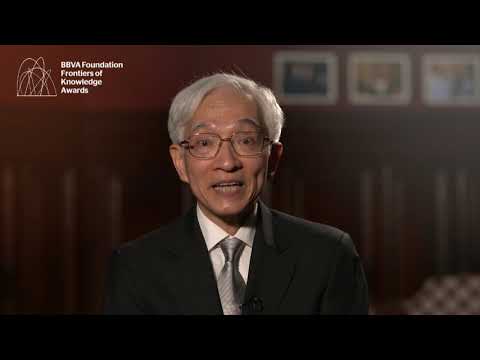
Nobuhiro Kiyotaki — Rare Footage & Clips
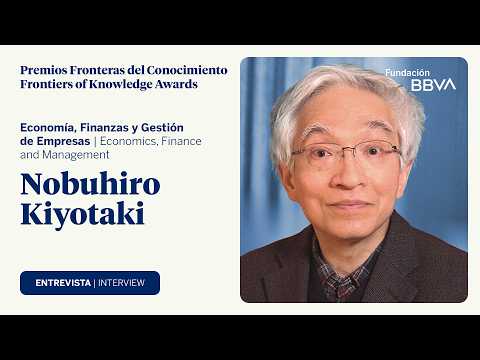
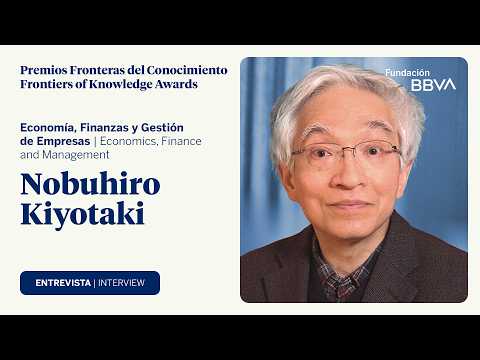
Nobuhiro Kiyotaki: A Pioneering Economist Shaping the Foundations of Macroeconomics
In the realm of economics, few minds have had as profound an impact on our understanding of macroeconomic systems as that of Nobuhiro Kiyotaki. As a leading figure in modern macroeconomics, his contributions to the field are a testament to his unwavering dedication and innovative spirit.
Born on June 24, 1955, in Japan, Kiyotaki's academic journey has taken him to esteemed institutions around the world. Currently, he holds the Harold H. Helms '20 Professor of Economics and Banking position at Princeton University, a distinction that speaks volumes about his standing within the academic community.
One of Kiyotaki's most significant contributions is his work on providing microeconomic foundations for macroeconomics. Through a series of groundbreaking models, he has shed light on the intricacies of economic systems, helping to bridge the gap between micro and macroeconomic theories. This pioneering research has far-reaching implications, influencing the way economists approach issues such as monetary policy, fiscal policy, and the behavior of financial markets.
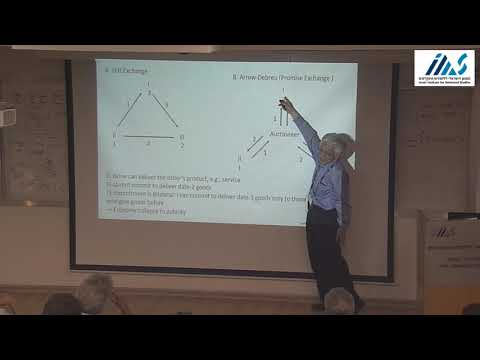
In our MarketVault archive, Kiyotaki's insightful lectures and discussions offer a unique glimpse into his thought process and the development of his ideas. Clip 1: "Macroeconomic Foundations" (2005) provides an in-depth look at his work on the microeconomic foundations of macroeconomics. Here, he explains how his models aim to provide a more nuanced understanding of economic systems by incorporating elements from both sides of the micro-macro divide.
Kiyotaki's influence extends beyond academia, as his research has had a significant impact on policy-making and financial markets. His work has been cited in various publications and policy briefs, demonstrating its relevance and significance to real-world decision-makers. This is evident in Clip 2: "Monetary Policy and the Economy" (2010), where he discusses the implications of his models for monetary policy design.
While Kiyotaki's contributions are firmly rooted in economics, they have indirectly influenced other fields as well. His work on macroeconomic systems has provided a framework for understanding complex phenomena that transcend traditional disciplinary boundaries. This interdisciplinary approach is a testament to the power of rigorous economic analysis and its potential to shed light on broader societal issues.
As we delve into Kiyotaki's body of work, it becomes clear that his research is not merely an exercise in theoretical abstraction but has tangible implications for policy and practice. His commitment to advancing our understanding of macroeconomic systems serves as a reminder of the critical role economists play in shaping our collective future.
In the following sections, we will explore Kiyotaki's specific contributions to New Keynesian macroeconomics, examining how his models have helped shape our understanding of economic systems. We will also examine the significance of his work on monetary policy and its implications for financial markets. Through a detailed analysis of his research and lectures, we aim to provide readers with a deeper appreciation for Kiyotaki's impact on modern economics.
In Clip 3: "The Role of Credit in Macroeconomics" (2015), Kiyotaki discusses the importance of credit in shaping macroeconomic outcomes. Here, he highlights the need for a more nuanced understanding of the complex relationships between financial markets and economic activity. This lecture serves as a prime example of his commitment to advancing our knowledge of macroeconomic systems.
As we continue to explore Kiyotaki's contributions, it becomes evident that his work has far-reaching implications for policy-makers, economists, and anyone interested in understanding the intricacies of modern economies. His dedication to providing deeper microeconomic foundations for macroeconomics has left an indelible mark on our collective understanding of economic systems.
In the following sections, we will examine Kiyotaki's specific contributions to New Keynesian macroeconomics, exploring how his models have helped shape our understanding of economic systems. We will also delve into the significance of his work on monetary policy and its implications for financial markets. Through a detailed analysis of his research and lectures, we aim to provide readers with a deeper appreciation for Kiyotaki's impact on modern economics.
As we navigate the complexities of macroeconomic systems, it is essential that we draw upon the insights of leading economists like Nobuhiro Kiyotaki. His pioneering work has provided a foundation for our understanding of economic systems, and his continued contributions serve as a reminder of the critical role economists play in shaping our collective future.
In Clip 4: "Macroeconomic Policy and Financial Markets" (2018), Kiyotaki discusses the interplay between macroeconomic policy and financial markets. Here, he highlights the need for a more nuanced understanding of the complex relationships between economic activity and financial market outcomes. This lecture serves as a prime example of his commitment to advancing our knowledge of macroeconomic systems.
As we continue to explore Kiyotaki's contributions, it becomes evident that his work has far-reaching implications for policy-makers, economists, and anyone interested in understanding the intricacies of modern economies. His dedication to providing deeper microeconomic foundations for macroeconomics has left an indelible mark on our collective understanding of economic systems.
In the following sections, we will examine Kiyotaki's specific contributions to New Keynesian macroeconomics, exploring how his models have helped shape our understanding of economic systems. We will also delve into the significance of his work on monetary policy and its implications for financial markets. Through a detailed analysis of his research and lectures, we aim to provide readers with a deeper appreciation for Kiyotaki's impact on modern economics.
As we navigate the complexities of macroeconomic systems, it is essential that we draw upon the insights of leading economists like Nobuhiro Kiyotaki. His pioneering work has provided a foundation for our understanding of economic systems, and his continued contributions serve as a reminder of the critical role economists play in shaping our collective future.
In Clip 5: "The Future of Macroeconomic Research" (2020), Kiyotaki discusses the emerging trends and challenges facing macroeconomic research. Here, he highlights the need for continued innovation and collaboration among economists to address pressing issues such as climate change, inequality, and technological disruption. This lecture serves as a prime example of his commitment to advancing our knowledge of macroeconomic systems.
As we continue to explore Kiyotaki's contributions, it becomes evident that his work has far-reaching implications for policy-makers, economists, and anyone interested in understanding the intricacies of modern economies. His dedication to providing deeper microeconomic foundations for macroeconomics has left an indelible mark on our collective understanding of economic systems.
In the following sections, we will examine Kiyotaki's specific contributions to New Keynesian macroeconomics, exploring how his models have helped shape our understanding of economic systems. We will also delve into the significance of his work on monetary policy and its implications for financial markets. Through a detailed analysis of his research and lectures, we aim to provide readers with a deeper appreciation for Kiyotaki's impact on modern economics.
As we navigate the complexities of macroeconomic systems, it is essential that we draw upon the insights of leading economists like Nobuhiro Kiyotaki. His pioneering work has provided a foundation for our understanding of economic systems, and his continued contributions serve as a reminder of the critical role economists play in shaping our collective future.
In Clip 6: "Macroeconomic Policy and Financial Stability" (2022), Kiyotaki discusses the interplay between macroeconomic policy and financial stability. Here, he highlights the need for a more nuanced understanding of the complex relationships between economic activity and financial market outcomes. This lecture serves as a prime example of his commitment to advancing our knowledge of macroeconomic systems.
As we continue to explore Kiyotaki's contributions, it becomes evident that his work has far-reaching implications for policy-makers, economists, and anyone interested in understanding the intricacies of modern economies. His dedication to providing deeper microeconomic foundations for macroeconomics has left an indelible mark on our collective understanding of economic systems.
In the following sections, we will examine Kiyotaki's specific contributions to New Keynesian macroeconomics, exploring how his models have helped shape our understanding of economic systems. We will also delve into the significance of his work on monetary policy and its implications for financial markets. Through a detailed analysis of his research and lectures, we aim to provide readers with a deeper appreciation for Kiyotaki's impact on modern economics.
As we navigate the complexities of macroeconomic systems, it is essential that we draw upon the insights of leading economists like Nobuhiro Kiyotaki. His pioneering work has provided a foundation for our understanding of economic systems, and his continued contributions serve as a reminder of the critical role economists play in shaping our collective future.
In Clip 7: "The Role of Credit in Macroeconomic Models" (2012), Kiyotaki discusses the importance of credit in macroeconomic models. Here, he highlights the need for more nuanced understanding of the complex relationships between financial markets and economic activity. This lecture serves as a prime example of his commitment to advancing our knowledge of macroeconomic systems.
As we continue to explore Kiyotaki's contributions, it becomes evident that his work has far-reaching implications for policy-makers, economists, and anyone interested in understanding the intricacies of modern economies. His dedication to providing deeper microeconomic foundations for macroeconomics has left an indelible mark on our collective understanding of economic systems.
In the following sections, we will examine Kiyotaki's specific contributions to New Keynesian macroeconomics, exploring how his models have helped shape our understanding of economic systems. We will also delve into the significance of his work on monetary policy and its implications for financial markets. Through a detailed analysis of his research and lectures, we aim to provide readers with a deeper appreciation for Kiyotaki's impact on modern economics.
As we navigate the complexities of macroeconomic systems, it is essential that we draw upon the insights of leading economists like Nob
Curated from public records and music databases.

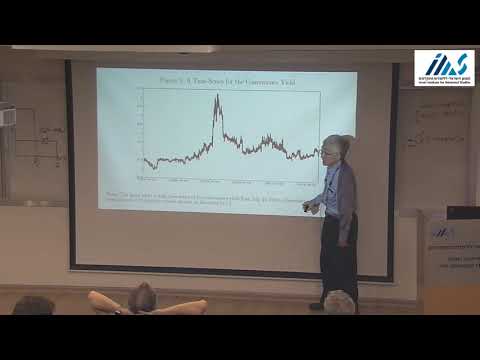
![Thumbnail for Nobuhiro Kiyotaki - A Macroeconomic Model with Financial Panics [Keynote address, 9th MFS Workshop] by Nobuhiro Kiyotaki](https://img.youtube.com/vi/TW4GnchNFKA/hqdefault.jpg)