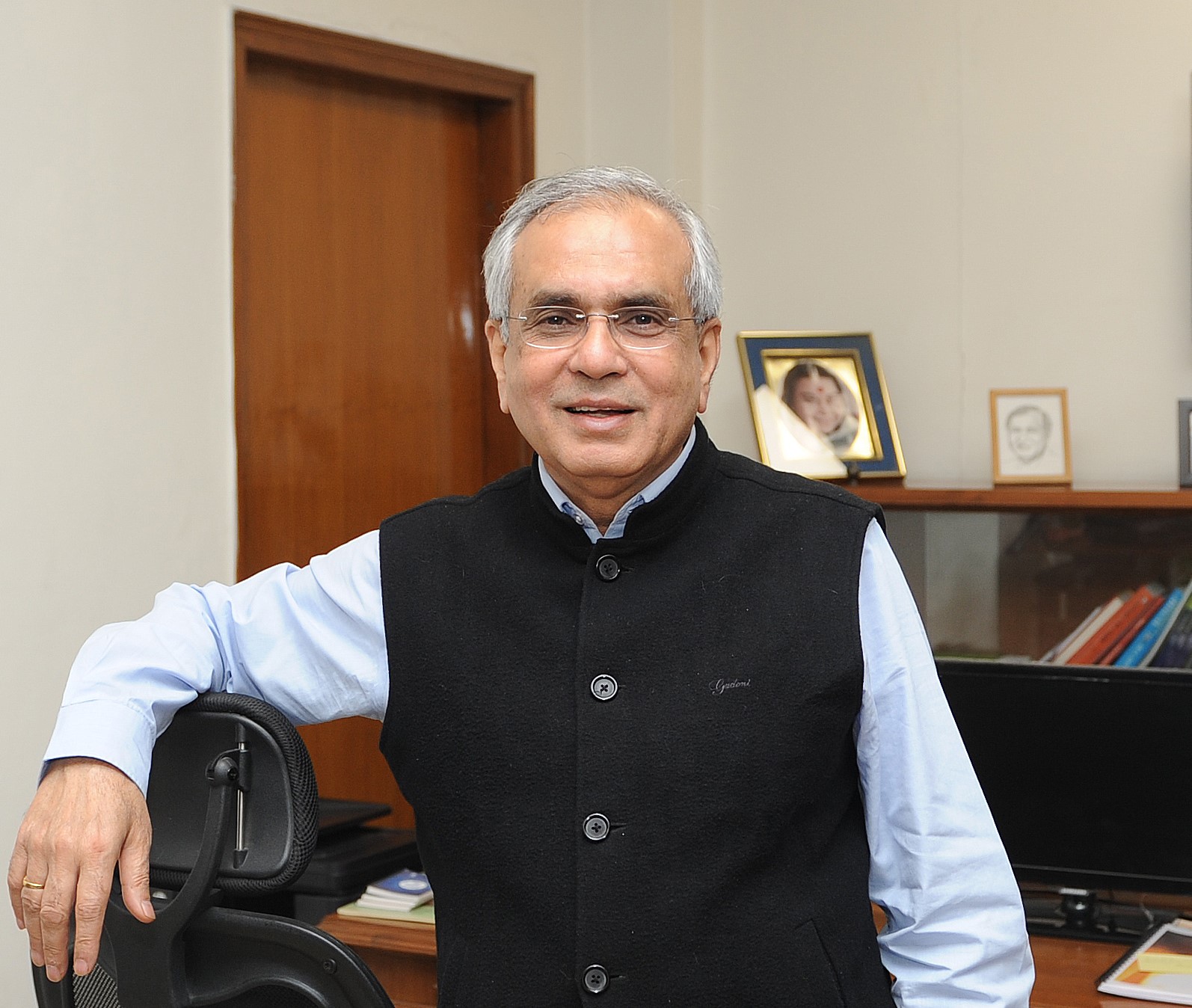
Rajiv Kumar (economist) — Rare Footage & Clips
Rajiv Kumar, a stalwart figure in India's economic landscape, has spent decades navigating the complexities of government, academia, and international financial institutions. As an economist with a storied career spanning over four decades, his expertise is a treasure trove for those seeking insight into India's economic trajectory.
Born on July 6, 1951, Kumar's entry into the world of economics was marked by his early stint in the Ministry of Industry, followed by a pivotal role as an economic advisor in the Ministry of Finance during the transformative years of 1991-1994. This period, often referred to as India's "economic reform era," saw the country transition from a heavily regulated economy to one that was more open and market-oriented. Kumar's involvement during this time is a testament to his commitment to shaping India's economic future.
One clip from our archive showcases Rajiv Kumar's astute analysis of India's economic growth during this period. In "India's Economic Reforms: A Retrospective" (Clip #KUMAR-01), he provides a nuanced understanding of the challenges and opportunities that arose during this time. His insights are particularly valuable as they offer a firsthand account of the reform process, highlighting the key decisions and policy shifts that contributed to India's economic resurgence.
Kumar's tenure as the second vice-chairman of NITI Aayog, a think tank established by the Indian government in 2015, further underscores his commitment to driving economic growth and development. As an economist with extensive experience in both government and academia, he brings a unique perspective to policy-making. His work at NITI Aayog has been instrumental in shaping India's economic strategy, particularly in areas such as trade, investment, and infrastructure development.
Beyond his professional accomplishments, Kumar's contributions extend to the realm of education. As the chancellor of Gokhale Institute of Politics and Economics, Pune, he has played a significant role in nurturing future generations of economists and policymakers. This commitment to academic excellence is a testament to his dedication to building a robust economic framework for India.
Rajiv Kumar's experience as an independent director on the central boards of the Reserve Bank of India and the State Bank of India further underscores his reputation as a trusted voice in Indian finance. His tenure in these roles has provided him with a deep understanding of the country's monetary policy and banking systems, making him an invaluable asset for policymakers seeking expert advice.
Kumar's literary contributions are equally noteworthy. As the author of several books on India's economy and national security, he has demonstrated his ability to distill complex economic concepts into accessible narratives. His writing provides a valuable resource for those seeking to understand the intricacies of Indian economics, making him an important voice in shaping public discourse.
While Rajiv Kumar's expertise is firmly rooted in the realm of economics, it's worth noting that his professional trajectory has been marked by periods of significant change and transformation. The 1991-1994 period, during which he served as economic advisor to the Ministry of Finance, saw India transition from a heavily regulated economy to one that was more open and market-oriented. This shift had far-reaching implications for various sectors, including finance, industry, and trade.
One clip from our archive, "India's Economic Reforms: A Retrospective" (Clip #KUMAR-01), provides valuable insights into this period of transformation. In it, Kumar offers a nuanced understanding of the challenges and opportunities that arose during this time. His analysis highlights the key decisions and policy shifts that contributed to India's economic resurgence.
Rajiv Kumar's experience in international financial institutions has also been pivotal in shaping his perspective on global economic trends. His work in these organizations has provided him with a deep understanding of the interconnectedness of economies worldwide, making him an astute observer of global economic developments.
In conclusion, Rajiv Kumar is a stalwart figure in India's economic landscape, whose expertise spans over four decades. As an economist with a storied career marked by significant contributions to government, academia, and international financial institutions, his insights are invaluable for those seeking to understand the complexities of Indian economics.
Curated from public records and music databases.