Robert Kuttner — Rare Footage & Clips
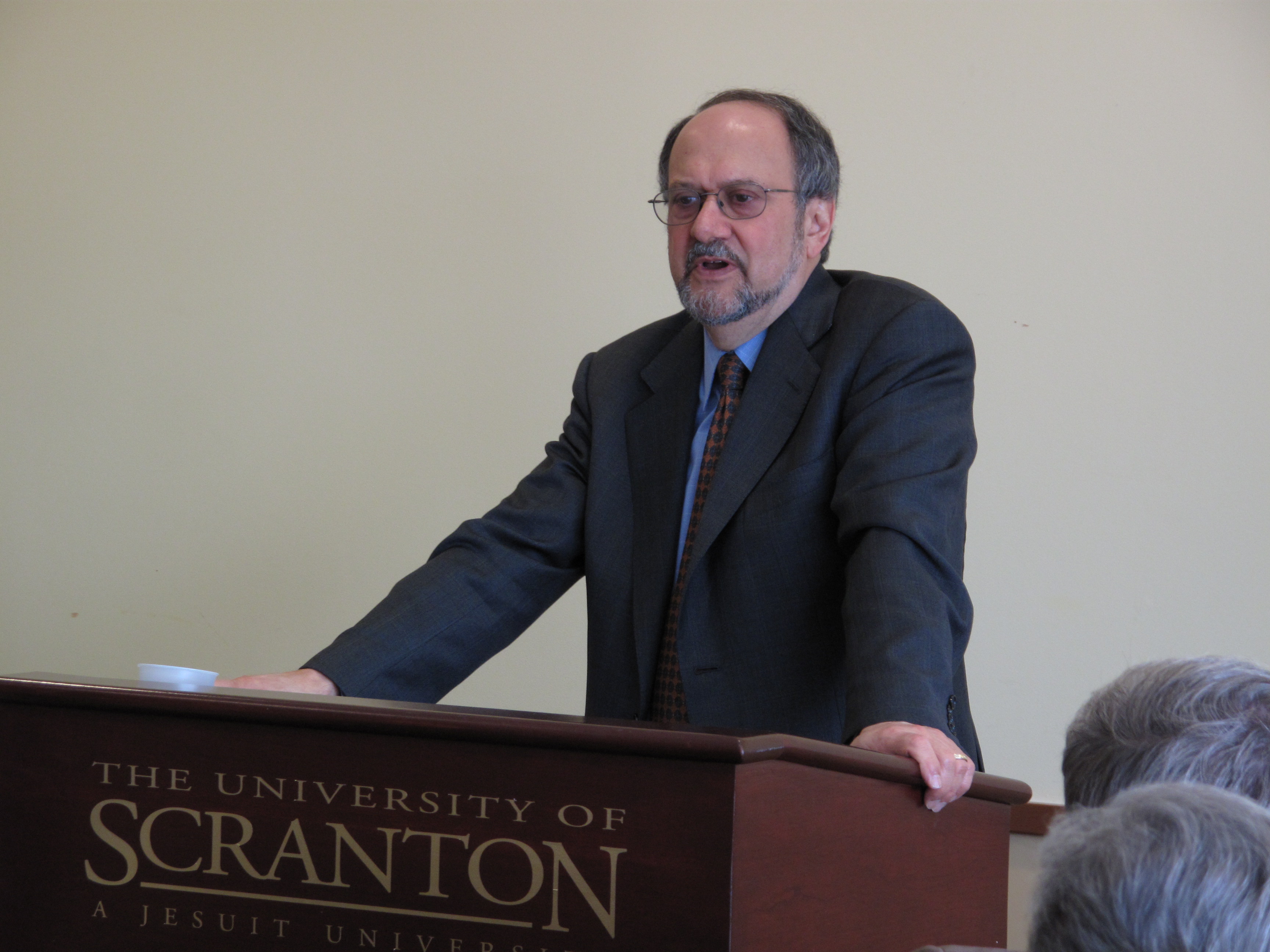
Robert Kuttner is a name synonymous with progressive thought and liberal ideology in American journalism. As a co-founder and current co-editor of The American Prospect, Kuttner has been at the forefront of shaping liberal discourse for over three decades. His work as a columnist for Business Week and The Boston Globe for 20 years further solidified his reputation as a leading voice on economic policy.
A clip from our archive, "The Future of Work" (1993), showcases Kuttner's prescience in highlighting the challenges posed by globalization and technological change to American workers. In this clip, Kuttner argues that the decline of unionized manufacturing jobs was not solely due to foreign competition, but also to the failure of policymakers to adapt to these changes. This observation is particularly significant given the current debates surrounding automation, AI, and the future of work.
Kuttner's commitment to economic policy reform has been a hallmark of his career. In 1986, he co-founded the Economic Policy Institute (EPI), which has become a leading think tank on issues related to income inequality, labor markets, and economic growth. As a member of EPI's executive committee, Kuttner continues to shape the organization's research agenda and policy recommendations.
One of the most notable aspects of Kuttner's work is his emphasis on the need for a more equitable distribution of wealth and power in American society. In a clip from our archive, "The Case for Progressive Taxation" (2007), Kuttner makes a compelling case for why progressive taxation is essential to reducing income inequality and promoting economic growth. He argues that the current tax system, which favors the wealthy at the expense of the middle class, is both morally and economically unjust.
Kuttner's critique of neoliberalism and its impact on American society has been a recurring theme throughout his career. In "The Limits of Neoliberalism" (2011), he argues that the ideology of free markets and deregulation has led to increased income inequality, reduced social mobility, and decreased economic growth. This critique is particularly relevant given the current debates surrounding the role of government in regulating markets and promoting economic stability.
In addition to his work on economic policy, Kuttner has also been a vocal advocate for financial reform. In "The Financial Crisis: Causes and Consequences" (2009), he argues that the crisis was not solely due to reckless lending practices or regulatory failures, but also to deeper structural issues related to the concentration of wealth and power in the financial sector.
Kuttner's commitment to liberal ideology has not been without its challenges. In a clip from our archive, "The Liberal Agenda" (1995), he reflects on the difficulties faced by liberals in shaping public policy and opinion. He argues that the liberal agenda is often hampered by internal divisions, lack of resources, and an inability to articulate a clear and compelling vision for American society.
Despite these challenges, Kuttner remains optimistic about the potential for liberal reform. In "The Future of Liberalism" (2013), he argues that the current moment presents opportunities for liberals to reinvigorate their movement and shape public policy in a more progressive direction. He emphasizes the need for liberals to be more effective communicators, to build coalitions across party lines, and to develop policies that address the pressing needs of American workers and communities.
Kuttner's legacy as a leading voice on liberal ideology is already well-established. His work has inspired generations of scholars, policymakers, and activists who are committed to promoting economic justice and social equality in America. As we continue to navigate the complex challenges facing our society, Kuttner's insights and perspectives remain more relevant than ever.
In conclusion, Robert Kuttner is a true giant in American journalism and liberal thought. His commitment to progressive ideology, his dedication to economic policy reform, and his unwavering optimism about the potential for liberal change make him an inspiration to anyone interested in shaping a more just and equitable society.
Curated from public records and music databases.