
C. Fred Bergsten
About C. Fred Bergsten
C. Fred Bergsten (born April 23, 1941) is an American economist, author, think tank entrepreneur, and policy adviser. He has served as assistant for international economic affairs to Henry Kissinger within the National Security Council and as assistant secretary for international affairs at the U.S. Department of the Treasury. He was the founding director of the Peterson Institute for International Economics, until 2006 the Institute for International Economics, which he established in 1981 and led through 2012. In addition to his academic work, he has been an influential public commentator and advisor to the American and global economic policy community, writing for influential periodicals such as Foreign Affairs magazine and by writing numerous books.
Read more on Wikipedia →Origin
C. Fred Bergsten — Rare Footage & Clips
C. Fred Bergsten is a stalwart figure in the world of international economics, his expertise spanning decades and traversing multiple realms of policy-making and academia. As an economist, author, think tank entrepreneur, and policy adviser, he has left an indelible mark on global economic discourse.
Bergsten's storied career began within the National Security Council, where he served as assistant for international economic affairs to none other than Henry Kissinger in the 1970s. This formative experience would later shape his approach to international economics, emphasizing the intricate interplay between politics and finance. His tenure at the U.S. Department of the Treasury further solidified this perspective, as he took on the role of assistant secretary for international affairs.
The Peterson Institute for International Economics, which Bergsten founded in 1981 under its original name, has become a beacon for informed analysis on global economic issues. As its founding director until 2012, he championed a rigorous research agenda that continues to influence policy debates worldwide. The Institute's work has tackled an array of pressing topics, from trade agreements and exchange rates to the impact of globalization.
Bergsten's academic output is equally impressive, with numerous books and articles contributing to his reputation as a preeminent voice in international economics. His writing for influential periodicals such as Foreign Affairs magazine underscores his ability to distill complex economic concepts into accessible language, making him an invaluable resource for policymakers and the broader public alike.
A cursory glance at Bergsten's bibliography reveals a rich tapestry of themes and issues that have defined his work over the years. From the intricacies of international trade agreements to the implications of emerging markets on global stability, his research has consistently pushed the boundaries of our understanding. His commitment to informed policy-making is evident in each carefully crafted argument, as he seeks to illuminate the path forward for policymakers navigating an increasingly complex world.
One notable aspect of Bergsten's career is his ability to balance academic rigor with practical application. As a seasoned policy adviser, he has lent his expertise to numerous governments and international organizations, providing guidance on matters ranging from trade negotiations to financial regulation. This fusion of theory and practice has earned him a reputation as a trusted voice in the global economic community.
Bergsten's legacy extends beyond his own contributions, however. The Peterson Institute for International Economics, which he led for over three decades, has become a hub for innovative research and analysis on international economics. Under his stewardship, the Institute has fostered a new generation of scholars and policymakers, many of whom have gone on to occupy key positions in government and finance.
As an economist, Bergsten's work is characterized by its nuance and sophistication. He has consistently demonstrated an ability to navigate complex economic systems, teasing out the underlying dynamics that shape global markets. His writing often grapples with the intricate relationships between politics, economics, and culture, revealing a deep understanding of the interconnectedness of modern economies.
In addition to his academic work, Bergsten's influence extends into the realm of public commentary. As an influential voice in the media, he has used his platform to shape public discourse on economic issues, from trade policy to monetary regulation. His commitment to clear and accessible communication is evident in each carefully crafted article or op-ed piece.
Bergsten's impact on international economics cannot be overstated. Through his research, writing, and policy advising, he has helped shape the global economic landscape, influencing key decisions that have far-reaching consequences for economies worldwide. As a testament to his enduring legacy, his work continues to inform policy debates and inspire new generations of scholars and policymakers.
The significance of Bergsten's contributions cannot be reduced to a single metric or outcome. Rather, they represent a cumulative effect – a gradual shift in the way we think about international economics and its role in shaping global stability. His influence is evident in the numerous governments, organizations, and individuals who have drawn upon his expertise over the years.
As an expert in his field, Bergsten's work has been characterized by its rigor, nuance, and commitment to practical application. Through his research, writing, and policy advising, he has helped shape the global economic agenda, influencing key decisions that have far-reaching consequences for economies worldwide.
Curated from public records and music databases.
C. Fred Bergsten by Type
Featured
More Clips7 clips
 3:47:41
Replay China Finance Forum - 2022
C. Fred Bergsten
2020sPodcast Clip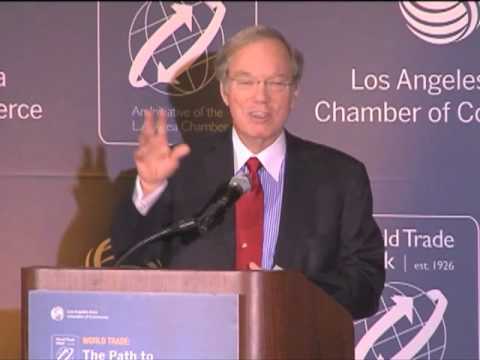 10:00
10:0084th Annual World Trade Week Kickoff Breakfast Keynote Address- Dr. C. Fred Bergesten (Part 1)
C. Fred Bergsten
 1:59:54
Bridging the Pacific: Toward Free Trade and Investment between China and the United States
C. Fred Bergsten
2010s 1:05:13
The World Economy and the New US Administration and Congress
C. Fred Bergsten
 7:37
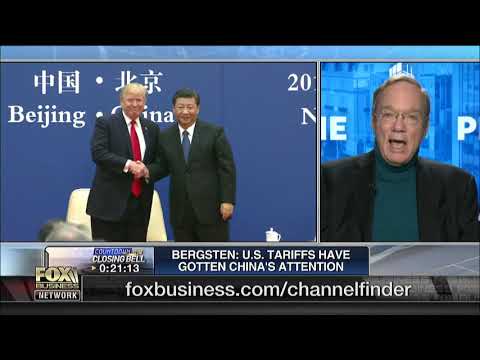
7:37Fred Bergsten " Trump’s trade war with China will backfire " Fox Business Oct 19 2018
C. Fred Bergsten
2010s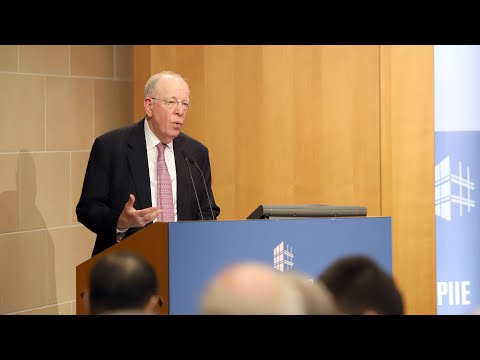 1:16:44
Outlook for the Global Trading System and the WTO
C. Fred Bergsten
2010s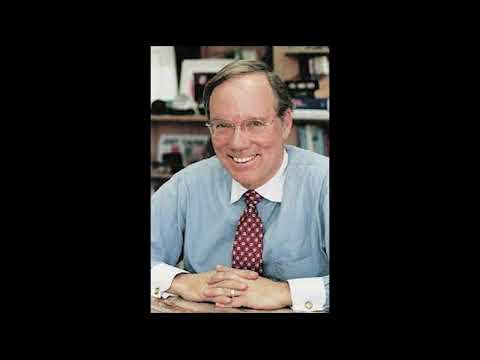 5:23
5:23Inflation with Fred Bergsten
C. Fred Bergsten