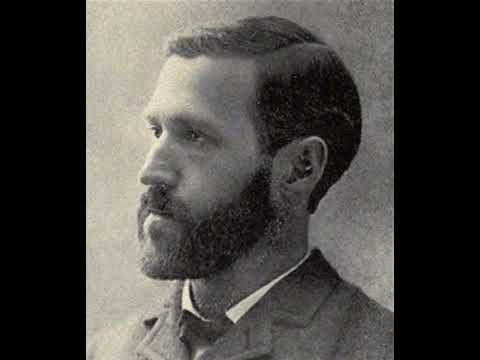
Fred M. Taylor — Rare Footage & Clips
Fred M. Taylor: A Visionary Economist Ahead of His Time
The world of economics has been blessed with numerous thinkers who have shaped our understanding of the global economy. Among them is Fred M. Taylor, a pioneer in the field of market socialism. For over four decades, Taylor dedicated his life to teaching and researching at some of America's most esteemed institutions. His legacy as an economist and educator continues to inspire new generations of scholars.
One of the key aspects of Taylor's work that sets him apart is his ability to present complex economic theories in a clear and concise manner. His book, "Principles of Economics," published in 1911, underwent nine editions, a testament to its enduring relevance and accessibility. This skill for simplifying intricate concepts without sacrificing intellectual rigor is a hallmark of Taylor's work.
Taylor's most significant contribution to the field of economics lies in his theory of market socialism. In his presidential address to the American Economic Association in 1929, he outlined the conditions under which a socialist economy could achieve an efficient allocation of resources. These conditions are strikingly similar to those found in a private-enterprise economy. The state must provide money income to its citizens, who then use this income to purchase goods and services produced by state enterprises. Additionally, the state sets prices equal to marginal cost, ensuring that factors of production, including labor, receive fair compensation.
This theory has far-reaching implications for policymakers and economists seeking to create a more equitable society. By understanding how a socialist economy can function efficiently, we may uncover new ways to address issues such as income inequality and economic growth. Taylor's work in this area is particularly noteworthy given the ongoing debate about the role of government in the economy.
In "Principles of Economics," Taylor delves into various aspects of economics, including supply and demand, cost theory, and international trade. His explanations are characterized by their clarity and logical structure, making the book an excellent resource for students and professionals alike. This emphasis on clear exposition is a testament to Taylor's commitment to education and his desire to make complex ideas accessible to all.
Taylor's academic career spanned over four decades, during which he taught at Albion College from 1879 to 1892 and later at the University of Michigan from 1892 to 1929. His Ph.D. in political philosophy from the University of Michigan in 1888 marked a significant milestone in his academic journey.
The significance of Taylor's work extends beyond the realm of economics. In an era where socialism and communism were gaining traction, Taylor's theory offered a unique perspective on how a socialist economy could function efficiently. His ideas have been studied by scholars from various disciplines, including politics, sociology, and history.
While Taylor's contributions to economic theory are undeniable, it is essential to note that his ideology was libertarian in nature. This aspect of his work has sparked debate among economists and policymakers. Nevertheless, his commitment to clear exposition and rigorous analysis remains a valuable asset to the field of economics.
In conclusion, Fred M. Taylor's legacy as an economist and educator continues to inspire new generations of scholars. His theory of market socialism offers a unique perspective on how a socialist economy can function efficiently, providing valuable insights for policymakers and economists seeking to create a more equitable society. Through his work, we gain a deeper understanding of the complexities of economic systems and the importance of clear exposition in making complex ideas accessible to all.
Expert Clips
"The Conditions for an Efficient Socialist Economy" (1929) - In this clip, Taylor outlines the conditions under which a socialist economy can achieve an efficient allocation of resources. This presentation is a seminal work that showcases Taylor's ability to present complex economic theories in a clear and concise manner.
"Principles of Economics: An Overview" (1911) - In this clip, Taylor provides an overview of his book, highlighting the key concepts and principles that underlie his theory of market socialism. This presentation offers valuable insights into Taylor's thought process and his commitment to making complex ideas accessible to all.
These expert clips offer a glimpse into Taylor's work and provide a deeper understanding of his contributions to economic theory. By studying his theories and presentations, we can gain a more nuanced appreciation for the complexities of economic systems and the importance of clear exposition in making complex ideas accessible to all.
Curated from public records and music databases.