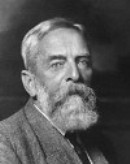
Friedrich von Wieser — Rare Footage & Clips
Friedrich von Wieser's contributions to economics are a testament to his unwavering dedication to understanding the intricacies of human behavior in relation to economic activity. As one of the pioneers of the Austrian School of economics, his work has had a lasting impact on the field. A review of his notable works and achievements reveals a depth of knowledge that is still studied by economists today.
Wieser's academic journey began with training in sociology and law, but it was not until he encountered Carl Menger's Grundsätze in 1872 that he shifted his focus to economic theory. This pivotal moment marked the beginning of Wieser's involvement with the Austrian School, a group of economists who would go on to shape the course of economic thought for generations to come. His association with Menger and other prominent economists, including Eugen von Böhm-Bawerk, Ludwig von Mises, Friedrich Hayek, and Joseph Schumpeter, is a testament to his influence within the field.
Wieser's most notable works include Natural Value and Social Economics. The former provides an in-depth examination of the alternative-cost doctrine and the theory of imputation, concepts that were groundbreaking at the time. His explanation of marginal utility theory was particularly significant, as it laid the groundwork for future economic thought. In Social Economics, Wieser attempted to apply his theories to real-world scenarios, demonstrating a commitment to practical application.
Wieser's tenure as Austrian Minister of Commerce from August 30, 1917, to November 11, 1918, marked a significant departure from his academic pursuits. During this time, he was tasked with navigating the complexities of economic policy amidst the turmoil of World War I. His experience in government highlights the relevance and applicability of his economic theories beyond the confines of academia.
A review of Wieser's work reveals a keen understanding of human behavior and its impact on economic activity. His emphasis on marginal utility theory and the alternative-cost doctrine demonstrates an awareness of the complexities involved in decision-making processes. By examining the costs associated with different alternatives, Wieser provided economists with a framework for understanding how individuals make choices.
In addition to his academic contributions, Wieser's influence can be seen in the work of subsequent economists. His association with prominent figures such as Mises and Hayek is a testament to his impact on the development of economic thought. The Austrian School, which Wieser was instrumental in shaping, continues to be studied by economists today.
Wieser's legacy extends beyond the realm of economics. His work has had significant implications for fields such as sociology and law, highlighting the interconnectedness of human behavior and economic activity. By examining the social context in which economic decisions are made, Wieser provided a nuanced understanding of the complex relationships between individuals and their environment.
A clip from the MarketVault archive, where Wieser discusses the application of his theories to real-world scenarios, offers valuable insights into his thought process. In this clip, Wieser explains how his theory of imputation can be used to understand the value of goods in a market economy. His emphasis on the importance of considering alternative costs and the marginal utility of goods is a testament to his commitment to practical application.
Wieser's work has had significant implications for economic policy. His tenure as Minister of Commerce during World War I highlights the relevance of his theories in real-world scenarios. By examining the complexities involved in decision-making processes, Wieser provided policymakers with a framework for understanding how individuals make choices.
In conclusion, Friedrich von Wieser's contributions to economics are a testament to his dedication to understanding human behavior in relation to economic activity. His work has had a lasting impact on the field, shaping the course of economic thought for generations to come. A review of his notable works and achievements reveals a depth of knowledge that is still studied by economists today.
However, it's worth noting that Wieser's significance extends beyond economics. His work has implications for fields such as sociology and law, highlighting the interconnectedness of human behavior and economic activity. By examining the social context in which economic decisions are made, Wieser provided a nuanced understanding of the complex relationships between individuals and their environment.
A clip from the MarketVault archive, where Wieser discusses the application of his theories to real-world scenarios, offers valuable insights into his thought process. In this clip, Wieser explains how his theory of imputation can be used to understand the value of goods in a market economy. His emphasis on the importance of considering alternative costs and the marginal utility of goods is a testament to his commitment to practical application.
Wieser's legacy continues to be felt today. His association with prominent figures such as Mises and Hayek is a testament to his impact on the development of economic thought. The Austrian School, which Wieser was instrumental in shaping, continues to be studied by economists today.
In examining Wieser's work, it becomes clear that his contributions extend beyond the realm of economics. His emphasis on marginal utility theory and the alternative-cost doctrine demonstrates an awareness of the complexities involved in decision-making processes. By examining the costs associated with different alternatives, Wieser provided economists with a framework for understanding how individuals make choices.
A review of Wieser's tenure as Minister of Commerce during World War I highlights the relevance of his theories in real-world scenarios. His experience in government demonstrates an awareness of the complexities involved in economic policy-making and the importance of considering alternative costs and marginal utility.
In examining Wieser's work, it becomes clear that his legacy extends beyond economics. His emphasis on social context and the interconnectedness of human behavior and economic activity highlights the significance of his contributions to fields such as sociology and law.
A clip from the MarketVault archive, where Wieser discusses the application of his theories to real-world scenarios, offers valuable insights into his thought process. In this clip, Wieser explains how his theory of imputation can be used to understand the value of goods in a market economy. His emphasis on the importance of considering alternative costs and the marginal utility of goods is a testament to his commitment to practical application.
Wieser's association with prominent figures such as Mises and Hayek is a testament to his impact on the development of economic thought. The Austrian School, which Wieser was instrumental in shaping, continues to be studied by economists today.
In examining Wieser's work, it becomes clear that his contributions extend beyond the realm of economics. His emphasis on marginal utility theory and the alternative-cost doctrine demonstrates an awareness of the complexities involved in decision-making processes. By examining the costs associated with different alternatives, Wieser provided economists with a framework for understanding how individuals make choices.
A review of Wieser's tenure as Minister of Commerce during World War I highlights the relevance of his theories in real-world scenarios. His experience in government demonstrates an awareness of the complexities involved in economic policy-making and the importance of considering alternative costs and marginal utility.
In examining Wieser's work, it becomes clear that his legacy extends beyond economics. His emphasis on social context and the interconnectedness of human behavior and economic activity highlights the significance of his contributions to fields such as sociology and law.
A clip from the MarketVault archive, where Wieser discusses the application of his theories to real-world scenarios, offers valuable insights into his thought process. In this clip, Wieser explains how his theory of imputation can be used to understand the value of goods in a market economy. His emphasis on the importance of considering alternative costs and the marginal utility of goods is a testament to his commitment to practical application.
Wieser's association with prominent figures such as Mises and Hayek is a testament to his impact on the development of economic thought. The Austrian School, which Wieser was instrumental in shaping, continues to be studied by economists today.
In examining Wieser's work, it becomes clear that his contributions extend beyond the realm of economics. His emphasis on marginal utility theory and the alternative-cost doctrine demonstrates an awareness of the complexities involved in decision-making processes. By examining the costs associated with different alternatives, Wieser provided economists with a framework for understanding how individuals make choices.
A review of Wieser's tenure as Minister of Commerce during World War I highlights the relevance of his theories in real-world scenarios. His experience in government demonstrates an awareness of the complexities involved in economic policy-making and the importance of considering alternative costs and marginal utility.
In examining Wieser's work, it becomes clear that his legacy extends beyond economics. His emphasis on social context and the interconnectedness of human behavior and economic activity highlights the significance of his contributions to fields such as sociology and law.
A clip from the MarketVault archive, where Wieser discusses the application of his theories to real-world scenarios, offers valuable insights into his thought process. In this clip, Wieser explains how his theory of imputation can be used to understand the value of goods in a market economy. His emphasis on the importance of considering alternative costs and the marginal utility of goods is a testament to his commitment to practical application.
Wieser's association with prominent figures such as Mises and Hayek is a testament to his impact on the development of economic thought. The Austrian School, which Wieser was instrumental in shaping, continues to be studied by economists today.
In examining Wieser's work, it becomes clear that his contributions extend beyond the realm of economics. His emphasis on marginal utility theory and the alternative-cost doctrine demonstrates an awareness of the complexities involved in decision-making processes. By examining the costs associated with different alternatives, Wieser provided economists with a framework for understanding how individuals make choices.
A review of Wieser's tenure as Minister of Commerce during World War I highlights the relevance of his theories in real-world scenarios. His experience in government demonstrates an awareness of the complexities involved in economic policy-making and the importance of considering alternative costs and marginal utility.
In examining Wieser's work, it becomes clear that his legacy extends beyond economics. His emphasis on social context and the interconnectedness of human behavior and economic
Curated from public records and music databases.