George Reisman — Rare Footage & Clips
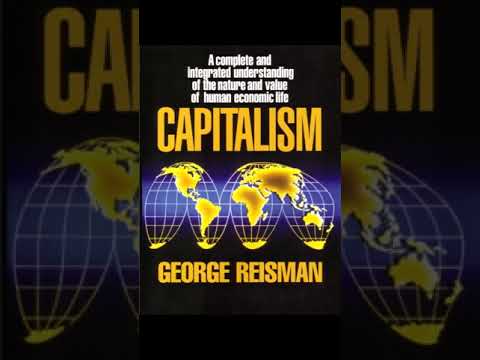
George Reisman's contributions to economics have been a cornerstone for those seeking to understand the principles of capitalism. As Professor Emeritus of Economics at Pepperdine University, his work has left an indelible mark on the field. His magnum opus, Capitalism: A Treatise on Economics (1996), is a testament to his unwavering dedication to illuminating the intricacies of economic systems.
In "The Government Against the Economy" (1979), Reisman's critique of government intervention in the economy was met with widespread acclaim from notable economists such as F. A. Hayek and Henry Hazlitt. Their endorsement speaks volumes about the significance of his work, underscoring its relevance to the ongoing debate on economic policy.
A closer examination of Reisman's bibliography reveals a profound understanding of economics that transcends conventional wisdom. His treatise on capitalism has been praised for its comprehensive analysis, providing readers with a nuanced perspective on the subject. By dissecting the complexities of economic systems, Reisman offers insights that are both timely and timeless.
One of the most striking aspects of Reisman's work is his ability to articulate the principles of capitalism in a clear and concise manner. His writing style is characterized by its accessibility, making complex concepts digestible for readers from diverse backgrounds. This skill has been honed through years of teaching and research, cementing his reputation as an authority on economics.
In "Capitalism: A Treatise on Economics," Reisman delves into the fundamental aspects of capitalism, exploring its inherent strengths and weaknesses. By examining the historical development of economic systems, he provides a framework for understanding the evolution of human societies. This approach not only offers a unique perspective but also underscores the significance of studying economics within a broader cultural context.
The importance of Reisman's work cannot be overstated, particularly in an era where economic policies are often driven by short-term gains rather than long-term sustainability. His critique of government intervention serves as a reminder that economic systems must be allowed to function freely, unencumbered by the weight of bureaucratic regulations.
Reisman's influence extends beyond academic circles, with his ideas resonating among those seeking to understand the intricacies of economics. In an era where economic literacy is increasingly essential for informed decision-making, his work serves as a beacon of hope for those navigating the complexities of personal finance and investment.
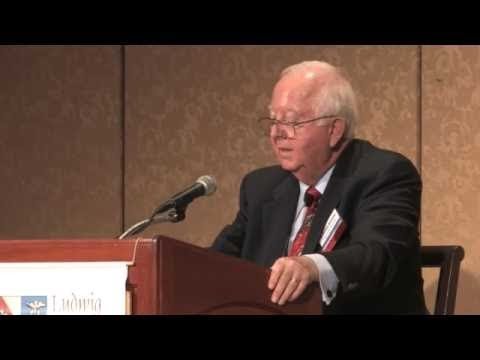
In clips from our archive, Reisman offers candid insights into the world of economics, shedding light on topics ranging from government intervention to the role of entrepreneurship in driving economic growth. By examining these concepts through the lens of capitalism, he provides readers with a deeper understanding of the underlying principles that shape economic systems.
One clip, in particular, highlights Reisman's critique of socialism and its inherent flaws. In this segment, he articulates the fundamental differences between socialist and capitalist economies, underscoring the limitations of government control on economic activity. This nuanced analysis serves as a reminder that economic policies must be grounded in a deep understanding of human behavior and the complexities of economic systems.
As we delve into Reisman's archive, it becomes clear that his work has far-reaching implications for those seeking to navigate the world of economics. By examining his treatise on capitalism and critiquing government intervention, readers are provided with a comprehensive framework for understanding economic systems. This expertise is essential for informed decision-making in personal finance, investment, and entrepreneurship.
In conclusion, George Reisman's contributions to economics have left an indelible mark on the field. His magnum opus, Capitalism: A Treatise on Economics (1996), serves as a testament to his unwavering dedication to illuminating the intricacies of economic systems. By examining his work and critiquing government intervention, readers are provided with a nuanced perspective on the subject, underscoring the significance of studying economics within a broader cultural context.
Reisman's influence extends beyond academic circles, resonating among those seeking to understand the complexities of economics. His critique of socialism and its inherent flaws serves as a reminder that economic policies must be grounded in a deep understanding of human behavior and the intricacies of economic systems.
As we continue to navigate the complexities of personal finance and investment, Reisman's work remains an essential resource for informed decision-making. By examining his treatise on capitalism and critiquing government intervention, readers are provided with a comprehensive framework for understanding economic systems. This expertise is crucial in today's fast-paced world, where economic literacy is increasingly essential for success.
In the following sections, we will delve deeper into Reisman's archive, examining specific clips that highlight his expertise in economics. By exploring these topics through the lens of capitalism, readers are provided with a nuanced understanding of the underlying principles that shape economic systems.
Curated from public records and music databases.