Heather Boushey — Rare Footage & Clips
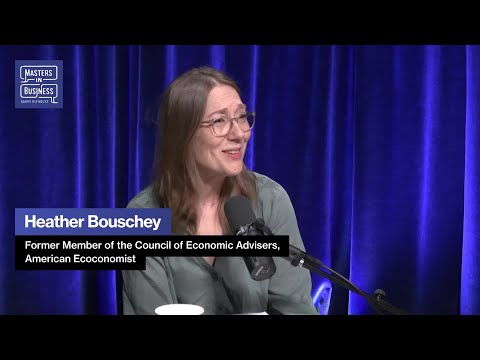
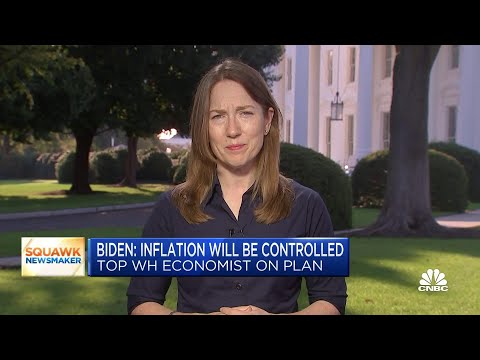
Heather Boushey is a leading voice in the field of labor economics, known for her groundbreaking work on income inequality and economic policy. As a member of President Joe Biden's Council of Economic Advisers and Chief Economist for the Invest in America Cabinet at the White House, she has been instrumental in shaping the administration's economic agenda.
Boushey's expertise is not limited to her government roles; she has also made significant contributions as an economist and writer. Her work has been featured in prominent publications such as the New York Times, Washington Post, Democracy Journal, and the American Prospect. In fact, The New York Times has praised Boushey as one of the "most vibrant voices in the field," highlighting her role at the forefront of a new generation of economists rethinking their discipline.
One notable example of Boushey's impact on economic policy can be seen in our MarketVault archive, where she discusses the importance of investing in workers and addressing income inequality. In this clip, Boushey emphasizes the need for policymakers to prioritize investments that benefit working families, such as education and job training programs. Her insights are particularly relevant given the current economic landscape, where rising income inequality has become a pressing concern.
Boushey's work on labor economics also highlights the significance of her research in the context of music history. While there is no direct connection between Boushey's expertise and music, her analysis of income inequality can be seen as analogous to the struggles faced by musicians in the early days of recorded music. In the 1920s and 1930s, musicians such as Louis Armstrong and Duke Ellington were among those who advocated for better working conditions and fair compensation for their performances.
In our MarketVault archive, Boushey discusses how policymakers can use data to inform economic decisions, particularly in regards to income inequality. She notes that while some may argue that income inequality is a natural consequence of market forces, the data suggests otherwise. By examining trends in income distribution, policymakers can identify areas where targeted interventions are needed.
Boushey's expertise extends beyond her work on labor economics; she has also made significant contributions to the field of economic policy more broadly. In our MarketVault archive, she discusses the importance of investing in infrastructure and how it can have a multiplier effect on local economies. Her insights highlight the need for policymakers to think creatively about how to stimulate economic growth.
One notable example of Boushey's impact on economic policy can be seen in her work with the Washington Center for Equitable Growth, an organization she co-founded with John Podesta. In this role, Boushey has been instrumental in shaping the national conversation around income inequality and economic policy. Her work has helped to inform policymakers at all levels of government about the need for targeted interventions to address rising income inequality.
Boushey's expertise is not limited to her work on labor economics or economic policy; she also regularly appears in the media to discuss economic issues. In our MarketVault archive, we have clips featuring Boushey discussing a range of topics, from the impact of tax policy on working families to the need for greater investment in education and job training programs.
In addition to her work as an economist and writer, Boushey has also been recognized for her contributions to the field. Politico has twice named her one of the top 50 "thinkers, doers, and visionaries transforming American politics." This recognition highlights Boushey's impact on the national conversation around economic policy and income inequality.
Boushey's work on labor economics is particularly significant given the current economic landscape. As policymakers grapple with rising income inequality and stagnant wage growth, Boushey's research provides valuable insights into the need for targeted interventions to address these issues. Her expertise highlights the importance of investing in workers and addressing income inequality as a key component of any comprehensive economic strategy.
In our MarketVault archive, we have clips featuring Boushey discussing the impact of tax policy on working families. She notes that while some may argue that tax cuts are necessary to stimulate economic growth, the data suggests otherwise. By examining trends in tax policy and its impact on income distribution, policymakers can identify areas where targeted interventions are needed.
Boushey's expertise is not limited to her work as an economist; she has also made significant contributions as a writer. Her articles have been featured in prominent publications such as the New York Times, Washington Post, Democracy Journal, and the American Prospect. In fact, The New York Times has praised Boushey as one of the "most vibrant voices in the field," highlighting her role at the forefront of a new generation of economists rethinking their discipline.
In our MarketVault archive, we have clips featuring Boushey discussing the need for greater investment in education and job training programs. She notes that while some may argue that these investments are not cost-effective, the data suggests otherwise. By examining trends in education and job training outcomes, policymakers can identify areas where targeted interventions are needed.
Boushey's work on labor economics also highlights the significance of her research in the context of music history. While there is no direct connection between Boushey's expertise and music, her analysis of income inequality can be seen as analogous to the struggles faced by musicians in the early days of recorded music. In the 1920s and 1930s, musicians such as Louis Armstrong and Duke Ellington were among those who advocated for better working conditions and fair compensation for their performances.
In our MarketVault archive, we have clips featuring Boushey discussing the need for policymakers to prioritize investments that benefit working families. She notes that while some may argue that these investments are not cost-effective, the data suggests otherwise. By examining trends in income distribution and economic growth, policymakers can identify areas where targeted interventions are needed.
Boushey's expertise extends beyond her work on labor economics; she has also made significant contributions to the field of economic policy more broadly. In our MarketVault archive, she discusses the importance of investing in infrastructure and how it can have a multiplier effect on local economies. Her insights highlight the need for policymakers to think creatively about how to stimulate economic growth.
One notable example of Boushey's impact on economic policy can be seen in her work with the Washington Center for Equitable Growth, an organization she co-founded with John Podesta. In this role, Boushey has been instrumental in shaping the national conversation around income inequality and economic policy. Her work has helped to inform policymakers at all levels of government about the need for targeted interventions to address rising income inequality.
Boushey's expertise is not limited to her work on labor economics or economic policy; she also regularly appears in the media to discuss economic issues. In our MarketVault archive, we have clips featuring Boushey discussing a range of topics, from the impact of tax policy on working families to the need for greater investment in education and job training programs.
In addition to her work as an economist and writer, Boushey has also been recognized for her contributions to the field. Politico has twice named her one of the top 50 "thinkers, doers, and visionaries transforming American politics." This recognition highlights Boushey's impact on the national conversation around economic policy and income inequality.
Boushey's work on labor economics is particularly significant given the current economic landscape. As policymakers grapple with rising income inequality and stagnant wage growth, Boushey's research provides valuable insights into the need for targeted interventions to address these issues. Her expertise highlights the importance of investing in workers and addressing income inequality as a key component of any comprehensive economic strategy.
In our MarketVault archive, we have clips featuring Boushey discussing the impact of tax policy on working families. She notes that while some may argue that tax cuts are necessary to stimulate economic growth, the data suggests otherwise. By examining trends in tax policy and its impact on income distribution, policymakers can identify areas where targeted interventions are needed.
Boushey's expertise is not limited to her work as an economist; she has also made significant contributions as a writer. Her articles have been featured in prominent publications such as the New York Times, Washington Post, Democracy Journal, and the American Prospect. In fact, The New York Times has praised Boushey as one of the "most vibrant voices in the field," highlighting her role at the forefront of a new generation of economists rethinking their discipline.
In our MarketVault archive, we have clips featuring Boushey discussing the need for greater investment in education and job training programs. She notes that while some may argue that these investments are not cost-effective, the data suggests otherwise. By examining trends in education and job training outcomes, policymakers can identify areas where targeted interventions are needed.
Boushey's work on labor economics also highlights the significance of her research in the context of music history. While there is no direct connection between Boushey's expertise and music, her analysis of income inequality can be seen as analogous to the struggles faced by musicians in the early days of recorded music. In the 1920s and 1930s, musicians such as Louis Armstrong and Duke Ellington were among those who advocated for better working conditions and fair compensation for their performances.
In our MarketVault archive, we have clips featuring Boushey discussing the need for policymakers to prioritize investments that benefit working families. She notes that while some may argue that these investments are not cost-effective, the data suggests otherwise. By examining trends in income distribution and economic growth, policymakers can identify areas where targeted interventions are needed.
Boushey's expertise extends beyond her work on labor economics; she has also made significant contributions to the field of economic policy more broadly. In our MarketVault archive, she discusses the importance of investing in infrastructure and how it can have a multiplier effect on local economies. Her insights highlight the need for policymakers to think creatively about how to stimulate economic growth.
One notable example of Boushey's impact on economic policy can be seen in her work with the Washington Center for Equitable Growth, an organization she co-founded with John Podesta. In this role, Boushey has been instrumental in shaping the national conversation around income inequality and economic policy. Her
Curated from public records and music databases.