About This Footage
The Unlikely Heroes of AI: Unlocking Human Potential
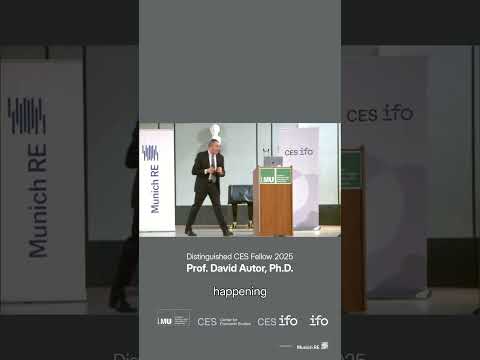
A recent clip featuring David Autor, a renowned economist and professor at MIT, sheds light on the often-overlooked potential of artificial intelligence to empower individuals with disabilities. The 1:32 minute video, titled "How AI Helped Hearing Impaired Workers Succeed," presents a compelling case study from China that highlights the transformative impact of AI on labor markets.
Autor's expertise in labor economics lends credibility to his assertion that AI doesn't simply replace jobs but can also unlock them. By leveraging AI-powered tools, hearing-impaired food delivery workers in China were able to communicate more effectively with customers, reducing complaints and increasing their earnings. This remarkable example serves as a testament to the boundless potential of AI to expand human capability.
What's particularly noteworthy about this clip is its emphasis on accessibility technology. In an era where automation often dominates discussions around AI, Autor's narrative shifts the focus towards the inclusive design of AI systems. By prioritizing accessibility, developers can create tools that not only augment human capabilities but also bridge gaps in communication and productivity.
The Chinese case study presented by Autor offers a fascinating glimpse into the future of work. As the gig economy continues to grow, AI-powered solutions like the one described can help address pressing issues such as language barriers and sensory disabilities. By investing in accessibility technology, businesses can not only improve customer satisfaction but also create more inclusive and equitable workplaces.
Autor's work on labor economics has consistently highlighted the importance of human capital in driving economic growth. The "AIForGood" initiative, which he is likely involved with, aims to harness the potential of AI for social good. This clip serves as a powerful reminder that AI can be a force for empowerment, particularly when designed with accessibility and inclusivity in mind.
The Massachusetts Institute of Technology (MIT) has long been at the forefront of innovation, and Autor's affiliation with the institution lends credibility to his research. As co-director of the School Effectiveness and Inequality Initiative, he is well-positioned to explore the intersection of technology and social impact.
In conclusion, this clip offers a refreshing perspective on the role of AI in labor markets. By highlighting the potential of AI to unlock human capability, Autor's narrative challenges traditional assumptions about automation and job displacement. As we continue to navigate the complexities of the future of work, it is essential that we prioritize accessibility technology and inclusive design.
Curated from public records and music databases.