0 views
Share this clip
The Boring Portfolio That Actually Makes You Rich
Know someone who'd love this clip?
Share it with friends and fellow fans.
Share this clip
Disclaimer: MarketVault is an educational video curation platform. Nothing on this site constitutes financial advice, investment advice, or a recommendation to buy or sell any asset. Always consult a qualified, regulated financial advisor before making investment decisions. Investing carries risk — you may lose money.
Know someone who'd love this clip?
Share it with friends and fellow fans.
The most powerful wealth-building strategy available to any ordinary investor isn't exciting. It doesn't require special knowledge, insider access, or daily monitoring. And almost nobody talks about it because it's too boring to go viral. In this video, I'm going to show you exactly what the boring portfolio is, why it mathematically beats almost every alternative over time, and how to build your specific version of it for the 2026 economic environment. ━━━ WHAT'S COVERED IN THIS VIDEO ━━━ ✦ The Morningstar study: why less than 5% of active funds beat index funds over 15 years ✦ Warren Buffett's $1M bet against hedge funds — and what it proves about boring investing ✦ The exact 3-fund and 4-fund portfolio structure with specific ETF tickers ✦ Why the 2026 stagflation environment requires a TIPS upgrade to the standard boring portfolio ✦ The 2022 stress test: how the boring portfolio fell 17.5% and fully recovered in one year ✦ Rebalancing explained: the free tool that automatically forces you to buy low and sell high ✦ Real projected numbers: $400/month invested boringly for 25 years = $380,000 ✦ Why the Fidelity "forgotten accounts" finding is the most important data in personal finance ━━━ THE 2026 BORING PORTFOLIO (Exact Allocation) ━━━ 50% — VTI (Vanguard Total US Stock Market, ER: 0.03%) 20% — VXUS (Vanguard Total International, ER: 0.05%) 10% — TIP (iShares TIPS Bond ETF — inflation protection for 2026) 10% — BND (Vanguard Total Bond Market, ER: 0.03%, Yield: ~3.8%) 5% — XLE (Energy ETF — stagflation hedge, up 30%+ Q1 2026) 5% — High-yield savings account (4%+ yield, CIT Bank currently at 4.1%) Total blended expense ratio: ~0.04% = $40/year on $100,000 invested ━━━ KEY DATA IN THIS VIDEO ━━━ • Morningstar: Less than 5% of active large-blend funds beat passive peers over 15 years • Buffett bet: Index fund returned 125% vs hedge funds' 36% over 10 years • Fee math: 0.03% vs 1% fee = $400,000 difference over 30 years at 10% return • 2022 stress
Added
 1:23:36
Mark Skousen
 12:42
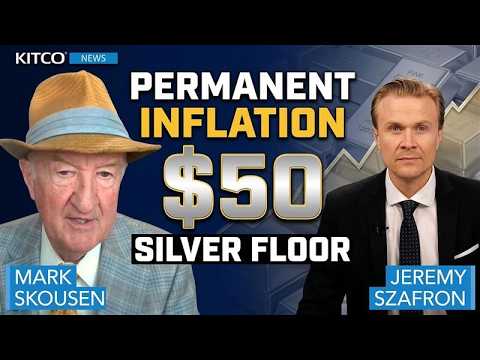
12:42Mark Skousen
 41:25
41:25Mark Skousen
 4:53
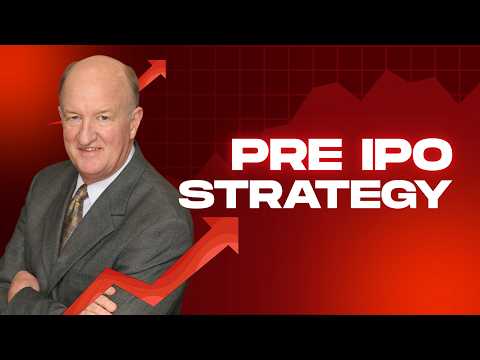
4:53Mark Skousen