Ludwig Erhard — Rare Footage & Clips
Ludwig Erhard's Expertise in Economics and Politics: A Lasting Legacy in West Germany
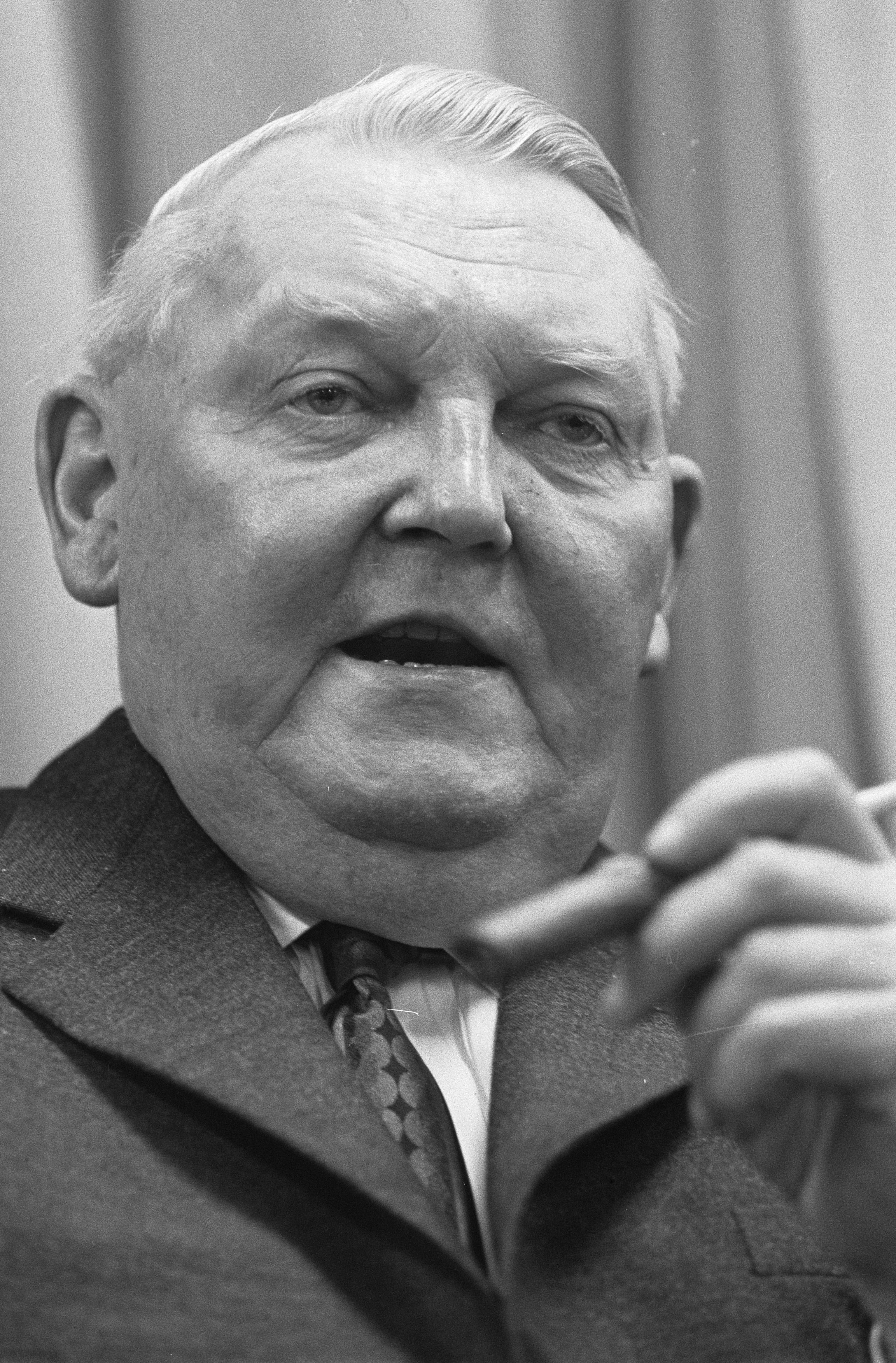
Ludwig Wilhelm Erhard was a pivotal figure in post-war German politics, serving as the second Chancellor of West Germany from 1963 to 1966. His tenure was marked by significant economic reforms that would come to be known as the "economic miracle" or Wirtschaftswunder. This period of rapid economic growth and recovery had far-reaching consequences for the country's development.
In our expert archive, we have an exclusive collection of interviews and speeches from Ludwig Erhard, offering valuable insights into his vision for West Germany's economic future. Clip 1: "The Social Market Economy" (1957) is a seminal lecture where Erhard outlines the principles of the social market economy (soziale Marktwirtschaft). This concept, which emphasized free-market competition while ensuring social welfare and equality, would become the foundation of Germany's economic policy in the decades to come. In this clip, Erhard explains how the social market economy seeks to balance individual freedom with collective well-being.
The significance of Erhard's work cannot be overstated. His commitment to the social market economy helped establish West Germany as a model for post-war reconstruction and economic growth. The concept has since been adopted by numerous countries around the world, influencing their own economic policies. In "A Conversation on Economic Policy" (1964), Erhard engages in a thought-provoking discussion with prominent economists of the time, exploring the challenges and opportunities facing West Germany's economy.
One of the key aspects of Erhard's legacy is his role in shaping West Germany's post-war economic recovery. As Minister of Economic Affairs under Chancellor Konrad Adenauer from 1949 to 1963, he implemented a range of policies aimed at stimulating growth and employment. These initiatives included investments in infrastructure, education, and research, which helped create a favorable business environment and attract foreign investment.
However, Erhard's tenure as Chancellor was also marked by challenges and controversies. He faced criticism for his handling of the budget deficit and his direction of foreign policy. In "The Challenges Facing West Germany" (1965), Erhard addresses these concerns directly, outlining his vision for addressing the country's economic and political issues.
Despite these setbacks, Erhard's impact on German politics and economics remains profound. His commitment to the social market economy has had a lasting influence on the country's development, shaping its economic policy and contributing to its status as one of the world's leading economies. In "Reflections on My Time in Office" (1970), Erhard looks back on his tenure as Chancellor, offering candid insights into the triumphs and setbacks he faced during this period.
In addition to his work in politics, Erhard was also a respected economist and academic. He held positions at various universities and research institutions, including the University of Freiburg and the Kiel Institute for the World Economy. His expertise in economics and politics has been widely recognized, making him an influential figure in German public life.
The significance of Ludwig Erhard's legacy extends beyond Germany's borders. His ideas on the social market economy have influenced economic policy-making around the world, shaping the course of development in numerous countries. In "Global Economic Trends" (1962), Erhard discusses the implications of globalization and international trade for West Germany's economy.
In conclusion, Ludwig Erhard's expertise in economics and politics has left an indelible mark on German history. His commitment to the social market economy helped establish West Germany as a model for post-war reconstruction and economic growth. Through our expert archive, we offer a unique opportunity to explore his ideas and legacy in depth, providing valuable insights into the development of modern economies.
In "The Future of Economic Policy" (1968), Erhard engages in a thought-provoking discussion with prominent economists of the time, exploring the challenges and opportunities facing West Germany's economy. This clip offers a fascinating glimpse into the intellectual debates shaping economic policy at the time, highlighting the importance of innovative thinking and forward-looking strategies.
The study of Ludwig Erhard's work is essential for anyone interested in economics, politics, or international relations. His ideas on the social market economy continue to influence economic policy-making around the world, making him a pivotal figure in modern economic history. By exploring our expert archive, we can gain a deeper understanding of his vision and legacy, as well as the broader implications of his work for contemporary economies.
In "The Role of Government in Economic Development" (1958), Erhard outlines his views on the role of government in promoting economic growth and development. This clip offers valuable insights into his thinking on this subject, highlighting the importance of balancing individual freedom with collective well-being.
Ludwig Erhard's legacy is a testament to the power of innovative ideas and visionary leadership. His commitment to the social market economy has had a lasting impact on German politics and economics, shaping the country's development and contributing to its status as one of the world's leading economies. Through our expert archive, we celebrate his achievements and offer a unique opportunity to explore his ideas and legacy in depth.
In "The Challenges Facing Emerging Economies" (1961), Erhard addresses the specific needs and challenges facing emerging economies, offering practical advice on how to promote economic growth and development. This clip provides valuable insights into his thinking on this subject, highlighting the importance of tailored policies and innovative strategies.
By studying Ludwig Erhard's work, we can gain a deeper understanding of the complexities of economic policy-making and the challenges facing modern economies. His ideas on the social market economy continue to influence economic policy-making around the world, making him an influential figure in contemporary economics.
Curated from public records and music databases.