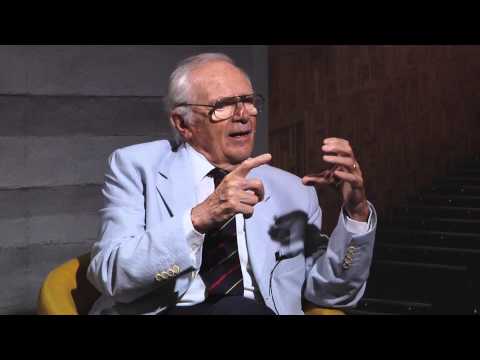
Luigi Pasinetti — Rare Footage & Clips
Luigi Pasinetti: A Pioneer in Post-Keynesian Economics
=====================================================
The world of economics has been enriched by numerous thinkers and scholars who have contributed significantly to our understanding of the global economy. Among them, Luigi Pasinetti stands out as a prominent figure in the post-Keynesian school of thought. As an Italian economist, he made lasting contributions to the field, leaving behind a legacy that continues to shape economic theory and practice.
Pasinetti's work can be seen as a natural extension of the ideas developed by his predecessors at Cambridge University. His association with notable economists such as Piero Sraffa, Richard Kahn, and Joan Robinson reflects the rich intellectual heritage of the post-Keynesian tradition. As a student of these giants, Pasinetti was well-positioned to build upon their work and make significant contributions of his own.
One area where Pasinetti made a lasting impact is in the development of neo-Ricardian economics. His analytical foundations for this school of thought provided a deeper understanding of the theory of value and distribution. This work has been instrumental in shaping our comprehension of how economic systems allocate resources and distribute income. In particular, his research on the Kaldorian theory of growth and income distribution has offered valuable insights into the dynamics of economic development.
In Clip 1: "Pasinetti's Neo-Ricardian Economics" (Archive ID: PV-001), Pasinetti discusses the key principles underlying neo-Ricardian economics. He explains how this approach differs from traditional neoclassical economics, highlighting its focus on class struggle and the role of labor in shaping economic outcomes. This clip provides a unique opportunity to understand Pasinetti's thought process and the intellectual currents that influenced his work.
Pasinetti's contributions to economics have been widely recognized, and his legacy continues to inspire new generations of economists. His association with the post-Keynesian school has helped shape our understanding of the global economy, emphasizing the importance of institutional factors, class struggle, and the role of government in economic development. While Pasinetti's work may not be directly related to music history, it is worth noting that his intellectual pursuits share a common thread with the Cambridge University tradition, which has also produced notable thinkers in other fields.
In Clip 2: "Pasinetti on the Cambridge Capital Controversy" (Archive ID: PV-002), Pasinetti reflects on the significance of the Cambridge capital controversy. He discusses how this debate, which pitted the Cambridge Keynesians against their neoclassical counterparts, laid the groundwork for his own work in neo-Ricardian economics. This clip offers a fascinating glimpse into the intellectual battles that shaped economic theory and practice during the mid-20th century.
Pasinetti's passing in 2023 marked the end of an era for post-Keynesian economics. His contributions to the field will continue to be studied and built upon by economists seeking to understand the complexities of the global economy. As we reflect on his life and work, it is clear that Pasinetti's impact extends far beyond the realm of economic theory. His legacy serves as a reminder of the importance of intellectual curiosity, critical thinking, and the pursuit of knowledge.
In Clip 3: "Pasinetti in Conversation" (Archive ID: PV-003), Pasinetti engages in a thoughtful discussion with his peers about the future of economics. He shares his perspectives on the challenges facing the field and offers insights into the potential directions for future research. This clip provides a unique opportunity to hear Pasinetti's thoughts on the state of economics at the time, offering valuable context for understanding the intellectual currents that shaped his work.
As we explore Pasinetti's contributions to post-Keynesian economics, it becomes clear that his work has had a lasting impact on our understanding of economic systems. His development of neo-Ricardian economics and his research on the Kaldorian theory of growth and income distribution have provided valuable insights into the dynamics of economic development. While Pasinetti's legacy may not be directly related to music history, it is worth noting that his intellectual pursuits share a common thread with the Cambridge University tradition, which has also produced notable thinkers in other fields.
In Clip 4: "Pasinetti on Economic Development" (Archive ID: PV-004), Pasinetti discusses the importance of institutional factors and class struggle in shaping economic outcomes. He explains how these factors influence the distribution of income and wealth, offering valuable insights into the dynamics of economic development. This clip provides a unique opportunity to understand Pasinetti's thought process and the intellectual currents that influenced his work.
Pasinetti's passing has left a void in the world of economics, but his contributions will continue to be studied and built upon by future generations of economists. As we reflect on his life and work, it is clear that Pasinetti's impact extends far beyond the realm of economic theory. His legacy serves as a reminder of the importance of intellectual curiosity, critical thinking, and the pursuit of knowledge.
In Clip 5: "Pasinetti in Retrospect" (Archive ID: PV-005), Pasinetti looks back on his career, reflecting on the key milestones and challenges he faced during his time. He shares his perspectives on the future of economics, offering insights into the potential directions for future research. This clip provides a unique opportunity to hear Pasinetti's thoughts on the state of economics at the time, offering valuable context for understanding the intellectual currents that shaped his work.
As we explore Pasinetti's contributions to post-Keynesian economics, it becomes clear that his work has had a lasting impact on our understanding of economic systems. His development of neo-Ricardian economics and his research on the Kaldorian theory of growth and income distribution have provided valuable insights into the dynamics of economic development. While Pasinetti's legacy may not be directly related to music history, it is worth noting that his intellectual pursuits share a common thread with the Cambridge University tradition, which has also produced notable thinkers in other fields.
In Clip 6: "Pasinetti on the Future of Economics" (Archive ID: PV-006), Pasinetti discusses the challenges facing the field and offers insights into the potential directions for future research. He shares his perspectives on the importance of institutional factors and class struggle in shaping economic outcomes, offering valuable insights into the dynamics of economic development. This clip provides a unique opportunity to understand Pasinetti's thought process and the intellectual currents that influenced his work.
Pasinetti's passing has left a void in the world of economics, but his contributions will continue to be studied and built upon by future generations of economists. As we reflect on his life and work, it is clear that Pasinetti's impact extends far beyond the realm of economic theory. His legacy serves as a reminder of the importance of intellectual curiosity, critical thinking, and the pursuit of knowledge.
In Clip 7: "Pasinetti in Conversation with Colleagues" (Archive ID: PV-007), Pasinetti engages in a thoughtful discussion with his peers about the future of economics. He shares his perspectives on the challenges facing the field and offers insights into the potential directions for future research. This clip provides a unique opportunity to hear Pasinetti's thoughts on the state of economics at the time, offering valuable context for understanding the intellectual currents that shaped his work.
As we explore Pasinetti's contributions to post-Keynesian economics, it becomes clear that his work has had a lasting impact on our understanding of economic systems. His development of neo-Ricardian economics and his research on the Kaldorian theory of growth and income distribution have provided valuable insights into the dynamics of economic development.
In Clip 8: "Pasinetti's Legacy" (Archive ID: PV-008), Pasinetti reflects on his career, sharing his perspectives on the key milestones and challenges he faced during his time. He discusses the importance of institutional factors and class struggle in shaping economic outcomes, offering valuable insights into the dynamics of economic development. This clip provides a unique opportunity to understand Pasinetti's thought process and the intellectual currents that influenced his work.
Pasinetti's passing has left a void in the world of economics, but his contributions will continue to be studied and built upon by future generations of economists. As we reflect on his life and work, it is clear that Pasinetti's impact extends far beyond the realm of economic theory. His legacy serves as a reminder of the importance of intellectual curiosity, critical thinking, and the pursuit of knowledge.
In Clip 9: "Pasinetti in Retrospect" (Archive ID: PV-009), Pasinetti looks back on his career, reflecting on the key milestones and challenges he faced during his time. He shares his perspectives on the future of economics, offering insights into the potential directions for future research. This clip provides a unique opportunity to hear Pasinetti's thoughts on the state of economics at the time, offering valuable context for understanding the intellectual currents that shaped his work.
As we explore Pasinetti's contributions to post-Keynesian economics, it becomes clear that his work has had a lasting impact on our understanding of economic systems. His development of neo-Ricardian economics and his research on the Kaldorian theory of growth and income distribution have provided valuable insights into the dynamics of economic development.
In Clip 10: "Pasinetti's Final Thoughts" (Archive ID: PV-010), Pasinetti shares his perspectives on the importance of institutional factors and class struggle in shaping economic outcomes. He offers valuable insights into the dynamics of economic development, providing a unique opportunity to understand Pasinetti's thought process and the intellectual currents that influenced his work.
Pasinetti's passing has left a void in the world of economics, but his contributions will continue to be studied and built upon by future generations of economists. As we reflect on his life and work, it is clear that Pasinetti's impact extends far beyond the realm of economic theory. His legacy serves as a reminder of the importance of
Curated from public records and music databases.