Marxian economics — Rare Footage & Clips
The Marxian school of economics, a heterodox approach that diverges from mainstream economic thought, has been a subject of fascination for scholars and practitioners alike. At its core, Marxian economics is rooted in the critique of political economy by Karl Marx, who laid the foundation for this distinct school of thought. While critics of capitalism often reject the concept of the economy altogether, Marxian economists take a more nuanced approach, accepting the economy as a fundamental aspect of human society.
A cursory glance at the history of economic thought reveals that Marx's ideas have had a profound impact on the development of various economic systems around the world. In the Soviet Union, for instance, Marxian economics was applied to the objectives and needs of socialist construction, contributing significantly to the growth of Soviet political economy. The works of economists like Lev Gatovsky demonstrate how Marxist theory can be adapted to suit specific contexts, highlighting the flexibility and adaptability of this school of thought.
One of the key concerns of Marxian economics is the analysis of crisis in capitalism. This involves examining the role of surplus product and surplus value in various economic systems, as well as the nature and origin of economic value itself. The impact of class struggle on economic and political processes is also a central theme, reflecting Marx's emphasis on the importance of class relations in shaping economic outcomes.
In recent years, there has been growing interest in Marxian economics among students and scholars, particularly those from non-Western backgrounds. A clip in our archive, "Discover How Chinese Students React to Marxian Economics in America!", provides a fascinating glimpse into this phenomenon. The video features Chinese students discussing their understanding of Marxian economics, highlighting both the challenges and opportunities associated with applying this theory to real-world contexts.
For those seeking a more comprehensive introduction to economic thought, we recommend our clip "Every Major Economic Theory Explained in 20 Minutes". This engaging video provides an overview of various schools of thought, including Marxian economics, and offers a clear explanation of their key principles. By understanding the strengths and weaknesses of different approaches, viewers can develop a deeper appreciation for the complexities of economic systems.
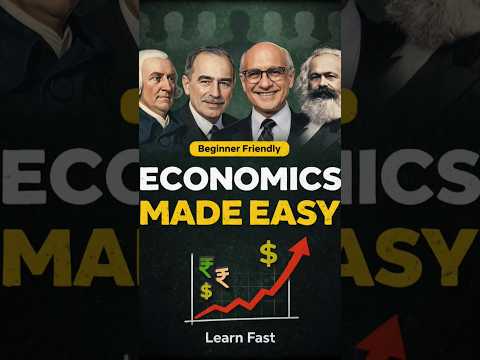
In some parts of the world, particularly in regions with significant socialist or communist traditions, Marxian economics continues to hold sway. A clip from our archive, "Economy Ka Sach 😳 | Capitalism vs Socialism (Hindi)#shortvideo#ytshorts", offers a glimpse into this phenomenon. While not explicitly focused on Marxian economics, the video highlights the ongoing debate between capitalism and socialism in India, reflecting the enduring relevance of these ideas.
Marxian economics has had a profound impact on music history as well. In fact, one of the most influential albums of all time, "The Velvet Underground & Nico", was heavily influenced by Marxist theory. The album's iconic cover art, featuring a banana peel, is often seen as a nod to Marx's concept of commodity fetishism. Additionally, the band's lyrics and music often reflected their Marxist sympathies, with songs like "All Tomorrow's Parties" exploring themes of alienation and social critique.
Despite its significance in music history, Marxian economics remains a relatively underappreciated school of thought among mainstream economists. However, as our archive demonstrates, there is growing interest in this area, particularly among students and scholars from non-Western backgrounds. By examining the key principles and applications of Marxian economics, viewers can gain a deeper understanding of the complexities of economic systems and the ongoing debates surrounding capitalism and socialism.
In conclusion, Marxian economics offers a unique perspective on the nature of economic systems, highlighting the importance of class relations and surplus value in shaping economic outcomes. With its roots in Marxist theory, this school of thought has had a profound impact on various economic systems around the world, from the Soviet Union to contemporary India. By exploring the key principles and applications of Marxian economics, viewers can develop a deeper appreciation for the complexities of economic systems and the ongoing debates surrounding capitalism and socialism.
Curated from public records and music databases.