0 views
Share this clip
The Investing Strategy That Quietly Beats Most Professionals
Know someone who'd love this clip?
Share it with friends and fellow fans.
Share this clip
Disclaimer: MarketVault is an educational video curation platform. Nothing on this site constitutes financial advice, investment advice, or a recommendation to buy or sell any asset. Always consult a qualified, regulated financial advisor before making investment decisions. Investing carries risk — you may lose money.
Know someone who'd love this clip?
Share it with friends and fellow fans.
Active investing tries to beat the market through research, stock selection, and professional management. Passive investing tracks a market index at a lower cost. But which strategy is better for long-term investors? In this video, we compare active funds and passive index funds, explain how investment fees compound over time, discuss benchmark selection, and show why recent fund performance does not always predict future results. You will also learn when active investing may make sense, how to use a core-and-satellite portfolio, and how to compare an active fund with a similar index fund after fees. Recent Morningstar research found that only 38 percent of active funds beat comparable passive funds in 2025 after fees, highlighting how difficult consistent outperformance can be. This video is for general education only and is not personal financial advice. Investment performance varies by market, fund category, time period, fees, taxes, and individual circumstances. active vs passive investing, index funds vs active funds, passive investing explained, active investing explained, best investment strategy, low fee index funds, fund fees explained, professional investors, stock market investing, long term investing, core satellite portfolio, investing for beginners, global investing strategy #PassiveInvesting #ActiveInvesting #IndexFunds #InvestingForBeginners #StockMarket #LongTermInvesting #PersonalFinance #InvestmentStrategy #FinancialEducation #PortfolioBuilding
Added
 1:06
1:06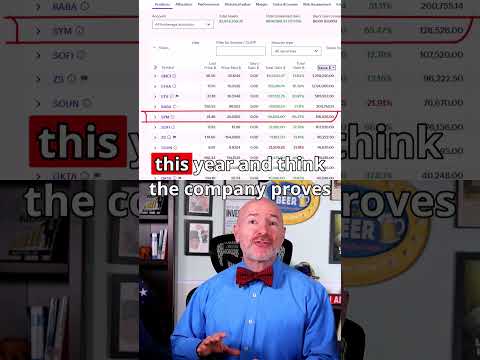 0:47
0:47Financial analyst
 29:53
29:53 6:22
6:22Financial analyst