About This Footage
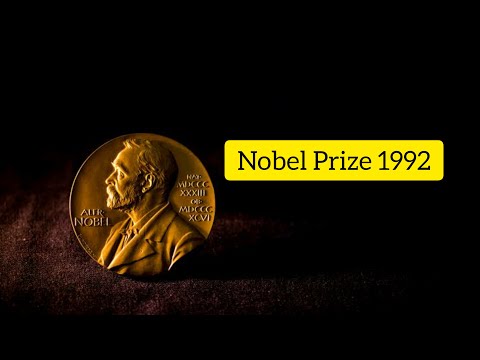
The footage of Gary Becker, as reviewed by James Heckman, is a treasure trove of insights into the mind of one of the most influential economists of the 20th century. Recorded in 2015, this 23:51 minute clip provides a unique glimpse into the thoughts and experiences of Becker, who was awarded the Nobel Memorial Prize in Economic Sciences in 1992.
What makes this footage so notable is the opportunity to hear directly from Becker himself about his work and its significance. As a leading figure in the Chicago school of economics, Becker's contributions to the field of economics are still widely studied and debated today. His work on human capital theory, which posits that investments in education and health can have long-term benefits for individuals and society, has had a lasting impact on economic thought.
The fact that this footage is presented as a "Tool Review" is also noteworthy. This format suggests that the clip was intended to provide a detailed analysis of Becker's work, rather than simply being a biographical sketch or interview. As such, it offers a unique perspective on Becker's methodology and approach to economics, which will be of particular interest to economists and students of economic theory.
The fact that James Heckman, another Nobel laureate and longtime colleague of Becker's, wrote the accompanying essay in the American Economic Review adds an extra layer of credibility and depth to the footage. Heckman's own work on econometrics has been instrumental in advancing our understanding of economic phenomena, and his assessment of Becker's contributions provides a valuable context for understanding the significance of this footage.
One of the most striking aspects of this clip is the opportunity to hear Becker discuss his own experiences as an economist. Born in 1930, Becker was part of a generation of economists who helped shape the field into its modern form. His work on human capital theory, which he developed in collaboration with other leading economists of the time, challenged conventional wisdom about the role of education and training in economic development.
Throughout the clip, Becker's passion for economics is evident as he discusses his own research and its implications for policy. His emphasis on the importance of understanding individual behavior and decision-making processes in shaping economic outcomes is particularly noteworthy. This approach, which has come to be known as "economic imperialism," has had a profound impact on fields such as sociology, politics, and law.
In conclusion, this footage of Gary Becker provides a rare opportunity for viewers to learn from one of the most influential economists of the 20th century. With its unique blend of biography, methodology, and policy implications, it is an essential resource for anyone interested in economic theory or the history of economics.
Curated from public records and music databases.