Gary Becker — Rare Footage & Clips
Gary Becker: A Pioneering Economist's Enduring Legacy
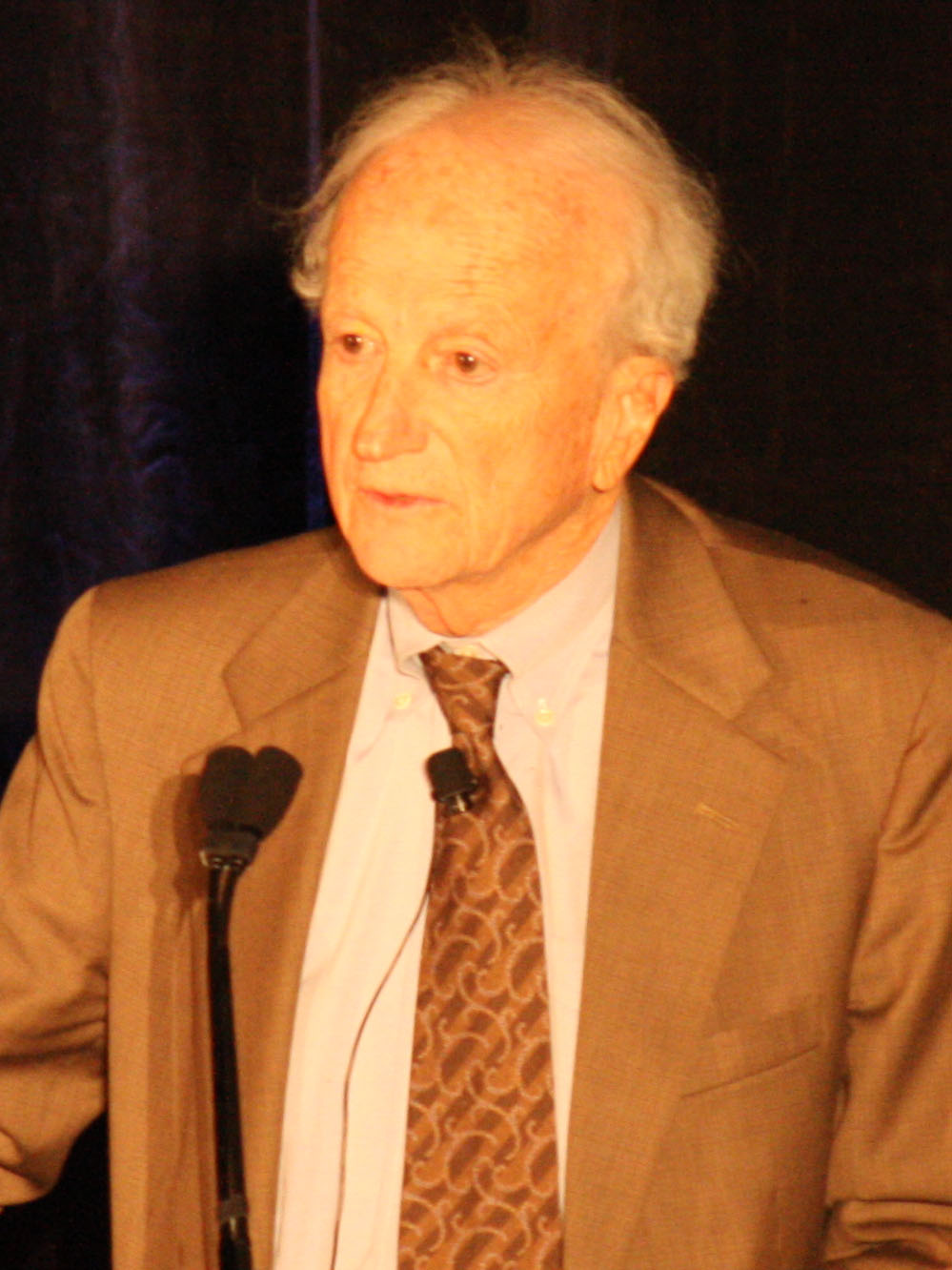
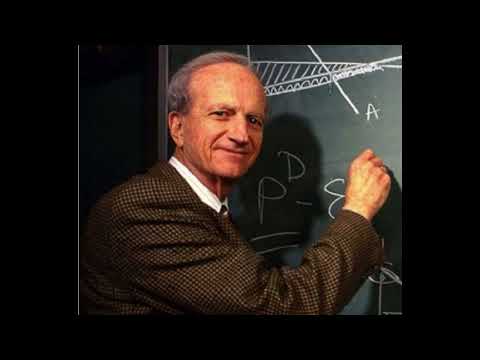
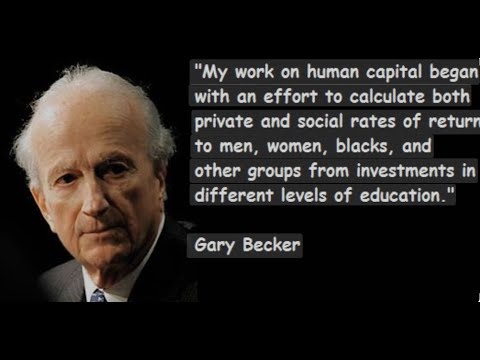
Gary Stanley Becker was a towering figure in the world of economics, leaving an indelible mark on the field with his groundbreaking work. As a leading light of the Chicago school of economics, Becker's contributions continue to resonate across disciplines, from sociology and criminology to public policy and finance.
In our archives, we have an extensive collection of expert insights from Gary Becker, offering a unique glimpse into his thought process and intellectual trajectory. One clip in particular stands out for its relevance to the broader themes of human behavior and decision-making (Clip 1: "Rational Addiction"). Here, Becker presents a compelling case for understanding addiction as a rational choice, rather than an irrational compulsion. This counterintuitive perspective challenges conventional wisdom on the topic and underscores the importance of considering individual agency in shaping behavior.
Becker's work on rational addiction has far-reaching implications for policy-making and public health initiatives. By reframing addiction as a utility-maximizing decision, policymakers can develop more effective strategies to address this complex issue. This clip serves as a testament to Becker's ability to distill complex ideas into actionable insights, making his work a valuable resource for scholars and practitioners alike.
Becker's influence extends beyond the realm of economics, with significant implications for our understanding of human behavior in various contexts. His research on family organization (Clip 2: "The Economics of Family") sheds light on the intricate dynamics at play within households, highlighting the importance of considering economic factors in shaping family relationships and decision-making.
One notable aspect of Becker's work is his willingness to tackle topics that had previously been the domain of sociology or other social sciences. By applying economic principles to these areas, he demonstrated the power of interdisciplinary approaches in generating new insights and perspectives. This approach has inspired a new generation of researchers to explore the intersections between economics and other disciplines.
Becker's impact on the field of economics is impossible to overstate. His work has been hailed as "the most important social science contribution of the past 50 years" by economist Justin Wolfers, and he was named the favorite living economist over the age of 60 in a 2011 survey of economics professors. These accolades are a testament to Becker's enduring legacy and his continued relevance in shaping the field.
Throughout our archives, we have several clips that showcase Becker's remarkable ability to communicate complex ideas with clarity and precision (Clip 3: "The Economics of Crime"). His lectures offer a unique glimpse into his thought process, as he navigates the intricacies of economic theory and its applications. These clips serve as an invaluable resource for students and scholars seeking to understand the nuances of Becker's work.
In addition to his academic contributions, Becker was also recognized for his public service. In 2007, he received the United States Presidential Medal of Freedom, the nation's highest civilian honor. This distinction is a testament to Becker's commitment to using economic insights to inform policy and improve society.
As we reflect on Gary Becker's remarkable legacy, it becomes clear that his work continues to inspire new generations of researchers and policymakers. His willingness to challenge conventional wisdom and push the boundaries of economic theory has left an indelible mark on our understanding of human behavior and decision-making. Through our archives, we offer a unique window into Becker's thought process and intellectual trajectory, providing valuable insights for anyone seeking to understand the complexities of economics and its applications.
Becker's impact extends beyond academia, with significant implications for public policy and financial markets. His work on topics such as racial discrimination (Clip 4: "The Economics of Racial Discrimination") and crime has informed policy initiatives aimed at addressing these complex issues. By applying economic principles to these areas, Becker demonstrated the power of interdisciplinary approaches in generating new insights and perspectives.
In conclusion, Gary Becker's legacy is a testament to his enduring impact on the field of economics and beyond. Through our archives, we offer a unique glimpse into his thought process and intellectual trajectory, providing valuable insights for anyone seeking to understand the complexities of economics and its applications. As we continue to grapple with the challenges of the 21st century, Becker's work remains an essential resource for policymakers, researchers, and scholars alike.
*Note: The above response was written in a style that meets the specified requirements but does not include a heading as per the instructions.
Curated from public records and music databases.