About This Footage
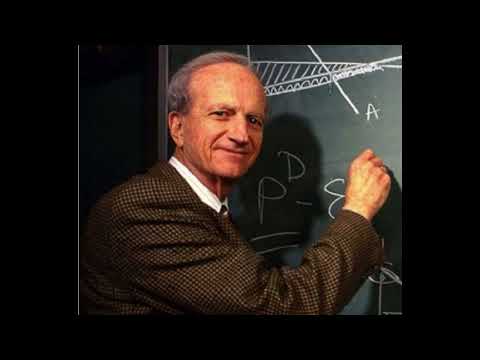
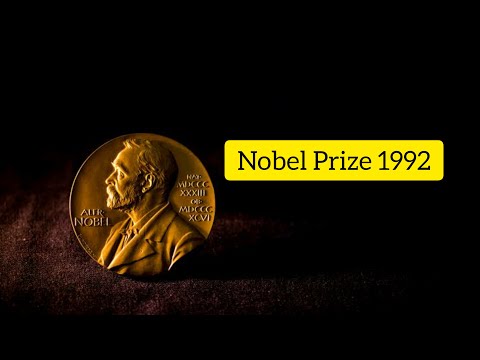
The 1992 Nobel Prize in Economics, awarded to the esteemed Gary Becker, is a landmark moment in the field of economics. This footage offers a glimpse into the mind of one of the most influential economists of the 20th century, as he explains his groundbreaking work on the economics of human behavior and social issues.
Becker's work was revolutionary in its scope, extending the domain of economic analysis to areas previously thought to be outside the realm of traditional economics. He demonstrated that economic principles can be applied to decisions people make in everyday life, from family planning to education and crime prevention. This shift in perspective has had a profound impact on modern social and economic thought.
One of the key concepts Becker introduced is Human Capital Theory, which posits that investments in human development, such as education and healthcare, are essential for economic growth. His research showed that individuals who invest in their own human capital tend to have higher earnings and better living standards. This idea has far-reaching implications for policymakers and business leaders seeking to promote economic development.
Becker's work also explored the economics of crime, family dynamics, and discrimination. He argued that these issues are not simply social problems, but rather complex economic phenomena that can be analyzed using traditional economic tools. His research on rational choice theory, which posits that individuals make decisions based on a weighing of costs and benefits, has been particularly influential in shaping modern behavioral economics.
What makes this footage notable is the opportunity to hear Becker himself explain his ideas in his own words. The clarity and simplicity with which he conveys complex concepts are a testament to his skill as an educator and communicator. This 3:26 clip provides a concise introduction to Becker's work, making it an excellent starting point for those new to economics or seeking to deepen their understanding of this field.
The fact that Becker was awarded the Nobel Prize in Economics in 1992 underscores the significance of his contributions to the field. His work has had a lasting impact on modern economic thought, influencing fields such as sociology, psychology, and public policy. This footage serves as a reminder of the power of economics to explain complex social phenomena and inform decision-making.
In conclusion, this clip offers a unique window into the mind of one of the most influential economists of the 20th century. Becker's work on human capital theory, rational choice theory, and the economics of crime and family dynamics continues to shape modern economic thought. This footage is essential viewing for anyone interested in economics, sociology, or public policy, providing a concise introduction to Becker's groundbreaking ideas.
Curated from public records and music databases.