About This Footage
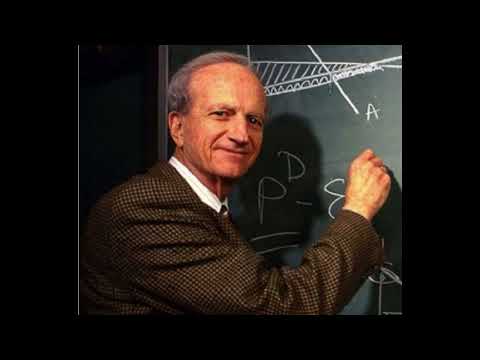
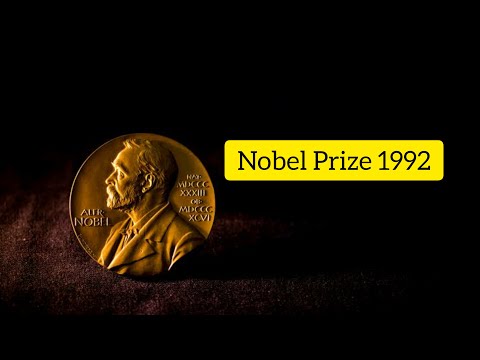
This 0:56 clip from 1992, featuring Gary Becker, is a seminal moment in the history of economics. The Nobel Memorial Prize winner's radical idea that people make decisions by weighing costs and benefits in everyday life, not just in business, has had a profound impact on our understanding of human behavior.
The footage showcases Becker's groundbreaking work, which challenged the conventional wisdom of economics at the time. He expanded the discipline beyond mere markets and money, incorporating sociology and psychology to create a more comprehensive framework for understanding decision-making. By applying economic principles to personal choices, Becker demonstrated that even seemingly irrational or emotional decisions can be rationalized through the lens of incentives.
One of the most striking aspects of Becker's work is its emphasis on human capital. He argued that investing time in skills and education increases one's value, leading to higher future income. This idea has far-reaching implications for individuals, policymakers, and businesses alike. It highlights the importance of investing in oneself, whether through formal education or vocational training, as a means of increasing earning potential.
Becker's concept of incentives also sheds light on why people engage in certain behaviors, such as committing crimes. He posits that individuals weigh the costs and benefits of their actions, often unconsciously, to determine whether they are worth taking. This perspective has significant implications for criminology, law enforcement, and public policy.
The clip's brevity belies its significance, offering a glimpse into Becker's thought-provoking ideas that continue to influence economists and policymakers today. His work has been instrumental in shaping the field of behavioral economics, which seeks to understand how psychological, social, and emotional factors interact with economic incentives to shape decision-making.
Becker's legacy extends beyond his academic contributions. He has inspired a new generation of thinkers to apply economic principles to everyday life, encouraging individuals to think critically about their choices and optimize their lives accordingly. The clip serves as a reminder that economics is not just about markets and money but also about people and their decisions.
In an era where the boundaries between economics and other social sciences continue to blur, Becker's work remains remarkably prescient. His ideas on incentives, human capital, and decision-making continue to resonate with scholars, policymakers, and individuals seeking to make informed choices in their personal and professional lives. This clip is a testament to Becker's enduring impact on our understanding of human behavior and the economy.
Curated from public records and music databases.