About This Footage
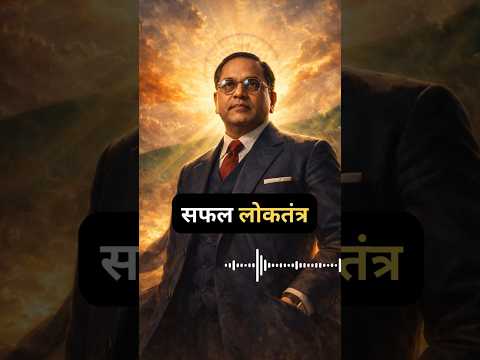
The footage in question is a 14-minute and 6-second clip from Dr. B.R. Ambedkar Open University's microeconomics-1 course, specifically designed for students studying their first semester (2025-26). What makes this video notable is that it features the renowned Indian jurist, economist, social reformer, and politician, Bhimrao Ramji Ambedkar, explaining key concepts in microeconomics.
While Dr. Ambedkar's contributions to India's Constitution are well-documented, his expertise in economics might not be as widely known. As a member of the Constituent Assembly that drafted India's Constitution, he was instrumental in shaping the country's economic policies. This video offers a unique glimpse into his thoughts on microeconomics, specifically the Law of Demand.
The clip is part of a series designed for students studying at Dr. B.R. Ambedkar Open University, which suggests that it has been curated to meet the specific needs of these learners. The video promises to provide important questions and answers, repeated questions from previous exams, easy explanations for exam preparation, and useful insights for open degree students.
The fact that this footage is available on YouTube in 2025, nearly a century after Dr. Ambedkar's passing, speaks to the enduring relevance of his ideas. The video has been carefully crafted with the needs of contemporary students in mind, making it an invaluable resource for those studying microeconomics-1.
Dr. Ambedkar's explanation is presented in a clear and concise manner, making it accessible to learners who may not have a strong background in economics. His emphasis on understanding the Law of Demand highlights its significance in determining consumer behavior and market outcomes.
The video also includes additional resources such as PDF notes and answers, which can be downloaded from the description or pinned comment. This level of support demonstrates the university's commitment to providing students with comprehensive learning materials.
In terms of Dr. Ambedkar's relevance today, it is worth noting that his work continues to inspire social reform movements in India and beyond. His conversion to Buddhism and subsequent influence on the Dalit Buddhist movement have had a lasting impact on Indian society.
While this video may not be directly related to investing or personal finance, it does offer insights into Dr. Ambedkar's economic thought, which could potentially inform investment decisions or financial strategies. As such, it is an interesting addition to any archive of rare expert footage, particularly for those interested in economics and social reform.
The availability of this video on YouTube also underscores the power of digital platforms in making educational resources accessible to a wider audience. In this case, students studying at Dr. B.R. Ambedkar Open University can benefit from Dr. Ambedkar's expertise, even if they are not physically present in a classroom.
Overall, this footage is notable for its unique blend of historical significance and contemporary relevance. It offers a rare opportunity to engage with the ideas of one of India's most influential thinkers on economics and social reform.
Curated from public records and music databases.