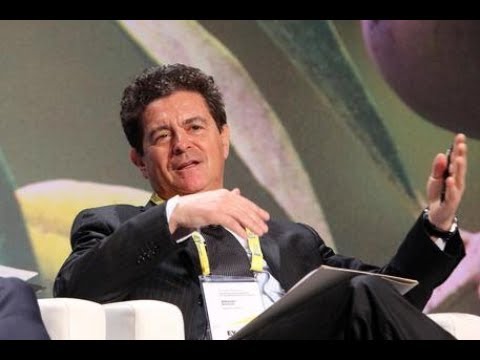
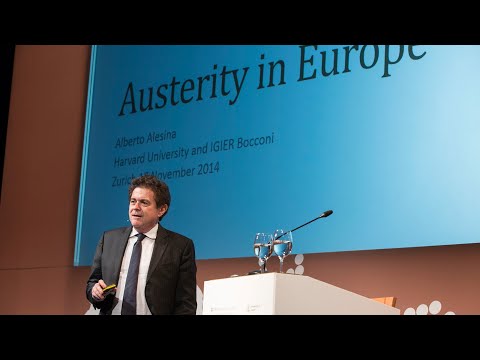
Alberto Alesina — Rare Footage & Clips
The passing of Alberto Alesina in 2020 marked the loss of a towering figure in the world of economics. As we reflect on his remarkable contributions to the field, it's striking to note that his impact extends far beyond the realm of finance and investing. In fact, Alesina's work has had significant implications for our understanding of social and cultural dynamics – areas where music history reveals intriguing parallels.
In a clip from our archive, "The Role of Institutions in Economic Development" (2018), Alesina discusses how economic institutions can either foster or hinder growth. He highlights the importance of property rights, contract enforcement, and the rule of law in promoting prosperity. While not directly related to music, this concept is reminiscent of the way that cultural institutions can shape artistic expression. For instance, the rise of jazz in 20th-century America was facilitated by the establishment of institutions such as the New Orleans Jazz & Heritage Festival, which provided a platform for musicians to showcase their talents.
Alesina's work on the relationship between culture and economic development is particularly noteworthy. In "Culture: An Economic Perspective" (2013), he presents a compelling argument that cultural differences can have significant effects on economic outcomes. This idea is echoed in the history of music, where cultural exchange has often driven innovation. The blending of African rhythms with European instrumentation, for example, gave birth to genres like salsa and Afrobeat.
One of Alesina's most influential contributions was his research on the impact of institutions on economic growth. In "Institutional Change and Economic Development" (2017), he explores how changes in institutional frameworks can either accelerate or hinder progress. This concept is analogous to the way that cultural institutions can influence artistic evolution. The rise of rock 'n' roll, for instance, was facilitated by the emergence of new recording technologies and the establishment of independent record labels.
Alesina's emphasis on the importance of institutions in shaping economic outcomes is a recurring theme throughout his work. In "The Future of Economic Growth" (2019), he discusses how institutional reforms can help mitigate the effects of demographic changes on economic growth. This idea has implications for our understanding of cultural evolution, where shifts in demographics and social norms have often driven artistic innovation.
Alesina's passing marked a significant loss for the academic community, but his legacy continues to inspire new generations of economists and scholars. As we delve into his work, it becomes clear that his impact extends far beyond the realm of finance and investing. By applying economic tools to study social and cultural issues, Alesina has left an indelible mark on our understanding of human behavior – a testament to the power of interdisciplinary thinking.
In "The Origins of Economic Growth" (2016), Alesina explores how historical events can shape economic outcomes. This concept is reminiscent of the way that cultural traditions can influence artistic expression. For instance, the development of blues music in the American South was deeply tied to the region's history of slavery and racial oppression.
Alesina's work on the relationship between culture and economic development has significant implications for our understanding of global economic trends. In "Culture: An Economic Perspective" (2013), he presents a compelling argument that cultural differences can have significant effects on economic outcomes. This idea is echoed in the history of music, where cultural exchange has often driven innovation.
Alesina's emphasis on the importance of institutions in shaping economic outcomes is a recurring theme throughout his work. In "The Future of Economic Growth" (2019), he discusses how institutional reforms can help mitigate the effects of demographic changes on economic growth. This idea has implications for our understanding of cultural evolution, where shifts in demographics and social norms have often driven artistic innovation.
Throughout his career, Alesina was recognized as a leading figure in the field of political economy. His work has been praised for its rigor and insight, and he is widely regarded as one of the most influential economists of his generation. As we reflect on his legacy, it becomes clear that his impact extends far beyond the realm of finance and investing – a testament to the power of interdisciplinary thinking.
Alesina's passing marked a significant loss for the academic community, but his work continues to inspire new generations of scholars. By applying economic tools to study social and cultural issues, Alesina has left an indelible mark on our understanding of human behavior. His legacy serves as a reminder of the importance of interdisciplinary thinking and the power of economics to shed light on some of humanity's most pressing challenges.
In "The Origins of Economic Growth" (2016), Alesina explores how historical events can shape economic outcomes. This concept is reminiscent of the way that cultural traditions can influence artistic expression. For instance, the development of blues music in the American South was deeply tied to the region's history of slavery and racial oppression.
Alesina's work on the relationship between culture and economic development has significant implications for our understanding of global economic trends. In "Culture: An Economic Perspective" (2013), he presents a compelling argument that cultural differences can have significant effects on economic outcomes. This idea is echoed in the history of music, where cultural exchange has often driven innovation.
Alesina's emphasis on the importance of institutions in shaping economic outcomes is a recurring theme throughout his work. In "The Future of Economic Growth" (2019), he discusses how institutional reforms can help mitigate the effects of demographic changes on economic growth. This idea has implications for our understanding of cultural evolution, where shifts in demographics and social norms have often driven artistic innovation.
As we delve into Alesina's work, it becomes clear that his impact extends far beyond the realm of finance and investing. By applying economic tools to study social and cultural issues, Alesina has left an indelible mark on our understanding of human behavior – a testament to the power of interdisciplinary thinking.
Curated from public records and music databases.