MarketVault
BrowseExpertsTopicsTimelineMapSubmit

Disclaimer: MarketVault is an educational video curation platform. Nothing on this site constitutes financial advice, investment advice, or a recommendation to buy or sell any asset. Always consult a qualified, regulated financial advisor before making investment decisions. Investing carries risk — you may lose money.

MarketVault

Curated financial insights from the world's top experts. Invest in your knowledge.

BrowseExpertsTopicsDecadesSubmit a ClipAboutContactEditorial PolicyArticles

© 2026 MarketVault. All footage remains the property of its original creators.

Privacy PolicyTerms of UseSupport

Developed with love as a personal project by Jamie McDonnell

ui-ux-design.comai-consultancy.company
Book Summary : Why Nation Fails — MarketVault
PreviousUse arrow keysNext
0 views
Share this clip

Book Summary : Why Nation Fails

Daron Acemoglu
Book Summaryyoutube

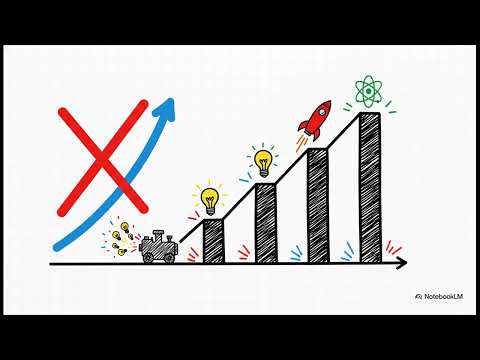
Authors : Daron Acemoglu and James A. Robinson A nation's economic success or failure is determined entirely by its man-made political and economic institutions, rather than its geography, culture, or the ignorance of its leaders. Societies thrive under "inclusive institutions" that distribute political power broadly, enforce the rule of law, and secure property rights, which collectively encourage individuals to invest and innovate. Conversely, nations fail under "extractive institutions" where a small ruling elite concentrates power to strip wealth from the general public, actively crushing the innovation and "creative destruction" that might threaten their control. While these extractive regimes can sometimes force short-term growth by reallocating resources, long-term prosperity is unsustainable without political pluralism. Ultimately, these systems create self-reinforcing loops, trapping poor nations in continuous cycles of exploitation while rich nations protect their wealth through strong democratic checks


Know someone who'd love this clip?

Share it with friends and fellow fans.

Share this clip

Keep Exploring

All ExpertsAll TopicsAll DecadesBrowse by Format

About Daron Acemoglu

Kamer Daron Acemoğlu (born September 3, 1967) is a Turkish-American economist of Armenian descent who has taught at the Massachusetts Institute of Technology since 1993, where he is currently the Elizabeth and James Killian Professor of Economics, and was named an Institute Professor at MIT in 2019. His primary research fields include political economy, development economics, and labor economics. He received the John Bates Clark Medal in 2005, and the Nobel Prize in Economics in 2024. Acemoglu ...

More about Daron Acemoglu→

Added 11 Jul 2026

More from Daron Acemoglu

View all →
Thumbnail for Nobel Prize-Winning Economist Offers a Unified Theory of Trump by Daron Acemoglu10:21

Nobel Prize-Winning Economist Offers a Unified Theory of Trump

Daron Acemoglu

Thumbnail for किन असफल हुन्छन् राष्ट्रहरू? | Why Nations Fail | Daron Acemoglu & James  Robinson | नेपाली अडियोबुक by Daron Acemoglu36:58

किन असफल हुन्छन् राष्ट्रहरू? | Why Nations Fail | Daron Acemoglu & James Robinson | नेपाली अडियोबुक

Daron Acemoglu

Thumbnail for Engines of Economic Growth Totally Explain by Daron Acemoglu8:51

Engines of Economic Growth Totally Explain

Daron Acemoglu

Thumbnail for The Impact of AI on US Productivity with Nick Bloom | Markus Academy | Ep. 159 by Daron Acemoglu57:26

The Impact of AI on US Productivity with Nick Bloom | Markus Academy | Ep. 159

Daron Acemoglu

2020s

More Book Summary Clips

View all →
Thumbnail for (PDF) Essentials of Corporate Finance - 10th Edition - Stephen Ross0:40

(PDF) Essentials of Corporate Finance - 10th Edition - Stephen Ross

Book Summary
Thumbnail for [Ross 10] Chapter 10 Making Capital Investment Decisions7:23

[Ross 10] Chapter 10 Making Capital Investment Decisions

Book Summary
Thumbnail for [Ross 9] Chapter 09 NET PRESENT VALUE AND OTHER INVESTMENT CRITERIA8:50

[Ross 9] Chapter 09 NET PRESENT VALUE AND OTHER INVESTMENT CRITERIA

Book Summary
Thumbnail for Index Funds vs Active Management - Beat the Market!0:47

Index Funds vs Active Management - Beat the Market!

Book Summary